David T. Gies
David T. Gies is a renowned scholar of Spanish literature and culture, particularly known for his work on 18th-century Spanish literature. He has published extensively and served as a professor at the University of Virginia.
Books
This list of books are ONLY the books that have been ranked on the lists that are aggregated on this site. This is not a comprehensive list of all books by this author.
-
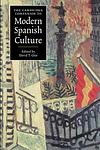
1. The Cambridge Companion To Modern Spanish Culture
This comprehensive volume offers an insightful exploration into the multifaceted nature of Spanish culture from the late 19th century to the present day. It delves into the dynamic interplay of historical, political, and social influences that have shaped modern Spain, examining key cultural expressions such as literature, film, art, and architecture. Through contributions from a diverse group of scholars, the book provides a nuanced understanding of Spain's regional diversity, the impact of the Franco regime, and the country's transition to democracy, highlighting the vibrant and evolving cultural landscape of contemporary Spain.
-
2. Anne Frank Remembered
The Story of the Woman Who Helped to Hide the Frank Family

This poignant memoir offers a deeply personal account of the life and legacy of Anne Frank, as seen through the eyes of Miep Gies, one of the brave individuals who helped hide the Frank family during the Nazi occupation of the Netherlands. Through her vivid recollections, the narrative provides an intimate glimpse into the daily struggles and small triumphs of those in hiding, while also highlighting the courage and compassion of those who risked their lives to protect them. The story serves as a powerful reminder of the enduring impact of Anne's diary and the human spirit's resilience in the face of unimaginable adversity.
-
3. Life In A Medieval Village
None
This insightful exploration delves into the everyday lives of villagers during the medieval period, painting a vivid picture of their social structures, economic activities, and cultural practices. It examines the intricate web of relationships that defined village life, from the feudal obligations to the communal bonds that fostered cooperation and resilience. Through detailed descriptions and historical anecdotes, the narrative captures the essence of rural existence, highlighting the challenges and triumphs faced by these communities as they navigated the complexities of medieval society.
Purchase from Bookshop.org -
4. Life In A Medieval Castle
This comprehensive exploration delves into the intricacies of life within the formidable walls of a medieval castle, offering readers a vivid portrayal of the daily routines, social structures, and cultural practices that defined this era. Through detailed descriptions and historical insights, the narrative unveils the roles and responsibilities of the castle's inhabitants, from the noble lords and ladies to the diligent servants and skilled craftsmen. The book paints a rich tapestry of medieval society, highlighting the architectural marvels, defensive strategies, and the vibrant yet challenging existence that unfolded within these stone fortresses.
-
-
6. Leonard Of Pisa And The New Mathematics Of The Middle Ages
A concise intellectual biography of Leonardo of Pisa (Fibonacci) that traces his travels across the Mediterranean, his encounter with Hindu–Arabic numerals and practical arithmetic, and his effort to synthesize and disseminate those methods for merchants and scholars; it situates his seminal work in its commercial and scholarly contexts, examines the problems and algorithms he presented (from commercial calculation to the famous rabbit problem), and follows how these new techniques slowly spread through medieval Europe to transform calculation, commerce, and mathematical practice.
-
-
8. Daily Life In Medieval Times
A concise, accessible survey of everyday life in medieval Europe that examines how ordinary people — peasants, artisans, merchants, nobles and clergy — lived, worked and interacted from village and manor to town and castle; topics include family life, food, clothing, housing, labor and the agricultural calendar, as well as trade, craft guilds, urban growth, religion, education, law, medicine and popular customs and festivals. The narrative emphasizes both routines and seasonal rhythms and the social, economic and technological changes that shaped daily experience across different regions and classes, using illustrations and primary sources to bring details of material culture and popular belief to life.
-
9. Women In The Middle Ages
This book offers a concise survey of the lives, roles, and representations of women in medieval Europe, tracing variations by class, region, and century. It examines legal status, marriage and family structures, work and economic activities, religious life including convents and female mysticism, and the political influence of noblewomen and queens, while drawing on a wide range of primary sources and recent scholarship to show both continuities and changes in women’s experiences. The narrative highlights how social, economic, and cultural forces shaped gender expectations and opportunities, and it emphasizes diversity among women rather than a single, monolithic experience.
-
10. Marriage And The Family In The Middle Ages
A concise survey of how marriage and family life were organized across medieval Europe, examining legal, religious and social forces that shaped courtship, consent, dowry and inheritance; it traces differences between classes and regions, the role of the Church in defining marriage as both contract and sacrament, patterns of household composition and kinship, and changing expectations for gender, sexuality and child rearing. Using documentary and literary evidence, the work situates practices such as arranged marriages, age at marriage, illegitimacy and widowhood in their economic and demographic contexts, showing how family strategies responded to landholding, labor needs and social status. Overall it argues that medieval family structures were dynamic and diverse, shaped by local custom, law and religious reform rather than by a single uniform model.
-
11. The Knight In History
A survey of medieval knighthood that traces how mounted warriors evolved into a distinct social class and a powerful cultural ideal, examining their training, arms and armor, tactics, tournaments, legal and economic status, codes of chivalry and religious obligations, and portrayals in literature and art; drawing on chronicles, letters, laws and material evidence to bring individual knights and institutions to life and to explain how changing warfare and social structures gradually transformed and ultimately eroded the traditional knightly role.
-
12. Cathedral, Forge, And Waterwheel
Technology and Invention in the Middle Ages
This book traces how medieval Europe’s technological and economic transformation between roughly 1000 and 1500 was driven less by isolated inventors than by a dense web of institutions and practices—cathedral-building campaigns, crafts and guilds, water-powered mills and forges, urban markets, and monastic and civic patronage—that organized labor, disseminated skills, and created demand for improvement. It argues that incremental, often incremental and rule-bound innovations in metallurgy, machining, textiles, and energy use were amplified by regional networks, entrepreneurial households, and legal and social frameworks that encouraged specialization, investment, and the diffusion of techniques. By linking material change to social structures, the study reframes medieval technological progress as an interactive, cumulative process that laid important groundwork for later economic development.