David Berry
Books
This list of books are ONLY the books that have been ranked on the lists that are aggregated on this site. This is not a comprehensive list of all books by this author.
-
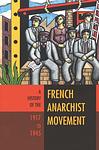
1. A History Of The French Anarchist Movement, 1917 1945
The Lost Generation
This comprehensive study delves into the evolution of the French anarchist movement during the tumultuous years between 1917 and 1945, a period marked by global upheaval and transformation. It explores the ideological shifts, internal dynamics, and external influences that shaped the movement, highlighting the challenges faced by anarchists in maintaining their principles amidst the rise of fascism, the impact of the Russian Revolution, and the devastation of World War II. Through detailed analysis, the narrative uncovers the resilience and adaptability of anarchist thought and action, offering insights into the broader socio-political landscape of early 20th-century France.
-
2. Digital Humanities
Knowledge and Critique in a Digital Age

A concise, critical overview of the emerging field that traces its historical roots, methodological practices, and key debates while examining how computational techniques reshape humanities research and scholarly knowledge. It explores the politics and labor of digital infrastructures, tensions between tool-building and interpretation, and institutional pressures such as neoliberalism, arguing for reflective, interdisciplinary engagement with code, data and platforms and calling attention to ethical concerns like access, preservation, and the social impacts of algorithmic knowledge production.
-
3. New Aesthetic, New Anxieties
This book examines the emergence of a distinctly digital visual sensibility—where pixelation, glitches, machine vision and networked imagery intersect—and argues that these aesthetic shifts reveal and intensify contemporary anxieties about automation, surveillance, authorship and the changing boundary between human and machine perception. Drawing on art criticism, media theory and cultural examples, it shows how new forms of image-making and algorithmic representation both reflect social and political fears (about labor, control and identity) and actively reshape how we imagine technological futures and creative possibility.
-
4. Postdigital Aesthetics
A theoretical and practical examination of aesthetic practice in the ‘post-digital’ era, arguing that digital technologies are no longer novel but are entangled with material, social and political life; it shows how artists and designers work with computation, craft, glitch, interfaces, ecology and labor to produce hybrid, situated forms that challenge myths of seamlessness and technological neutrality, and it develops conceptual tools for reading the aesthetics of algorithms, material waste, and embodied interaction while urging critical, reflexive design and engagement with technological systems.
Purchase from Bookshop.org -
5. Critical Theory And The Digital
A rigorous application of critical theory to contemporary digital life, this book examines how digital technologies reshape culture, labor, knowledge and politics by accelerating commodification, surveillance, algorithmic governance and platform capitalism. Drawing on traditions from the Frankfurt School through poststructuralist and Marxist thought, it traces historical continuities and novel formations—datafication, attention economies, automation and algorithmic bias—and shows how these dynamics reconfigure the public sphere, subjectivity and democratic possibility. Combining conceptual analysis with contemporary examples, it argues for retooling critical theory to address the distinctive power relations of the digital and outlines normative resources and practical interventions for resisting domination and imagining more equitable, democratic digital futures.
Purchase from Bookshop.org -
6. Copy, Rip, Burn
The book traces the emergence and political stakes of copyleft and open-source movements, showing how debates over freedom, ownership, and community reshaped software development and cultural production. It examines ideological tensions between free-software purists and open-source pragmatists, analyzes licensing regimes and legal strategies used to govern code and creative works, and explores how these practices interact with market forces and corporate interests. Drawing on historical cases and close readings of licenses and communities, it argues that copyleft and open-source are not merely technical choices but political projects that reconfigure authorship, property, and the public sphere in the digital age.
Purchase from Bookshop.org -
7. The Philosophy Of Software
Code and Mediation in the Digital Age
It treats software as a philosophical object rather than merely a technical instrument, arguing that code and algorithms shape how we know, act, and organize society. The book examines the historical emergence and conceptual foundations of software, exploring its metaphysical and epistemic status, its aesthetic and rhetorical dimensions, and the political and ethical consequences of algorithmic systems. Across archival history, theory and case studies it calls for a critical, reflective account of how software mediates perception, labor, governance and culture.
Purchase from Bookshop.org -
8. Understanding Digital Humanities
This concise, critical introduction explains how computational methods and humanistic inquiry intersect, tracing the field’s development and core concepts while surveying practical techniques—digitization, text encoding, distant reading, network analysis, visualization—and the infrastructures that support them. It situates these practices within broader debates about labor, ethics, preservation, authority, and pedagogy, arguing for a theoretically informed, reflective engagement with digital technologies and outlining the institutional challenges and opportunities they create for scholars and cultural institutions.
Purchase from Bookshop.org