Mikhail Bakhtin
Mikhail Bakhtin was a Russian philosopher and literary critic, known for his work on dialogism, the carnivalesque, and the concept of heteroglossia. His ideas have had a significant impact on literary theory, linguistics, and cultural studies.
Books
This list of books are ONLY the books that have been ranked on the lists that are aggregated on this site. This is not a comprehensive list of all books by this author.
-
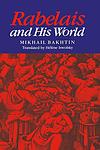
1. Rabelais And His World
This seminal work delves into the vibrant and chaotic world of the French Renaissance through the lens of a celebrated satirical writer. It explores the concept of the "carnivalesque," a literary mode that subverts and liberates the assumptions of the dominant style or atmosphere through humor and chaos. The book examines how the grotesque and the absurd in literature reflect the social and political upheavals of the time, offering a profound analysis of the interplay between language, culture, and power. Through a detailed study of the interplay between the official and unofficial cultures, it reveals how laughter and the body become tools of resistance and renewal.
-
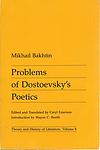
2. Problems Of Dostoevsky's Poetics
Theory and History of Literature, Volume 8
This insightful work delves into the narrative techniques and philosophical underpinnings of a renowned Russian novelist's literary creations. It explores the concept of "polyphony," where multiple voices and perspectives coexist within a single narrative, allowing characters to express their own independent consciousness. The analysis highlights how this narrative style challenges traditional monologic storytelling, offering a dynamic interplay of ideas and dialogues that reflect the complexity of human experience. The book also examines the ethical and existential dimensions of the novelist's work, emphasizing the importance of dialogue and interaction in understanding the human condition.
-
3. The Dialogic Imagination
Four Essays

This influential work delves into the nature of the novel as a literary form, exploring its unique ability to incorporate a multitude of voices and perspectives. It introduces key concepts such as heteroglossia, dialogism, and the chronotope, which highlight the dynamic interplay of different social languages and temporal-spatial relationships within texts. By examining the novel's capacity to reflect and shape cultural and historical contexts, the book underscores the genre's role as a living, evolving dialogue that transcends singular viewpoints, offering a rich tapestry of human experience and thought.
Purchase from Bookshop.org -
4. Det Dialogiska Ordet
This influential work explores the concept of dialogism, emphasizing the importance of dialogue in understanding language and meaning. It argues that language is inherently social and dynamic, shaped by the interaction between speakers and listeners. The text delves into the idea that meaning is not fixed but emerges through the interplay of different voices and perspectives, challenging traditional notions of linguistic and literary analysis. By highlighting the multiplicity of voices and the ongoing negotiation of meaning, it offers a profound insight into the complexities of communication and interpretation.
-
5. Rabelais Och Skrattets Historia
The History of Laughter
This insightful work delves into the cultural and historical significance of laughter and the grotesque in the context of the Renaissance period, particularly through the lens of the French writer François Rabelais. It explores how humor and carnival traditions served as a form of social commentary and resistance against established norms and hierarchies. The text examines the liberating power of laughter, highlighting its role in challenging authority and fostering a sense of communal identity and renewal. Through a detailed analysis, it reveals the transformative potential of humor in shaping human consciousness and societal structures.
Purchase from Bookshop.org -
6. Författaren Och Hjälten I Den Estetiska Verksamheten
This work delves into the intricate relationship between the creator and the protagonist within the realm of aesthetic activity, exploring how authors craft their characters and narratives to reflect broader philosophical and cultural dialogues. Through a nuanced examination of the interplay between the writer's intentions and the hero's journey, it highlights the dynamic process of artistic creation, where the boundaries between reality and fiction blur, and the roles of both author and character become intertwined in a complex dance of meaning and interpretation.
-
7. Dostojevskijs Poetik
This insightful work delves into the complex narrative techniques and philosophical underpinnings of a renowned Russian novelist's oeuvre, emphasizing the concept of "polyphony" where multiple voices and perspectives coexist and interact within the text. It explores how the author's characters are not mere extensions of the author's voice but are instead independent entities with their own distinct ideologies and worldviews. The analysis highlights the dynamic interplay of dialogue and the profound existential themes that challenge traditional literary conventions, offering a fresh perspective on the nature of truth and the human condition.
-
8. Творчество Франсуа Рабле и народная культура средневековья и Ренессанса
народная культура Средневековья и Ренессанса
A scholarly study that reads a major Renaissance satirist’s work against the background of medieval and Renaissance popular culture, showing how carnival laughter, grotesque realism, and bodily imagery are rooted in folk festivals, parody, and communal ritual and function as a subversive, regenerative force; the book argues that the emphasis on the open, bodily, and comic in popular forms inverts official hierarchies, creates a dialogic collective voice that undermines authority, and reshapes literary language and social life by celebrating renewal, bodily becoming, and the creative power of popular laughter.