Klaus Schwab
Klaus Schwab is a German engineer and economist best known as the founder and executive chairman of the World Economic Forum, an international organization that brings together business, political, academic, and other leaders to discuss global issues.
Books
This list of books are ONLY the books that have been ranked on the lists that are aggregated on this site. This is not a comprehensive list of all books by this author.
-
1. Fourth Industrial Revolution
Shaping the Future of the Fourth Industrial Revolution
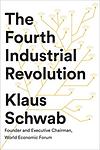
The book explores the transformative impact of emerging technologies on society, economy, and industry, heralding a new era characterized by the fusion of digital, biological, and physical innovations. It delves into the profound changes brought about by advancements such as artificial intelligence, robotics, the Internet of Things, and biotechnology, emphasizing the need for stakeholders to collaborate in shaping a future that is inclusive and sustainable. The narrative underscores the importance of adapting to these rapid changes to harness their potential benefits while addressing the ethical and societal challenges they present.
-
2. The Fourth Industrial Revolution
Shaping the Future of the Fourth Industrial Revolution
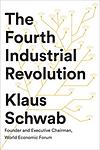
This insightful book delves into the transformative impact of the Fourth Industrial Revolution, characterized by a fusion of technologies blurring the lines between the physical, digital, and biological spheres. It explores how advancements in artificial intelligence, robotics, the Internet of Things, and biotechnology are reshaping industries, economies, and societies at an unprecedented pace. The narrative emphasizes the need for proactive collaboration among governments, businesses, and individuals to harness these changes for the greater good, ensuring that technological progress leads to inclusive growth and addresses global challenges.
Purchase from Bookshop.org -
3. Covid 19
The Great Reset

This book delves into the profound impact of the COVID-19 pandemic on global economies, societies, and individual lives, exploring how the crisis has accelerated existing trends and introduced new challenges. It examines the potential for a "Great Reset," where stakeholders from various sectors collaborate to build a more inclusive, resilient, and sustainable world. The narrative emphasizes the importance of reimagining capitalism, governance, and societal norms to address systemic inequalities and environmental concerns, urging readers to consider the pandemic as a catalyst for transformative change.
Purchase from Bookshop.org