Lima Barreto
Lima Barreto was a Brazilian writer and journalist, known for his works that critiqued the social and political issues of early 20th-century Brazil. His most famous novel, 'Triste Fim de Policarpo Quaresma', is a satirical portrayal of Brazilian nationalism and bureaucracy.
Books
This list of books are ONLY the books that have been ranked on the lists that are aggregated on this site. This is not a comprehensive list of all books by this author.
-
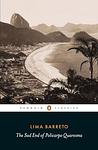
1. The Sad End Of Policarpo Quaresma
Triste Fim de Policarpo Quaresma
Set in early 20th-century Brazil, this poignant narrative follows the idealistic and patriotic Policarpo Quaresma, whose unwavering belief in his country's potential leads him on a journey of disillusionment and tragedy. Quaresma's fervent nationalism and attempts to implement radical reforms, such as promoting the indigenous language Tupi as the national language, are met with ridicule and resistance from society. As he becomes increasingly isolated and misunderstood, his dreams unravel, culminating in a heartbreaking conclusion that reflects the harsh realities of a nation struggling with its identity and progress.
The 8560th Greatest Book of All TimePurchase from Bookshop.org or Amazon -
2. O Triste Fim De Policarpo Quaresma

A satirical and poignant portrait of an idealistic, obsessively patriotic civil servant whose devotion to his country—expressed in lofty experiments with language, agriculture and civic reform—brings him into escalating conflict with indifferent institutions, petty officials and social hypocrisy, leading from naive enthusiasm through public humiliation and radical disillusionment to a tragic downfall that exposes the failures of early republican Brazil.
Purchase from Bookshop.org -
Purchase from Bookshop.org
-
4. O Homem Que Sabia Javanês
A história acompanha um homem simples que, movido por vaidade e desejo de ascensão social, finge conhecer a língua javanesa para impressionar a elite; com artifícios e discurso pomposo consegue enganar muitos, e a situação revela, com ironia e humor, a hipocrisia, a superficialidade e as ambições vazias das classes altas, oferecendo uma crítica mordaz às pretensões culturais e às desigualdades sociais.