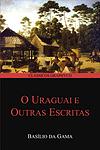
Basílio Da Gama
José Basílio da Gama was a Portuguese poet known for his epic poem 'O Uraguai', which is a significant work in Brazilian literature. He was a member of the Society of Jesus and his works often reflect his experiences and the socio-political context of his time.
Books
This list of books are ONLY the books that have been ranked on the lists that are aggregated on this site. This is not a comprehensive list of all books by this author.
-
1. O Uraguai
Poema Épico
Set against the backdrop of the Guarani War in the 18th century, this epic poem vividly portrays the conflict between the indigenous Guarani people and the Portuguese colonizers. Through a blend of historical narrative and poetic imagination, the story explores themes of cultural clash, resistance, and the tragic consequences of colonial expansion. The narrative follows the journey of the Guarani leader, who valiantly defends his people's land and way of life, while also delving into the complex interactions between the native tribes and the European forces. The work is celebrated for its rich imagery and its poignant reflection on the loss of innocence and the inevitable march of progress.
The 8968th Greatest Book of All TimePurchase from Amazon -
2. A Cicatriz

Set against the backdrop of colonial Brazil, this compelling narrative delves into the complexities of identity, power, and cultural conflict. The story follows a young protagonist who navigates the turbulent waters of a society marked by its colonial past and the scars it leaves behind. Through vivid descriptions and rich character development, the tale explores themes of resilience, redemption, and the enduring human spirit, offering a poignant reflection on the struggles and triumphs of a nation in transition.
-
3. A Journal Of The First Voyage Of Vasco Da Gama
A first-hand account of the 1497–1499 expedition that opened a sea route from Europe to India, recounting the departure from Lisbon, the long passage down the African coast and around the Cape of Good Hope, stops at East African ports (including Mozambique, Mombasa and Malindi) where local pilots were hired, the crossing to and arrival at Calicut, the diplomatic and commercial encounters with rulers and merchants, the hardships of navigation, illness and scarce provisions, and the voyage’s broader commercial and imperial implications.