Milton Sanford Mayer
Milton Sanford Mayer was an American journalist and educator, best known for his work as a reporter and his book 'They Thought They Were Free: The Germans, 1933-45', which explores the lives of ordinary Germans under Nazi rule.
Books
This list of books are ONLY the books that have been ranked on the lists that are aggregated on this site. This is not a comprehensive list of all books by this author.
-
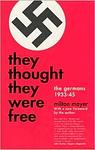
1. They Thought They Were Free
The Germans, 1933-45
This thought-provoking work delves into the lives of ten ordinary German citizens during the Nazi regime, exploring how they came to accept and even embrace the oppressive political climate. Through personal interviews and reflections, the narrative reveals the subtle yet powerful ways in which totalitarianism can infiltrate everyday life, leading individuals to rationalize and normalize the erosion of freedoms. The book serves as a cautionary tale about the dangers of complacency and the importance of vigilance in safeguarding democratic values.
-
2. Robert Maynard Hutchins
A Memoir

This insightful biography delves into the life and legacy of a transformative educational leader who reshaped the landscape of American higher education. Through a blend of intellectual rigor and visionary thinking, he championed the Great Books curriculum and advocated for a liberal arts education that emphasized critical thinking over rote memorization. His tenure at the University of Chicago was marked by bold reforms and a commitment to academic freedom, leaving an indelible mark on the institution and inspiring future generations of educators and students alike.
Purchase from Bookshop.org -
3. Eles Pensavam Que Eram Livres Os Alemães 1933 1945
The Germans, 1933-45
This compelling narrative delves into the lives of ordinary German citizens during the Nazi regime, exploring how they perceived their own freedom amidst the rise of totalitarianism. Through a series of interviews and personal accounts, the book reveals the gradual and often unnoticed erosion of civil liberties, as individuals grappled with the moral and ethical dilemmas posed by the regime's oppressive policies. It offers a poignant reflection on the ease with which democratic societies can slip into authoritarianism, highlighting the importance of vigilance and the human capacity for denial in the face of growing tyranny.