Andreas Malm
Andreas Malm is a Swedish author and academic known for his work on climate change and political ecology. He is a senior lecturer in human ecology at Lund University and has written extensively on the intersections of capitalism and environmental issues.
Books
This list of books are ONLY the books that have been ranked on the lists that are aggregated on this site. This is not a comprehensive list of all books by this author.
-
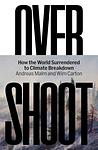
1. Overshoot
Climate Change and the Crisis of Capitalism
In this compelling exploration of the climate crisis, the book delves into the intricate relationship between capitalism and environmental degradation, arguing that the relentless pursuit of profit has led humanity to exceed the planet's ecological limits. It examines the historical roots of industrialization and its impact on the environment, while advocating for radical systemic change to avert further ecological collapse. Through a critical lens, the narrative challenges conventional approaches to climate action and emphasizes the urgent need for collective resistance against the forces driving ecological overshoot.
Purchase from Bookshop.org -
2. How To Blow Up A Pipeline
Learning to Fight in a World on Fire
This provocative work challenges the conventional wisdom of non-violent activism in the fight against climate change, arguing that more radical and direct actions are necessary to combat the escalating environmental crisis. It explores the history and effectiveness of sabotage as a tool for social change, urging readers to reconsider the boundaries of acceptable resistance. By examining past movements and the urgency of the current climate emergency, the book calls for a reevaluation of tactics to disrupt the fossil fuel industry and accelerate the transition to sustainable energy.
Purchase from Bookshop.org -
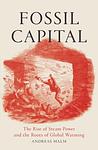
3. Fossil Capital
The Rise of Steam Power and the Roots of Global Warming
This book delves into the historical relationship between capitalism and the fossil fuel industry, tracing the roots of climate change back to the Industrial Revolution. It argues that the shift from water to steam power was not merely a technological advancement but a strategic move to consolidate control over labor and production. By examining the socio-economic forces that favored coal over renewable energy sources, the narrative highlights how the entrenchment of fossil fuels in economic systems has perpetuated environmental degradation and climate crises. The work challenges readers to reconsider the intertwined nature of economic growth and environmental exploitation.
Purchase from Bookshop.org -
4. The Progress Of This Storm
Nature and Society in a Warming World

This thought-provoking work delves into the intricate relationship between climate change and capitalism, challenging the prevailing narratives that suggest technological advancements alone can solve the environmental crisis. It critiques the notion of "green capitalism" and argues for a more radical transformation of societal structures to address the root causes of ecological degradation. By examining historical and contemporary examples, the book underscores the urgency of collective action and systemic change, advocating for a shift away from profit-driven motives towards a more sustainable and equitable future.
Purchase from Bookshop.org -
5. Archaeology And Buildings
Materiality, Power, and the Past
The book delves into the intricate relationship between archaeology and the built environment, exploring how historical structures and ruins offer insights into past societies and their interactions with the natural world. It examines the methodologies used in uncovering and interpreting architectural remnants, highlighting the significance of these findings in understanding cultural evolution and technological advancements. Through a series of case studies, the narrative underscores the importance of preserving these historical edifices, not only as cultural heritage but also as vital sources of knowledge about human history and development.
-
6. Toward An Archaeology Of Buildings
This book delves into the intricate relationship between architecture and the environment, exploring how buildings have historically been shaped by and have influenced ecological systems. It examines the evolution of architectural practices through an archaeological lens, highlighting the impact of human construction on natural landscapes and vice versa. The narrative weaves together historical insights with contemporary challenges, urging a reevaluation of how modern architecture can harmonize with ecological imperatives, ultimately advocating for a sustainable future where buildings coexist symbiotically with the environment.
-
7. Corona, Climate, Chronic Emergency
War Communism in the Twenty-First Century
This thought-provoking work delves into the interconnected crises of the COVID-19 pandemic, climate change, and the broader systemic issues that exacerbate these emergencies. It argues that the capitalist system, with its relentless pursuit of profit and exploitation of natural resources, is at the heart of these global challenges. The book calls for a radical transformation of societal structures, advocating for a shift towards sustainable and equitable practices to address the root causes of these crises and prevent future catastrophes. Through a critical lens, it examines the urgent need for collective action and systemic change to ensure a just and resilient future.
Purchase from Bookshop.org -
8. Eco Sabotage