Hans Küng
Hans Küng was a Swiss Catholic priest, theologian, and prolific author known for his work in ecumenical theology and his efforts to promote dialogue among world religions. He was a prominent critic of the Catholic Church's doctrine of papal infallibility and was influential in the development of modern Catholic thought.
Books
This list of books are ONLY the books that have been ranked on the lists that are aggregated on this site. This is not a comprehensive list of all books by this author.
-
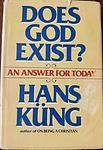
1. Does God Exist?
An Answer for Today
In this thought-provoking exploration, the author delves into the age-old question of God's existence, weaving together philosophical, theological, and scientific perspectives. Through a meticulous examination of historical arguments and contemporary debates, the narrative challenges readers to reconsider preconceived notions about faith and reason. The book offers a balanced discourse, presenting both theistic and atheistic viewpoints, ultimately encouraging a deeper understanding of the complexities surrounding belief in a higher power. It serves as a comprehensive guide for those seeking to navigate the intricate landscape of spirituality and rational inquiry.
The 5502nd Greatest Book of All TimePurchase from Bookshop.org or Amazon -
2. Kung Food

In this delightful culinary adventure, readers are whisked away on a journey that blends the art of cooking with the wisdom of martial arts. The narrative follows a passionate chef who discovers that the principles of discipline, balance, and harmony found in martial arts can be seamlessly integrated into the kitchen. Through a series of humorous and enlightening encounters, the protagonist learns to master not only the culinary arts but also the art of life itself, finding that the true essence of both lies in the perfect fusion of mind, body, and spirit.
-
3. El Islam
Geschichte, Gegenwart und Zukunft
A compact, sympathetic survey that traces Islam’s origins, core beliefs and practices, major theological schools and mystical traditions, and its historical cultural achievements, then turns to the religion’s encounter with modernity—political, social and intellectual challenges, the rise of fundamentalism, and debates about reform. The author situates Islamic teachings and law in historical context, compares Islamic and Christian perspectives, and argues for informed interfaith dialogue and mutual understanding as the best route to overcome conflict and to enable constructive change within Muslim societies.
Purchase from Bookshop.org