Rudolf Steiner
Rudolf Steiner was an Austrian philosopher, social reformer, architect, and esotericist. He founded anthroposophy, a spiritual movement that emphasizes the role of the human spirit in the development of humanity. Steiner is also known for his work in education, particularly the Waldorf schools, and for his contributions to biodynamic agriculture.
Books
This list of books are ONLY the books that have been ranked on the lists that are aggregated on this site. This is not a comprehensive list of all books by this author.
-
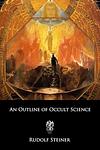
1. An Outline Of Occult Science
Theosophy and Anthroposophy
This work delves into the intricate realms of spiritual science, offering a comprehensive exploration of the unseen dimensions that influence the material world. It presents a detailed framework of esoteric knowledge, encompassing the evolution of humanity, the nature of the soul, and the cosmic forces at play in shaping human destiny. Through a synthesis of mystical insights and philosophical discourse, the text seeks to bridge the gap between the physical and spiritual, guiding readers towards a deeper understanding of their place within the universe.
The 3637th Greatest Book of All TimePurchase from Bookshop.org or Amazon -
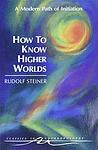
2. How To Know Higher Worlds
A Modern Path of Initiation
This enlightening guide serves as a roadmap for individuals seeking spiritual growth and self-discovery, offering practical exercises and meditative practices to awaken higher consciousness. It emphasizes the importance of inner development, moral integrity, and the cultivation of virtues as essential steps toward accessing higher realms of knowledge and understanding. Through a blend of philosophical insights and esoteric teachings, readers are encouraged to embark on a transformative journey that transcends the material world, fostering a deeper connection with the spiritual dimensions of existence.
-
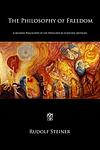
3. The Philosophy Of Freedom
A Modern Philosophy of Life Developed by Scientific Methods
This profound exploration delves into the nature of human freedom, examining the interplay between free will and determinism. It presents the idea that true freedom is achieved through the conscious development of one's inner life and the alignment of personal actions with ethical intuitions. The work challenges readers to transcend mere sensory perception and engage in a deeper understanding of reality, advocating for a path of self-awareness and moral responsibility as the foundation for authentic freedom.
Purchase from Bookshop.org -
4. Filosofie Der Vrijheid

It argues that genuine human freedom arises when thinking becomes an independent, creative activity that produces moral intuitions guiding the will rather than mere obedience to external rules or instinct; through disciplined, imaginative cognition grounded in clear perception, individuals can form inner, comprehended ideals that make their actions truly free. The work develops an ethic of individual responsibility—ethical individualism—by exploring how knowing and willing unite in conscious decision, and it examines the psychological and social implications of people acting from self-determined moral insight.
-
5. Nine Lectures On Bees
Through a series of nine lectures the speaker combines careful natural observation with spiritual-scientific interpretation to explore bees’ anatomy, social organization, and life cycles, arguing that their behaviors reflect higher formative forces and a special relationship to plant life and cosmic rhythms. He addresses practical beekeeping topics—swarming, hive management, honey and wax handling—while interweaving metaphysical ideas about bee consciousness, etheric and astral influences, and the insects’ role in human and planetary development. The result is a blend of hands-on guidance, ethical reflection, and philosophical speculation intended to deepen appreciation for bees as both biological creatures and participants in larger spiritual processes.
Purchase from Bookshop.org -
6. From Buddha To Christ
This work examines the spiritual transition linking the Buddhist impulse of renunciation and inner wisdom to the later Christian revelation, portraying Gautama’s life and teaching as a preparatory stage for a radically different impulse centered on the Mystery of Golgotha and the power of love and redemption. From a spiritual-scientific standpoint it contrasts Buddhist emphasis on detachment, self-knowledge and karmic law with the Christian emphasis on sacrificial love that alters humanity’s destiny, situating both movements within the larger arc of cultural and soul evolution and offering esoteric and practical guidance for individual inner development.
-
7. Stages Of Higher Knowledge
A concise guide to systematic inner development that presents moral preparation, disciplined thinking, and specific meditative exercises as the foundation for awakening higher perception. It describes a progressive sequence of stages—purification of the soul, mastery of feeling and will, and the cultivation of imaginative, inspirational, and intuitive capacities—while offering practical techniques, warnings about common pitfalls, and ethical responsibilities for the aspirant. Framed within a broader cosmological outlook, the work aims to lead the reader from intellectual understanding to direct, responsible experience of supersensible realities.
Purchase from Bookshop.org -
8. Knowledge Of The Higher Worlds And Its Attainment, By Rudolf Steiner, [1947],
A practical guide to developing higher spiritual perception and inner freedom, this work outlines the moral preparation, daily disciplines, and specific exercises needed to cultivate concentration, meditation and the successive soul capacities often called imagination, inspiration and intuition. It explains the nature of the physical, etheric and astral realms and the risks and karmic responsibilities that accompany clairvoyant development, offering step-by-step techniques for breath control, waking and sleeping awareness, and the strengthening of will and ethical character. Written for earnest seekers, it emphasizes gradual progress, inner balance between thinking, feeling and willing, and the necessity of clear moral intent to safely attain higher worlds of consciousness.
Purchase from Bookshop.org -
9. The Way Of Initiation Or, How To Attain Knowledge Of The Higher Worlds
How To Attain Knowledge Of The Higher Worlds
Purchase from Bookshop.org -
Purchase from Bookshop.org
-
11. What Is Biodynamics?
A concise introduction to a holistic approach to agriculture that views the farm as a living organism, combining practical techniques for composting, soil fertility, integration of plants and animals, and special biodynamic preparations (such as horn-based and plant-based mixtures) with guidance on timing activities according to lunar and planetary rhythms; grounded in a spiritual-scientific viewpoint, it stresses careful observation, working with living forces and cosmic influences to foster biodiversity, resilience, and ethical renewal of farming practice.
Purchase from Bookshop.org