Scott Nearing
Scott Nearing was an American radical economist, educator, writer, and advocate for simple living. He was known for his works on social justice and sustainable living, and he, along with his wife Helen, became a prominent figure in the back-to-the-land movement.
Books
This list of books are ONLY the books that have been ranked on the lists that are aggregated on this site. This is not a comprehensive list of all books by this author.
-
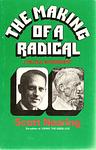
1. The Making Of A Radical
A Political Autobiography
This memoir chronicles the transformative journey of an individual who evolves from a conventional academic into a fervent advocate for social justice and economic equality. Through a series of personal reflections and experiences, the narrative delves into the author's disillusionment with traditional institutions and the subsequent embrace of radical ideologies. The story captures the essence of a life dedicated to challenging societal norms and advocating for change, highlighting the struggles and triumphs encountered along the path to becoming a committed activist.
-
2. Living The Good Life
How to Live Sanely and Simply in a Troubled World

This book is a seminal guide to sustainable living, chronicling the journey of a couple who left the hustle and bustle of urban life to embrace a simpler, self-sufficient lifestyle in rural Vermont. It offers practical insights into organic farming, home construction, and community building, all while advocating for a harmonious relationship with nature. Through their experiences, the authors provide a blueprint for those seeking to live more intentionally, emphasizing the importance of hard work, frugality, and environmental stewardship in achieving a fulfilling and balanced life.
-
3. Loving And Leaving The Good Life
A reflective memoir that recounts decades of practicing self-sufficiency, simple living, and social commitment; it mixes practical homesteading advice—gardening, food preservation, and building—with personal anecdotes and philosophical reflections on voluntary simplicity, critiques of consumer culture, and the reasons and emotions behind leaving a long-held homestead as life circumstances changed.