Rem Koolhaas
Rem Koolhaas is a renowned Dutch architect, architectural theorist, urbanist, and professor. He is the founding partner of the Office for Metropolitan Architecture (OMA) and is known for his innovative and influential designs, as well as his writings on contemporary architecture and urbanism.
Books
This list of books are ONLY the books that have been ranked on the lists that are aggregated on this site. This is not a comprehensive list of all books by this author.
-
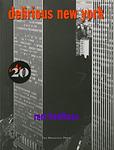
1. Delirious New York
A Retroactive Manifesto for Manhattan
This book explores the architectural and urban development of New York City, presenting it as a "culture of congestion" where the chaotic and vibrant energy of the metropolis is celebrated. Through a series of essays and illustrations, it delves into the city's history, examining the interplay between architecture, urban planning, and the social dynamics that have shaped its unique skyline. The narrative highlights how the city's grid system, skyscrapers, and public spaces reflect the ambitions and contradictions of modern urban life, offering a manifesto for understanding the complexities of urban environments.
The 6356th Greatest Book of All TimePurchase from Bookshop.org or Amazon -
2. Rem Koolhaas
Elements of Architecture

This book offers an insightful exploration into the innovative and often provocative world of contemporary architecture, as seen through the eyes of one of its most influential figures. It delves into the creative processes, philosophical underpinnings, and groundbreaking projects that have defined his career, providing readers with a comprehensive understanding of his unique approach to design and urbanism. Through a blend of personal anecdotes, theoretical musings, and detailed project analyses, the book paints a vivid portrait of an architect who continually challenges conventional norms and redefines the boundaries of architectural practice.
-
3. Harvard Design School Guide To Shopping
Project on the City 2
This insightful exploration delves into the intricate relationship between shopping and urban development, examining how consumer culture shapes architectural and spatial design. Through a series of essays, case studies, and visual analyses, the book investigates the evolution of shopping from traditional marketplaces to modern retail environments, highlighting its impact on cities and societies. It challenges conventional perceptions of shopping as merely a commercial activity, presenting it as a significant cultural and social phenomenon that influences the way we live and interact with our surroundings.
-
4. S, M, L, Xl
Small, Medium, Large, Extra-Large
This influential work explores the relationship between architecture and urbanism through a collection of essays, manifestos, and design projects. It delves into the complexities of modern cities and the impact of scale on architectural practice, examining how buildings and urban environments interact across different dimensions. The book challenges conventional architectural norms, offering a provocative and insightful analysis of the built environment, while also reflecting on the cultural, social, and economic forces that shape our cities. Through a blend of theory and practice, it provides a comprehensive and critical perspective on the evolving nature of architecture in the contemporary world.
-
5. Preservation Is Overtaking Us
This thought-provoking work delves into the evolving relationship between architecture and preservation, examining how the increasing emphasis on conserving historical structures is reshaping contemporary design practices. Through a series of essays and dialogues, the book explores the tension between maintaining the past and embracing the future, questioning whether the preservation movement is stifling innovation or enriching our cultural landscape. It challenges readers to reconsider the role of architecture in a world where the past is ever-present, urging a balance between honoring history and fostering creativity.
Purchase from Bookshop.org -
6. Junkspace With Running Room
A sharp, ironic examination of contemporary built environments that argues modern architecture has given rise to a sprawling, accidental condition—an undifferentiated, disposable ‘junkspace’ generated by consumerism, corporate branding and relentless infrastructural layering. The text dissects how shopping malls, airports, office complexes and other hybrids erode traditional notions of form, meaning and public realm, producing spaces defined by circulation, signage and temporary program rather than coherent design. Through aphoristic observations and polemic, it explores the cultural and spatial consequences of this condition and the ways it reshapes human behavior and urban life.