Jonathan Crary
Jonathan Crary is an art critic and essayist known for his work on the history of modern visual culture and the effects of technology on perception.
Books
This list of books are ONLY the books that have been ranked on the lists that are aggregated on this site. This is not a comprehensive list of all books by this author.
-
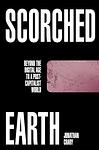
1. Scorched Earth
Beyond the Digital Age to a Post-Capitalist World
In this thought-provoking exploration, the author delves into the pervasive impact of digital capitalism on our world, examining how it has led to the erosion of social bonds, environmental degradation, and the commodification of human experience. The narrative critiques the relentless pursuit of profit and efficiency, highlighting the detrimental effects on communities and the planet. Through a blend of historical analysis and contemporary observations, the book challenges readers to reconsider the trajectory of modern society and envision alternative futures that prioritize sustainability, equity, and genuine human connection.
Purchase from Bookshop.org -
2. Techniques Of The Observer
On Vision and Modernity in the Nineteenth Century

This insightful work delves into the historical transformation of visual perception and its profound impact on modernity. It explores how the 19th-century technological advancements and philosophical shifts redefined the act of seeing, moving away from classical notions of observation towards a more subjective and fragmented experience. By examining the interplay between emerging visual technologies and the observer's role, the book highlights the dynamic relationship between vision, knowledge, and power, offering a nuanced understanding of how these changes have shaped contemporary visual culture.
Purchase from Bookshop.org -
3. 24/7
Late Capitalism and the Ends of Sleep
This thought-provoking exploration delves into the relentless pace of modern life, where the boundaries between day and night, work and rest, have blurred into a continuous cycle of activity. It critiques the pervasive influence of capitalism and technology, which have transformed time into a commodity, eroding the natural rhythms of human existence. The narrative examines the societal and psychological impacts of a world that never sleeps, urging readers to reflect on the implications of a 24/7 culture on individual well-being and collective consciousness.
Purchase from Bookshop.org