Zeev Sternhell
Zeev Sternhell was an Israeli historian, political scientist, and one of the world's leading experts on fascism. He was known for his work on the history of political ideologies and his analysis of the roots of fascism in Europe.
Books
This list of books are ONLY the books that have been ranked on the lists that are aggregated on this site. This is not a comprehensive list of all books by this author.
-
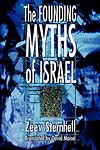
1. The Founding Myths Of Israel
Nationalism, Socialism, and the Making of the Jewish State
This book critically examines the ideological foundations of Zionism and the creation of the State of Israel, challenging the conventional narratives that have shaped Israeli national identity. It delves into the historical and political contexts that influenced the formation of these myths, arguing that they were constructed to legitimize the state's existence and policies. Through a detailed analysis of political movements and historical events, the book seeks to unravel the complexities and contradictions inherent in the national myths, offering a nuanced perspective on the interplay between ideology and reality in the shaping of modern Israel.
Purchase from Bookshop.org -
2. The Anti Enlightenment Tradition
The Politics of Reaction

This book delves into the intellectual movement that opposed the Enlightenment's ideals of reason, progress, and universalism, tracing its roots from the late 18th century through to the 20th century. It explores how this counter-Enlightenment tradition, with its emphasis on emotion, tradition, and community, has influenced various political ideologies, including nationalism and fascism. Through a detailed analysis of key thinkers and their works, the book reveals how these ideas have persisted and evolved, challenging the dominant narratives of modernity and shaping the cultural and political landscapes of Europe.
Purchase from Bookshop.org -
3. Routes Of War
The World of Movement in the French Revolution
In this insightful exploration, the author delves into the intricate interplay of ideology and conflict, examining how intellectual currents and political movements have historically fueled warfare. By tracing the evolution of ideas and their impact on societies, the narrative reveals the profound influence of cultural and philosophical shifts on the nature and conduct of war. Through a meticulous analysis of historical events and ideological transformations, the work offers a compelling perspective on the underlying forces that have shaped the course of human conflict.