Emmanuel Levinas
Emmanuel Levinas was a French philosopher of Lithuanian Jewish ancestry known for his work related to ethics, existentialism, and phenomenology. He is best known for his ideas on the ethics of the Other and the primacy of ethics in philosophy.
Books
This list of books are ONLY the books that have been ranked on the lists that are aggregated on this site. This is not a comprehensive list of all books by this author.
-
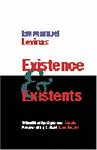
1. Existence And Existents
This philosophical work delves into the intricate relationship between existence and the entities that inhabit it, exploring the nature of being and the fundamental structures that underpin human experience. It challenges traditional metaphysical concepts by emphasizing the primacy of existence over essence, highlighting the dynamic and often ambiguous nature of reality. Through a series of profound reflections, it examines the ethical implications of existence, urging readers to consider the responsibility and interconnectedness inherent in the act of existing. The text serves as a foundational exploration of existential themes, paving the way for a deeper understanding of the self and the other.
Purchase from Bookshop.org -
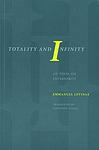
2. Totality And Infinity
An Essay on Exteriority
This philosophical work delves into the nature of human relationships and the ethical implications of encountering "the Other." It challenges traditional Western philosophy's emphasis on totality and knowledge, proposing instead that true understanding arises from the face-to-face encounter with another person, which transcends mere comprehension and demands an ethical response. The text explores themes of infinity, alterity, and the primacy of ethics over ontology, suggesting that the self is fundamentally shaped by its responsibility to others, thus redefining the essence of human existence.
Purchase from Bookshop.org -
3. Time And The Other

In this profound philosophical exploration, the text delves into the intricate relationship between time and the concept of the "Other," challenging traditional metaphysical notions. It examines how the presence of the Other disrupts the continuity of time, introducing a sense of infinity and ethical responsibility that transcends mere chronological existence. Through a series of reflective essays, the narrative invites readers to reconsider the nature of human experience, emphasizing the importance of interpersonal relationships and the ethical implications of encountering the Other in a temporal context.