Albert Camus
Albert Camus was a French philosopher, author, and journalist. He is best known for his contributions to the philosophy of absurdism and for works such as 'The Stranger' and 'The Plague'. Camus was awarded the Nobel Prize in Literature in 1957.
Books
This list of books are ONLY the books that have been ranked on the lists that are aggregated on this site. This is not a comprehensive list of all books by this author.
-
1. The Stranger
Set in the sun-drenched landscapes of Algeria, this existential novel follows the life of an emotionally detached and indifferent man who becomes embroiled in a series of events leading to a senseless murder. Through his trial and eventual conviction, the narrative explores themes of absurdity, the meaning of life, and the societal expectations of morality. The protagonist's passive acceptance of his fate and his refusal to conform to conventional emotional responses challenge the reader to question the nature of existence and the human condition.
The 23rd Greatest Book of All TimePurchase from Bookshop.org or Amazon -
2. The Plague
The novel is set in the Algerian city of Oran during the 1940s, where a deadly plague sweeps through, causing the city to be quarantined. The story is told through the eyes of a doctor who witnesses the horror and suffering caused by the disease. The narrative explores themes of human resilience, solidarity, and the struggle against the absurdities of life. It also examines how individuals and society respond to death and disease, creating a profound meditation on the nature of existence and human endurance.
The 76th Greatest Book of All TimePurchase from Bookshop.org or Amazon -
3. The Myth of Sisyphus
And Other Essays
This book is a philosophical essay that explores the concept of absurdity, and how individuals should respond to life's inherent meaninglessness. It posits that life is essentially absurd due to the conflict between our desire for understanding and the chaotic, indifferent universe. The author argues that the only proper response to this absurdity is to live life to its fullest, embracing and rebelling against the absurdity, rather than resorting to suicide or turning to religion or philosophy for false comfort. The story of Sisyphus, condemned to eternally roll a boulder up a hill only for it to roll back down, is used as a metaphor for the human condition.
The 408th Greatest Book of All TimePurchase from Bookshop.org or Amazon -
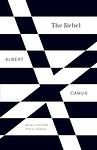
4. The Rebel
An Essay on Man in Revolt
"The Rebel" is a philosophical exploration of rebellion and revolution. It dissects the nature and origins of rebellion, arguing that it arises from a basic human refusal to accept injustice. The book delves into the many forms rebellion can take, from personal revolt to political revolution, and examines the consequences and ethics of each. The author also critically evaluates the rebellious attitudes of various historical figures and movements, highlighting the potential for rebellion to either affirm or destroy human dignity.
The 616th Greatest Book of All TimePurchase from Bookshop.org or Amazon -
5. The Fall
The novel is narrated by a successful Parisian lawyer who has moved to Amsterdam after a crisis of conscience. He confesses his past misdeeds and moral failings to a stranger in a bar, revealing his growing self-loathing and disillusionment with the hypocrisy and shallowness of his former life. His confessions are a reflection on guilt, innocence, and the nature of human existence. The protagonist's fall from grace serves as a critique of modern society's moral failings and the individual's struggle with guilt and redemption.
The 796th Greatest Book of All TimePurchase from Bookshop.org or Amazon -
6. The First Man
"The First Man" is a semi-autobiographical novel that explores the life of a man named Jacques Cormery, who grows up in poverty in Algeria, loses his father at a young age, and struggles with his relationship with his illiterate mother. The narrative delves into themes of identity, memory, and the human condition, as Jacques attempts to understand his past and his father's life, while simultaneously grappling with the harsh realities of colonial Algeria. Despite the challenges, Jacques remains determined to rise above his circumstances through education and personal growth.
The 3588th Greatest Book of All TimePurchase from Bookshop.org or Amazon -
7. Notebooks
"Notebooks" is a collection of personal writings that offer a glimpse into the inner life of its author, a prominent 20th-century philosopher and writer. Spanning several decades, the entries range from philosophical reflections, personal observations, to literary musings and sketches of ideas that would later become central to his major works. The notebooks reveal the author's rigorous intellectual discipline, his commitment to moral and political issues of his time, and his relentless search for meaning in a world he often viewed as absurd. They provide an intimate look at his development as a thinker and a writer, showcasing the evolution of his ideas and the breadth of his interests.
The 6177th Greatest Book of All TimePurchase from Bookshop.org or Amazon -
8. Lyrical And Critical Essays
This collection of essays offers a profound exploration of the human condition, blending personal reflections with philosophical musings. The author delves into themes of existentialism, absurdism, and the search for meaning, drawing from his own experiences and observations of the world. Through a lyrical and evocative prose style, the essays traverse topics such as love, nature, art, and the complexities of modern life, inviting readers to ponder the intricate balance between beauty and despair. The work serves as both a celebration of life's fleeting moments and a critical examination of the societal structures that shape our existence.
The 8607th Greatest Book of All TimePurchase from Bookshop.org or Amazon -
9. Nuptials

"Nuptials" is a lyrical essay collection that delves into the author's profound reflections on the Mediterranean landscape and the joy of living. Through vivid and evocative prose, the essays explore the author's sensory experiences and emotional responses to the sun, sea, and nature of Algiers and its surroundings. The work celebrates the physical beauty of the world, the intense pleasures of the body, and the connection between the individual and the natural environment, all while contemplating the themes of existence, happiness, and mortality. The author's meditations on the simple yet profound aspects of life offer a philosophical perspective on the human condition and the search for meaning within the splendor of the natural world.
The 11241st Greatest Book of All TimePurchase from Bookshop.org -
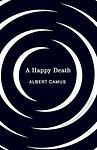
10. A Happy Death
The narrative follows the existential journey of Patrice Mersault, a disenchanted young man who embarks on a quest for happiness and fulfillment. Set against the backdrop of a post-war Europe, Mersault grapples with the meaning of life, the inevitability of death, and the pursuit of personal contentment. Through a series of encounters and introspective reflections, he seeks to transcend the mundane constraints of society, ultimately confronting the paradox of achieving a "happy death" by living a life true to oneself. The story delves into themes of existentialism, freedom, and the human condition, offering a profound exploration of what it means to live authentically.
The 15844th Greatest Book of All Time -
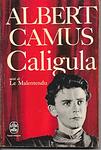
11. Caligula
A Play in Four Acts
The play explores the descent into madness of the Roman Emperor Caligula, who, after the death of his beloved sister Drusilla, becomes obsessed with the absurdity and meaninglessness of life. He embarks on a tyrannical reign marked by cruelty and irrationality, seeking to challenge the limits of power and the human condition. Through his actions, Caligula exposes the hypocrisy and moral decay of those around him, ultimately leading to his own downfall. The work delves into themes of existentialism, the search for freedom, and the consequences of absolute power.
The 16780th Greatest Book of All Time -
12. Tujec / Kuga
Set in the Algerian city of Oran, the narrative unfolds as a mysterious plague descends upon the town, leading to a quarantine that isolates its inhabitants from the outside world. The story delves into the lives of the townspeople as they grapple with fear, isolation, and the struggle for survival amidst the relentless spread of the disease. Through the lens of various characters, the tale explores themes of human resilience, the absurdity of existence, and the moral dilemmas faced in times of crisis. As the epidemic rages on, the community's response becomes a poignant reflection on the human condition and the search for meaning in the face of inevitable suffering.
The 17040th Greatest Book of All Time -
13. L'étranger / La Peste
Set against the backdrop of a sun-drenched Algerian landscape, the narrative explores the existential themes of absurdity, isolation, and the human condition through the eyes of an emotionally detached protagonist. As he navigates the societal expectations and moral dilemmas following a seemingly senseless act of violence, the story delves into the philosophical underpinnings of life and death, questioning the meaning of existence in a world indifferent to human suffering. The protagonist's journey is a poignant reflection on the absurdity of life and the search for personal authenticity amidst the chaos of the human experience.
The 16880th Greatest Book of All TimePurchase from Bookshop.org -
14. Le Malentendu
The story revolves around a mother and daughter who run a small, isolated inn where they murder wealthy guests to steal their money. When the estranged son and brother returns home after many years, hoping to reconnect without revealing his identity, he becomes an unsuspecting victim of their scheme. The narrative explores themes of existentialism, the absurdity of life, and the tragic consequences of miscommunication and misunderstanding, ultimately leading to a devastating and ironic climax.
-
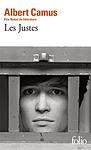
15. Les Justes
The play explores the moral and ethical dilemmas faced by a group of Russian revolutionaries in 1905 as they plan and execute an assassination to overthrow a tyrannical regime. The characters grapple with the tension between their idealistic goals and the violent means required to achieve them, questioning the justification of murder for political ends. Through intense dialogues and personal conflicts, the narrative delves into themes of justice, sacrifice, and the human cost of revolutionary fervor, ultimately highlighting the complexity of balancing personal conscience with collective responsibility.
-
16. Youthful Writings 1st Paragon House Edition By Camus, Albert Paperback
This collection features the early writings of a renowned philosopher and author, showcasing his formative thoughts and literary style. The pieces reflect his exploration of existential themes, grappling with concepts of absurdity, identity, and the human condition. Through essays, reflections, and short stories, the author delves into the complexities of youth, morality, and the search for meaning in a seemingly indifferent world. These writings provide insight into the development of his philosophical ideas and literary voice, offering a glimpse into the mind of a thinker who would later become influential in existential and absurdist thought.
-
17. Exile And The Kingdom
The book is a collection of six short stories that explore themes of alienation, existentialism, and the human condition. Each story delves into the lives of characters who grapple with feelings of isolation and the search for meaning in a world that often seems indifferent. Through diverse settings and situations, the narratives examine the tension between individual desires and societal expectations, ultimately highlighting the struggle for personal freedom and the quest for belonging in an unpredictable and often unforgiving world.
-
18. The Myth Of Sisyphus And Other Essays
This philosophical collection delves into the human condition, exploring the absurdity of life and the search for meaning in a seemingly indifferent universe. Through a series of essays, it examines the concept of the "absurd" and how individuals confront the inherent lack of purpose in existence. The central metaphor of Sisyphus, eternally pushing a boulder up a hill only for it to roll back down, serves as a poignant illustration of the human struggle against the futility of life. Despite the bleakness of this realization, the work ultimately suggests that embracing the absurd can lead to personal freedom and a deeper appreciation for life itself.
-
19. Resistance, Rebellion And Death
Essays
This collection of essays delves into the moral and philosophical challenges faced by individuals and societies in the face of oppression and injustice. Through a series of poignant reflections, the author explores themes of resistance, the human spirit's resilience, and the ethical dilemmas encountered in the struggle for freedom and dignity. The essays serve as a powerful commentary on the human condition, urging readers to confront the complexities of rebellion and the sacrifices required to uphold truth and justice in a world often marred by tyranny and violence.
-
20. Reflections On The Guillotine
This thought-provoking essay delves into the moral and philosophical arguments against capital punishment, challenging the justification of the death penalty in modern society. Through a blend of personal reflections and historical analysis, it questions the efficacy and ethical implications of state-sanctioned execution, emphasizing the inherent value of human life and the potential for judicial error. The narrative advocates for a more humane approach to justice, urging readers to reconsider the societal and individual consequences of endorsing such irreversible measures.
-
21. Summer In Algiers
In this evocative essay, the author paints a vivid picture of life in Algiers during the summer, capturing the essence of the city's vibrant atmosphere and its inhabitants' deep connection to the sun and sea. Through a series of reflective observations, the narrative explores themes of existentialism, the fleeting nature of happiness, and the human condition, all set against the backdrop of Algiers' bustling streets, sun-drenched beaches, and the relentless Mediterranean heat. The work delves into the paradox of life's beauty and its inherent absurdity, offering a contemplative meditation on the interplay between the physical world and the inner life of individuals.
-
22. Caligula And Cross Purpose
Two Plays by Albert Camus
Set against the backdrop of a crumbling Roman Empire, the narrative explores the descent into madness of a young emperor who, after the death of his beloved sister, becomes consumed by the absurdity of life and the futility of human existence. His quest for absolute freedom and power leads him to commit acts of cruelty and tyranny, challenging the boundaries of morality and reason. Through a series of intense dialogues and philosophical musings, the story delves into themes of existentialism, the nature of power, and the search for meaning in a seemingly indifferent universe.
Purchase from Bookshop.org -
23. Create Dangerously
The Work of Art in the Age of Risk
In this thought-provoking collection of essays, the author delves into the intricate relationship between art and politics, exploring the moral responsibilities of the artist in a world fraught with conflict and oppression. Through a series of poignant reflections, the narrative examines the courage required to create art that challenges the status quo, while also considering the potential consequences of such daring endeavors. The essays serve as a call to action, urging artists to embrace their role as agents of change, even when faced with the daunting realities of censorship and persecution.
Purchase from Bookshop.org -
24. رکوئیم برای یک راهبه
The narrative unfolds in a tense courtroom drama, exploring themes of guilt, redemption, and the complexities of human nature. Set against the backdrop of a Southern town, the story delves into the life of a woman on trial for a heinous crime, examining her past and the societal forces that shaped her destiny. Through a series of flashbacks and introspective monologues, the tale reveals the intricate web of personal and communal histories that culminate in the present moment, inviting readers to ponder the moral ambiguities of justice and the possibility of forgiveness.
-
25. The Guest
Set against the stark backdrop of the Algerian plateau, this existential narrative explores themes of moral ambiguity and personal responsibility. A solitary schoolteacher, Daru, finds himself caught in a moral quandary when tasked with delivering an Arab prisoner to authorities. Torn between duty and his own ethical compass, Daru grapples with the weight of choice and the consequences of freedom, ultimately leaving the prisoner to decide his own fate. The story delves into the complexities of human nature and the isolation inherent in making difficult decisions.
-
26. Fragen Der Zeit
-
27. Dramen
Purchase from Bookshop.org -
28. Cartas A Un Amigo Alemán
A series of wartime letters addressed to an ideological adversary during World War II, this work contrasts a humanist ethic of limits, dignity, and solidarity with the nihilism of totalitarian conquest. It reflects on the lived experience of occupation, the moral responsibility of resistance, and the refusal to justify murder in the name of history or victory. Through calm yet firm argument, it defends freedom and justice as inseparable, asserts that revolt must respect human life, and urges a Europe rebuilt on truth and compassion rather than force.
-
29. The Plague, The Fall, Exile And The Kingdom And Selected Essays
An incisive collection that journeys from a beleaguered North African city beset by epidemic to the confessional spiral of a disillusioned lawyer, the estranged lives of wanderers and outcasts, and essays that crystallize a philosophy of the absurd and revolt. Through crises of suffering, guilt, and moral choice, it probes human solidarity, hypocrisy, justice, and the search for meaning in an indifferent world. Together these works sketch an ethic of lucidity and compassion amid oppression, exile, and the ever-present pull of nihilism.
-
31. Requiem Pour Une Nonne
Set in the same Mississippi milieu as an earlier scandal, the story follows a woman whose past returns to haunt her when a violent act involving her household leads to a sensational trial; an unlikely woman from her former life becomes a sacrificial figure whose confession and fate force the community and the protagonist to confront questions of guilt, responsibility, grace, and possible redemption. The narrative mixes courtroom drama, lyrical reflection, and a stage-like interlude to probe whether moral atonement can be achieved and at what cost.
-
Purchase from Bookshop.org
-
33. Neither Victims Nor Executioners
A postwar essay arguing that responding to oppression with more violence only perpetuates injustice; it rejects both passive victimhood and becoming an executioner, urging a politics grounded in moral responsibility, nonviolence, and solidarity. The author criticizes revenge and totalitarian methods, calls for the abolition of capital punishment and international cooperation, and advocates ethical reforms that protect human dignity without mirroring brutality.
Purchase from Bookshop.org -
34. The Just Assassins
A tightly focused drama set in early 20th-century Russia that follows a small band of revolutionaries who plan and carry out the assassination of a high-ranking official, forcing each member to confront the moral cost of political violence. As debates over duty, sacrifice and legality intensify, personal loyalties, conscience and the impact on innocent people create wrenching conflicts—particularly for the bomber whose act and its aftermath expose whether violent means can ever be justified by a political end.
-
35. The Possessed
In a provincial town, a web of conspirators, demagogues and disillusioned followers stokes ideological fervor that quickly spirals into paranoia, betrayal and violent upheaval; as friendships and families are torn apart, the narrative exposes how fanaticism and empty rhetoric can destroy lives and reveal the moral vacuum beneath revolutionary gestures.
Purchase from Bookshop.org -
36. The State Of Siege
Set in a Spanish port city, the play depicts the sudden arrival of a mysterious illness that is exploited by a calculating authority to impose martial order and crush individual freedom. As panic spreads, ordinary citizens face choices between collaboration, resignation, or quiet resistance, while intimate relationships are tested under the pressures of fear and surveillance. The work interrogates how crises enable totalitarian control and probes themes of human dignity, solidarity, and the moral cost of survival.
-
37. American Journals
A series of travel reflections written after a mid-20th-century visit to the United States, this collection records vivid encounters with American cities, cultural institutions and public figures while probing themes of democracy, materialism, racial injustice and the meaning of freedom; the tone mixes curiosity and gentle critique as the observer contrasts official optimism with private unease and reflects on art, cinema and the human condition amid postwar American life.
Purchase from Bookshop.org -
38. Algerian Chronicles
A collection of essays, reports and reflections from the turbulent years of colonial Algeria that combines vivid reportage with moral and political argument; the pieces defend human dignity, criticize violence and injustice on both sides, call for reforms and reconciliation, and offer a compassionate portrait of everyday people caught between competing nationalisms and the pressures of decolonization.
Purchase from Bookshop.org -
39. Committed Writings
A compact collection of essays and journalism exploring the ethical responsibilities of intellectuals and political engagement in mid‑20th‑century Europe and North Africa. It confronts totalitarianism, colonialism, and the moral limits of resistance, arguing for human dignity, individual responsibility, and principled refusal to justify violence while remaining critical of ideological dogma and urging a temperate, compassionate approach to political commitment.
Purchase from Bookshop.org -
40. Albert Camus Speaking Out
A collection of impassioned essays, speeches and interviews in which the writer confronts the political and moral crises of mid-20th-century Europe and Algeria, arguing for a human-centered ethics that rejects both ideological fanaticism and state-sanctioned violence. It emphasizes the responsibility of conscience, the limits of revolutionary violence, the necessity of solidarity with the oppressed, and the dignity of the individual amid historical turmoil, combining philosophical reflection with clear, urgent public commentary.
Purchase from Bookshop.org -
41. De Pest
A port city is struck by a sudden epidemic that forces quarantine and upends ordinary life; a doctor and a circle of townspeople—journalist, magistrate, volunteer and others—struggle to care for the sick, combat bureaucratic indifference, and confront isolation, grief and moral responsibility. Through accounts of suffering, patient care and small acts of solidarity, the narrative probes human resilience, the demands of duty, and the ambiguous mixture of courage and selfishness that emerges under extreme pressure. When the epidemic at last recedes, survivors are left to reckon with loss, the endurance of memory, and the fragile lessons about compassion and human solidarity earned at great cost.
-
42. Faldet
A charismatic former Parisian lawyer delivers a confessional monologue to an anonymous listener in Amsterdam, tracing his moral decline through episodes of self-deception, calculated hypocrisy and a single shattering moment that exposes his illusions of virtue. Using irony and moral probing, he examines guilt, responsibility and the human impulse to judge others while masking one’s own failures, positioning himself as both judge and penitent and forcing readers to confront the precariousness of conscience and authenticity.
-
43. Oprøreren
An Essay on Man in Revolt
A philosophical essay that analyzes rebellion as a human response to injustice and the absurd, distinguishing metaphysical revolt—which asserts a measure of dignity and shared values—from historical and political revolutions; it traces how legitimate revolt, rooted in affirmation of limits and solidarity, can mutate into violent absolutism or nihilism when it claims unlimited rights to remake humanity, and it critiques ideological movements and justifications for murder while arguing for a tempered, ethical rebellion that preserves human dignity and resists both oppressive systems and totalizing doctrines.
-
44. The Adulterous Woman
A middle-aged woman married to a practical, unimaginative man grows acutely aware of the emptiness of her domestic life while on a business trip; wandering alone one night she climbs to a hill overlooking the distant city and is seized by an intense, fleeting sense of possibility and desire that seems to offer an escape from boredom and isolation, yet when she returns to her husband the promise dissolves into the familiar resignation, leaving her to confront the painful gap between longing and action and the existential solitude at the heart of her marriage.
-
45. The Collected Fiction Of Albert Camus
A powerful gathering of novels and short stories that probe human alienation, moral ambiguity, and the search for meaning in an indifferent world. Written in spare, luminous prose, the works follow weary yet lucid protagonists facing mortality, exile, guilt, and the absurd, often set against Mediterranean and European backdrops. Together they examine ethical choice, the limits of reason, and the tension between revolt and compassion, offering a stark but humane picture of what it means to live with conscience in a chaotic world.