John Milton
John Milton was an English poet, polemicist, man of letters, and civil servant for the Commonwealth of England under Oliver Cromwell. He is best known for his epic poem 'Paradise Lost'.
Books
This list of books are ONLY the books that have been ranked on the lists that are aggregated on this site. This is not a comprehensive list of all books by this author.
-
1. Paradise Lost
A Poem in Ten Books
"Paradise Lost" is an epic poem that explores the biblical story of Adam and Eve's fall from grace in the Garden of Eden. It delves into their temptation by Satan, their subsequent expulsion, and the consequences of their disobedience. The narrative also provides a complex portrayal of Satan as a rebellious angel, who, after being cast out of Heaven, seeks revenge by causing mankind's downfall. The poem is a profound exploration of free will, divine justice, and the human struggle with good and evil.
The 127th Greatest Book of All TimePurchase from Bookshop.org or Amazon -
2. Areopagitica
A Speech of Mr. John Milton for the Liberty of Unlicenc'd Printing, to the Parlament of England
"Areopagitica" is a powerful 17th-century polemic against censorship and a passionate defense of the freedom of speech and expression. The author argues against the Licensing Order of 1643, which allowed the British government to censor literature and other forms of expression. He asserts that censorship is a form of tyranny and that in a true republic, freedom of thought and discussion should be promoted, not suppressed. The author also contends that exposure to a wide range of viewpoints, including those that may be false or harmful, is necessary for intellectual and moral growth.
The 3637th Greatest Book of All TimePurchase from Bookshop.org or Amazon -
3. Lycidas, Comus, And The Minor Poems
This collection brings together some of the most notable early works of a seminal figure in English literature, showcasing his mastery of verse and profound engagement with themes of morality, virtue, and the human condition. "Lycidas" is an elegy that mourns the death of a friend while meditating on the poetic vocation and the nature of life and death. "Comus" is a masque that explores the struggle between chastity and licentiousness through the story of a virtuous lady resisting the temptations of the titular enchanter. The minor poems included offer a glimpse into the writer's development as a poet, with pieces that range from the pastoral to the personal, reflecting both classical influences and innovative poetics that would come to characterize his later, more epic works.
The 5393rd Greatest Book of All TimePurchase from Amazon -
4. Paradise Regained
This epic poem is a sequel to a much longer work and focuses on the biblical story of Jesus Christ's temptation by Satan in the wilderness. Over the course of four books, the narrative explores the intellectual and spiritual battle between the Son of God and the devil, who attempts to seduce him with various arguments and worldly temptations. However, Jesus remains steadfast in his faith and virtue, ultimately reclaiming the paradise that was lost by Adam and Eve's fall from grace. The poem celebrates the themes of redemption, the triumph of good over evil, and the wisdom and strength gained through suffering and temptation.
The 5839th Greatest Book of All TimePurchase from Bookshop.org or Amazon -
5. Samson Agonistes
A Dramatic Poem
The work is a dramatic poem that follows the final days of Samson, a once-mighty biblical hero who has been captured and blinded by his enemies, the Philistines. In his state of physical and spiritual anguish, Samson grapples with his past actions, his relationship with God, and his desire for vengeance. As he is brought out to entertain the Philistines in their temple, he ultimately finds strength in his faith, leading to a catastrophic act of destruction where he pulls down the temple pillars, killing himself along with his captors, and fulfilling his destiny as a tragic hero.
The 7216th Greatest Book of All TimePurchase from Amazon -
6. The Complete Poetry and Essential Prose of John Milton
This book is a comprehensive collection of the well-known English poet's work, including his complete poetry and essential prose. It provides readers with a deep dive into his profound and influential writings that range from religious and political themes to classic epic literature. The volume also includes his most famous pieces, such as "Paradise Lost", "Paradise Regained", and "Samson Agonistes". The collection is accompanied by detailed notes and commentary, offering insights into the historical and literary context of the works.
The 11113th Greatest Book of All TimePurchase from Amazon -
7. Paradise Lost And Other Poems
This collection delves into the epic narrative of humanity's fall from grace, exploring themes of temptation, redemption, and divine justice. Through vivid imagery and masterful verse, the central poem recounts the rebellion of Satan and the subsequent expulsion of Adam and Eve from the Garden of Eden, highlighting the eternal struggle between good and evil. Accompanying shorter works further reflect on the complexities of human nature and the pursuit of virtue, offering profound insights into the moral and spiritual dilemmas faced by individuals.
The 15918th Greatest Book of All TimePurchase from Bookshop.org or Amazon -
8. Complete Poems And Major Prose
This collection brings together the complete poetic works and significant prose of a renowned 17th-century English writer, showcasing his mastery of language and profound engagement with themes of religion, politics, and human nature. The volume includes his epic poems, which explore the cosmic battle between good and evil, as well as his sonnets and shorter verses that reflect personal and political concerns. The prose works reveal his intellectual rigor and commitment to liberty and justice, addressing issues such as censorship, divorce, and governance. Together, these writings highlight the author's enduring influence on English literature and thought.
-
9. L'allegro, Il Penseroso, Comus, And Lycidas
And Other Poems
This collection features a series of poetic works by John Milton that explore contrasting themes and human experiences. "L'Allegro" and "Il Penseroso" present a dichotomy between the joyful, lively aspects of life and the contemplative, introspective side, respectively, each celebrating the virtues of their distinct perspectives. "Comus" is a masque that delves into themes of virtue and temptation, following a lady's encounter with the enchanter Comus and her steadfast resistance to his seductive powers. "Lycidas" is an elegy mourning the death of a friend, reflecting on themes of loss, fame, and the pastoral tradition, while also contemplating the poet's own mortality and legacy. Together, these works showcase Milton's mastery of language and his deep engagement with philosophical and moral questions.
-
10. Paradise Lost And Paradise Regained
In this epic narrative, the story unfolds with the fall of humankind, exploring the themes of temptation, sin, and redemption. The tale begins with the rebellion of Satan and his banishment from Heaven, leading to his vengeful plot to corrupt God's newest creation, humanity. Through the tragic disobedience of Adam and Eve, the narrative delves into the loss of innocence and the consequences of free will. Yet, amidst despair, a promise of hope and salvation emerges, as the narrative shifts to the eventual redemption of humanity through divine intervention, highlighting the eternal struggle between good and evil.
-
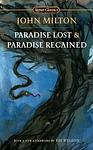
11. Paradise Lost & Paradise Regained

A two-part epic that traces humanity’s fall and the possibility of redemption: the first poem dramatizes a proud angel’s rebellion and expulsion from heaven, his temptation of the first man and woman, and their ensuing disobedience and banishment—raising profound questions about free will, obedience, and divine justice; the second poem presents the Son’s resistance to temptation in the wilderness, emphasizing spiritual resolve and the hope of reclaiming what was lost through obedience and inward restoration.
Purchase from Bookshop.org -
12. On The Morning Of Christ's Nativity
A richly lyrical meditation on the birth of Christ that treats the Incarnation as a cosmic turning point: angels break the darkness with hymn and song, prophecy is fulfilled in a humble manger, and the powers of evil are foiled and put to flight. The poem contrasts the tumult of sin and Satan’s thwarted designs with the quiet miracle of a newborn who brings peace and a renewed order, celebrating divine glory, prophetic fulfillment, and the dawn of salvation for humankind.
Purchase from Bookshop.org