Arundhati Roy
Arundhati Roy is an Indian author best known for her novel 'The God of Small Things,' which won the Man Booker Prize for Fiction in 1997. She is also a political activist involved in human rights and environmental causes.
Books
This list of books are ONLY the books that have been ranked on the lists that are aggregated on this site. This is not a comprehensive list of all books by this author.
-
1. The God of Small Things
This novel is a poignant tale of fraternal twins, a boy and a girl, who navigate through their childhood in Kerala, India, amidst a backdrop of political unrest and societal norms. The story, set in 1969, explores the complexities of their family's history and the tragic events that shape their lives. Their mother's transgression of caste and societal norms by having an affair with an untouchable leads to disastrous consequences, revealing the oppressive nature of the caste system and the destructive power of forbidden love. The novel also delves into themes of postcolonial identity, gender roles, and the lingering effects of trauma.
The 359th Greatest Book of All TimePurchase from Bookshop.org or Amazon -
2. Mother Mary Comes To Me
Arundhati Roy reflects on her relationship with her mother, Mary Roy, exploring how childhood in Kerala and her mother’s fierce presence shaped her life and work. Written after Mary’s death, the memoir navigates complex feelings—love, anger, grief and admiration—without revealing plot details. Intimate, candid, and often quietly humorous, it examines how personal history forms identity and writing.
The 8787th Greatest Book of All TimePurchase from Bookshop.org or Amazon -
3. My Seditious Heart
This book is a comprehensive collection of the author's non-fiction writings spanning over two decades, reflecting her unwavering commitment to social justice, environmental activism, and political critique. Through essays and speeches, the author delves into issues such as corporate globalization, the plight of marginalized communities, and the impact of governmental policies on democracy and human rights. Her incisive and eloquent prose challenges readers to confront uncomfortable truths and consider alternative perspectives on power, resistance, and the interconnectedness of global struggles.
The 11047th Greatest Book of All TimePurchase from Amazon -
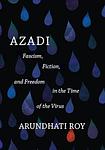
4. Azadi
Freedom. Fascism. Fiction.
This compelling collection of essays delves into the intricate tapestry of freedom and its multifaceted implications in contemporary India. Through a blend of personal reflections and incisive political commentary, the narrative explores the struggles of marginalized communities, the erosion of democratic values, and the pervasive impact of nationalism. The author weaves together stories of resistance and resilience, urging readers to question the status quo and envision a more equitable future. With a keen eye for detail and a profound sense of empathy, the work challenges conventional narratives and invites a deeper understanding of the socio-political landscape.
The 11500th Greatest Book of All TimePurchase from Bookshop.org or Amazon -
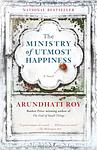
5. Ministry Of Utmost Happiness
The novel weaves together a tapestry of stories set in India, exploring themes of love, loss, and resilience amidst social and political turmoil. It follows the lives of Anjum, a transgender woman who creates a sanctuary in a graveyard, and Tilo, an architect entangled in a complex love story, as their paths intersect with a diverse cast of characters. Through their journeys, the narrative delves into the struggles of marginalized communities, the impact of conflict, and the enduring human spirit, painting a vivid portrait of contemporary India and its myriad contradictions.
Purchase from Amazon -
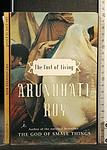
6. The Cost Of Living
The book is a collection of essays that critically examines the socio-political landscape of India, focusing on the impact of globalization, economic policies, and large-scale infrastructure projects on marginalized communities. Through a blend of personal narrative and incisive analysis, it highlights the struggles of those displaced by development projects, questioning the true cost of progress and advocating for more equitable and sustainable approaches. The author passionately argues for the protection of human rights and environmental integrity, urging readers to reconsider the priorities of modern society.
-
7. An Ordinary Person's Guide To Empire
The book provides a critical examination of global imperialism and its pervasive impact on politics, economics, and society. Through a series of essays, it explores how power dynamics and corporate interests shape world events, often at the expense of marginalized communities. The author challenges readers to recognize and resist the subtle and overt mechanisms of control that perpetuate inequality and injustice. By highlighting the interconnectedness of global struggles, the book calls for solidarity and activism to confront and dismantle oppressive systems.
-
8. Field Notes On Democracy
Listening to Grasshoppers

This compelling collection of essays delves into the intricate dynamics of democracy in India, examining how political power, economic policies, and social injustices intertwine to shape the nation's landscape. Through a critical lens, the author explores the erosion of democratic ideals, highlighting the impact of corporate globalization, religious nationalism, and state oppression on marginalized communities. The narrative is both a passionate critique and a call to action, urging readers to reflect on the true essence of democracy and the urgent need for resistance and reform in the face of systemic inequalities.
Purchase from Bookshop.org -
9. The Algebra Of Infinite Justice
This thought-provoking collection of essays delves into the complex interplay of global politics, economics, and social justice, offering a critical examination of the world's power dynamics. Through a series of incisive arguments, the author challenges the prevailing narratives surrounding globalization, war, and the environment, urging readers to question the ethical implications of these issues. The work serves as a powerful call to action, advocating for a more equitable and compassionate world by highlighting the often-overlooked voices of the marginalized and oppressed.
-
10. By Arundhati Roy God Of Small Things
A vividly told, non-linear family saga set in 1960s Kerala that follows the childhood memories of twins whose lives are shattered by a tragic sequence of events. The story explores forbidden love, social taboos and the oppressive effects of caste, class and patriarchal norms through the experiences of their mother, an illicit lover from a lower caste, and other relatives, culminating in a catastrophic incident that haunts them into adulthood. Rich, lyrical prose examines how small, everyday moments and overlooked injustices cascade into lasting devastation.
Purchase from Bookshop.org -
11. Capitalism
A Ghost Story
A searing critique of neoliberal economics and the corporate–state nexus, arguing that privatization, land grabs, and crony capitalism in India drive deepening inequality, environmental destruction, communal tensions, and the dispossession of marginalized communities, while documenting how political elites and multinational interests profit from violence and impunity even as grassroots resistance struggles to defend livelihoods and democratic space.
Purchase from Bookshop.org -
12. Walking With The Comrades
A gripping travelogue and investigative account of the Maoist insurgency in central India, based on journeys through the forests of Bastar in Chhattisgarh where the narrator lives among Adivasi communities and guerrilla fighters; it documents state and paramilitary violence (including anti-insurgent campaigns), corporate-driven mining and dispossession, human-rights abuses and legal injustices, and explores how neglect, resource extraction and fractured development fuel resistance and the daily struggles and resilience of marginalized villagers.
Purchase from Bookshop.org -
13. The Ordinary Person's Guide To Empire
A blistering, plain-spoken polemic that unpacks how modern military and economic power functions as a new form of empire, tracing links between corporate greed, state violence and the rhetoric of the “war on terror.” It exposes the human cost of occupations, drone strikes and border politics, shows how ordinary citizens are enlisted—through fear, media and consumer habits—into sustaining injustices, and urges simple, principled acts of solidarity and resistance. Mixing historical context with moral urgency, the piece calls for questioning official narratives, refusing complicity, and building alliances across borders to defend civil liberties and human dignity.
-
14. Listening To Grasshoppers
Field Notes on Democracy
A fiery collection of essays that interrogates contemporary democracy in India and beyond, exposing how state power, corporate ‘development,’ communal violence, and securitized responses to dissent converge to marginalize the poor and silence critics; blending reportage, memoir, and polemic, the writer documents the human cost of large dams and mining, counterinsurgency in tribal regions, communal riots, and the erosion of civil liberties while tracing links between local struggles and global neoliberal and militarized policies.
Purchase from Bookshop.org -
15. The Doctor And The Saint
Caste, Race and the Story of India
A concise, incisive critique that juxtaposes the lives and legacies of B.R. Ambedkar and M.K. Gandhi, arguing that an idealized memory of the latter has overshadowed Ambedkar’s struggle against caste and the lived realities of Dalits. Blending historical analysis, political argument, and personal reflection, it interrogates how colonial and upper-caste narratives have sanitized national myths, exposes tensions between reformist rhetoric and demands for structural emancipation, and urges a recovery of suppressed histories and urgent attention to ongoing caste oppression.
Purchase from Bookshop.org