Peter B. Medawar
Peter Brian Medawar was a British biologist and writer who is known for his work on graft rejection and the discovery of acquired immune tolerance, which earned him the Nobel Prize in Physiology or Medicine in 1960.
Books
This list of books are ONLY the books that have been ranked on the lists that are aggregated on this site. This is not a comprehensive list of all books by this author.
-
1. The Art of the Soluble
Creativity and Originality in Science
The book is a collection of essays that explore the nature of scientific inquiry, the process of problem-solving, and the role of creativity and originality in scientific discoveries. It delves into the philosophical aspects of science, the relationship between science and literature, and the importance of skepticism and criticism in scientific progress. The author also discusses the characteristics of a good scientist and the interplay between theory and experiment in the scientific method.
The 7083rd Greatest Book of All TimePurchase from Bookshop.org or Amazon -
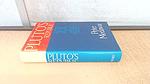
2. Pluto's Republic
The Evolution of Scientific Thought
"Pluto's Republic" is a collection of essays and lectures that delve into the philosophical and social aspects of science, exploring the nature of scientific thought, the relationship between science and literature, and the role of creativity and intuition in scientific discovery. The book also examines the ethical implications of scientific progress, the conflict between science and religion, and the challenges of scientific education. Through a series of thought-provoking pieces, the author, a Nobel laureate, offers insights into the human side of scientific endeavor, advocating for a more nuanced understanding of the interplay between science and society.
The 9090th Greatest Book of All Time -
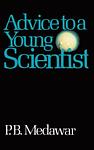
3. Advice To A Young Scientist
"Advice to a Young Scientist" is a guidebook aimed at aspiring scientists, offering practical and philosophical guidance on how to embark on a career in science. The book emphasizes the importance of passion and curiosity in scientific research, while also discussing the necessity of rigorous methodology and critical thinking. It provides insights into the nature of scientific work, the structure of scientific papers, and the management of scientific projects. Additionally, the author addresses the challenges young scientists may face, including competition and the pressure to publish, and offers advice on how to overcome these obstacles. The book is celebrated for its clear, candid, and encouraging tone, making it a valuable resource for anyone starting out in scientific research.
The 17152nd Greatest Book of All TimePurchase from Amazon -
4. The Limits Of Science
Is Science Limited?

This thought-provoking work delves into the boundaries of scientific inquiry, exploring the inherent limitations of scientific methods and the nature of scientific knowledge. It challenges the notion that science can provide answers to all questions, emphasizing that certain philosophical, ethical, and existential questions lie beyond its reach. Through a series of essays, the author argues that while science is a powerful tool for understanding the natural world, it is not equipped to address every aspect of human experience, urging readers to appreciate the value of other forms of knowledge and inquiry.
Purchase from Bookshop.org -
5. The Life Science
Current Ideas in Biology
This insightful work delves into the intricate world of biological sciences, exploring the profound questions and challenges that define the field. It offers a compelling examination of the scientific method, emphasizing the importance of hypothesis and experimentation in advancing our understanding of life. The narrative is enriched with historical context and personal anecdotes, providing a unique perspective on the evolution of biological thought and the dynamic nature of scientific inquiry. Through a blend of wit and wisdom, it encourages readers to appreciate the complexities and wonders of the living world.
Purchase from Bookshop.org