Albert Einstein
Albert Einstein was a theoretical physicist who developed the theory of relativity, one of the two pillars of modern physics. His work is also known for its influence on the philosophy of science.
Books
This list of books are ONLY the books that have been ranked on the lists that are aggregated on this site. This is not a comprehensive list of all books by this author.
-
1. Relativity
The Special and the General Theory
This book is a comprehensive introduction to the theory of relativity written by the physicist who developed the theory. It covers both the special and general theories of relativity and provides an accessible explanation of the physics involved, including the nature of light, time, and gravity. The book also discusses the philosophical implications of relativity and its impact on our understanding of reality. Written for a general audience, it aims to make complex scientific concepts understandable to non-experts.
The 315th Greatest Book of All TimePurchase from Bookshop.org or Amazon -
2. Ideas and Opinions
This book is a collection of essays, letters, and speeches from a renowned physicist, offering his thoughts on a wide range of topics. It includes his insights on science, philosophy, religion, politics, peace, education, liberty, and morality. The physicist's reflections on his own scientific discoveries and the theories of other great thinkers are also discussed. This compilation provides a comprehensive view of his intellectual development and personal beliefs.
The 6432nd Greatest Book of All TimePurchase from Bookshop.org or Amazon -
3. Essays In Humanism
This collection of essays presents a series of thought-provoking reflections on a wide range of social, political, and philosophical issues from one of the most influential scientists of the 20th century. The author shares his insights on topics such as the pursuit of peace, the role of education, the importance of individual freedom, and the responsibilities of scientists in society. Through these writings, he advocates for a humanistic approach to addressing global challenges, emphasizing the need for compassion, understanding, and cooperation among nations and individuals to create a more just and harmonious world.
-
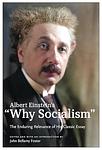
4. Why Socialism?
In this thought-provoking essay, the author delves into the intricacies of economic and social structures, questioning the sustainability and ethical implications of capitalism. The narrative explores the potential of socialism as a means to achieve a more equitable society, emphasizing the need for a system that prioritizes human welfare over profit. Through a blend of philosophical insights and socio-economic analysis, the author advocates for a collective approach to address societal challenges, fostering a world where individual freedom is harmonized with communal responsibility.
-
5. Why War? Open Letters Between Einstein And Freud
Open Letters Between Einstein And Freud

In a profound exchange of letters, two of the 20th century's greatest minds delve into the perplexing nature of human conflict. The correspondence explores the psychological and sociopolitical roots of war, with one thinker questioning the inevitability of violence and the other offering insights into the human psyche's predisposition towards aggression. Through their dialogue, they ponder the potential for peace and the role of education and international cooperation in mitigating the destructive tendencies inherent in human societies. Their intellectual discourse remains a timeless reflection on the complexities of war and the enduring quest for harmony.
Purchase from Bookshop.org -
6. Out Of My Later Years
The Scientist, Philosopher, and Man Portrayed Through His Own Words
This collection of essays offers profound insights into the mind of one of the 20th century's most influential thinkers, exploring a wide range of topics from science and philosophy to politics and human rights. Through a series of reflective and thought-provoking writings, the author shares his perspectives on the moral and ethical responsibilities of scientists, the importance of intellectual freedom, and the pursuit of peace in a turbulent world. The essays reveal a deep commitment to humanitarian values and a vision for a more just and harmonious society, underscoring the enduring relevance of his ideas in contemporary discourse.
Purchase from Bookshop.org