Dumas Malone
Dumas Malone was an American historian, known for his six-volume biography of Thomas Jefferson, for which he won the Pulitzer Prize for History in 1975.
Books
This list of books are ONLY the books that have been ranked on the lists that are aggregated on this site. This is not a comprehensive list of all books by this author.
-
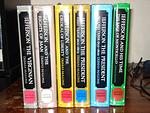
1. Jefferson and His Time
"Jefferson and His Time" is a comprehensive six-volume biography that explores the life and legacy of Thomas Jefferson, the third president of the United States. The series delves into his political philosophy, his role in the formation of America, his relationships, and his personal life. It also examines his contributions to the United States, including his work as the principal author of the Declaration of Independence, his time as president, and his founding of the University of Virginia. The biography is a detailed and insightful examination of one of the most influential figures in American history.
The 2961st Greatest Book of All TimePurchase from Bookshop.org or Amazon -
2. Jefferson The Virginian
The book provides a detailed exploration of the early life and formative years of Thomas Jefferson, focusing on his upbringing in Virginia and the influences that shaped his character and political philosophy. It delves into his education, family background, and the cultural and social environment of colonial America, highlighting how these elements contributed to his development as a statesman and thinker. The narrative also examines Jefferson's role in the American Revolution and his contributions to the founding of the United States, offering insights into his vision for the new nation and his enduring legacy.
-
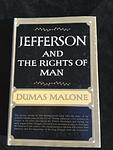
3. Jefferson And The Rights Of Man
The book delves into the life and political philosophy of Thomas Jefferson, focusing on his unwavering commitment to individual rights and democratic principles during his tenure as the third President of the United States. It explores his efforts to expand the nation's territory through the Louisiana Purchase, his challenges in navigating foreign policy, and his dedication to maintaining a government that prioritizes the rights and liberties of its citizens. The narrative provides a detailed examination of Jefferson's ideological struggles and achievements, highlighting his influence on the shaping of American democracy.
-
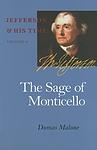
4. The Sage Of Monticello Jefferson And His Time, Volume 6
The Sage of Monticello
This volume delves into the later years of Thomas Jefferson's life, focusing on his retirement at Monticello after his presidency. It explores his continued influence on American politics and society, his correspondence with key figures of the era, and his efforts in founding the University of Virginia. The narrative also highlights Jefferson's personal struggles, including financial difficulties and the management of his estate, while reflecting on his enduring legacy as a statesman and thinker. Through detailed research, the book paints a comprehensive portrait of Jefferson's twilight years, emphasizing his philosophical contributions and the complexities of his character.
-
5. Jefferson The President

A detailed narrative of Thomas Jefferson’s years in the executive office, examining how his founding-era principles were tested by the practical demands of governance: the bold acquisition of the Louisiana Territory and sponsorship of the Lewis and Clark expedition, efforts to shrink the national debt and curtail federal power, struggles with the Federalist-dominated judiciary and the fallout from Marbury v. Madison, diplomatic and commercial conflicts with Britain and France culminating in the Embargo Act, and domestic crises such as the Burr conspiracy — all set against persistent contradictions between his rhetoric about liberty and his ownership of slaves.
-
6. Jefferson And The Ordeal Of Liberty
A richly researched political biography that traces the later presidency and public life of the subject, exploring how his high-minded commitments to republican liberty were tested by the practical demands of leadership during the tumult of the Napoleonic era. The narrative focuses on foreign-policy crises, trade warfare and the controversial embargo that sought to preserve American independence but strained the economy, while also probing the tensions between principle and expediency in his constitutional thought, domestic reforms, and personal contradictions—especially regarding slavery—and assessing his lasting impact on the American republic.
Purchase from Bookshop.org