Erwin Panofsky
Erwin Panofsky was a renowned art historian and a prominent figure in the field of iconography and iconology. He made significant contributions to the study of Renaissance art and was a professor at the Institute for Advanced Study in Princeton.
Books
This list of books are ONLY the books that have been ranked on the lists that are aggregated on this site. This is not a comprehensive list of all books by this author.
-
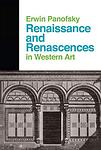
1. Renaissance And Renascences In Western Art
This scholarly work delves into the multifaceted concept of the Renaissance, exploring its origins, evolution, and impact on Western art. It distinguishes between the Italian Renaissance and other "renascences" that occurred in different periods and regions, analyzing how these movements drew inspiration from classical antiquity while also forging new artistic paths. Through a detailed examination of art, architecture, and cultural history, the book offers a nuanced understanding of how the Renaissance was both a revival and a transformation, influencing the trajectory of Western art for centuries.
The 4106th Greatest Book of All TimePurchase from Bookshop.org or Amazon -
2. Studies in Iconology
Humanistic Themes in the Art of the Renaissance
"Studies in Iconology" is a seminal work in the field of art history that examines the use of allegory, symbol, and motif in visual art. The author uses a method known as iconology, which is the study of the content and meaning of works of art, as opposed to their form. By doing so, he provides a deeper understanding and interpretation of various artworks, particularly those from the Renaissance period. The book also delves into the cultural, historical, and psychological contexts in which these works were created, offering an in-depth exploration of the symbolism and significance of imagery in art.
The 6367th Greatest Book of All TimePurchase from Bookshop.org or Amazon -
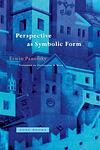
3. Perspective As Symbolic Form
"Perspective as Symbolic Form" explores the concept of perspective in art, particularly how it reflects the philosophical and cultural attitudes of the times during which it was used. The book delves into the development of perspective from the Renaissance onwards, arguing that it is not merely a technical drawing tool but a form of symbolic form that conveys specific ideological messages. The author examines how perspective shapes the way viewers perceive art and reality, suggesting that it represents a broader cultural shift towards a more systematic and scientific approach to viewing the world. Through a detailed analysis of historical and artistic contexts, the book reveals how perspective has been both a technical achievement and a profound shaping force in Western visual culture.
The 10309th Greatest Book of All TimePurchase from Bookshop.org or Amazon -
4. The Life And Art Of Albrecht Dürer

This comprehensive exploration delves into the life and artistic journey of one of the Renaissance's most influential figures, Albrecht Dürer. The narrative intricately weaves together the historical context of Dürer's time with a detailed analysis of his artistic achievements, offering insights into his innovative techniques and profound impact on the art world. Through a meticulous examination of his works, the book highlights Dürer's mastery in various mediums, from woodcuts and engravings to paintings and drawings, while also shedding light on his intellectual pursuits and personal experiences that shaped his creative vision.
Purchase from Bookshop.org -
5. Meaning In The Visual Arts
Papers in and on Art History
This seminal work delves into the intricate relationship between art and meaning, exploring how visual elements convey complex ideas and cultural values. Through a series of essays, it examines the historical context and iconography of various artworks, offering insights into the symbolic language of art across different periods and styles. By analyzing the layers of meaning embedded in visual forms, it provides a comprehensive framework for understanding how art reflects and shapes human experience, emphasizing the importance of interpreting art beyond its aesthetic value.
Purchase from Bookshop.org -
6. Idea
A Conceptual Analysis
This work delves into the intricate relationship between art and philosophy, exploring how the concept of "idea" has evolved through history, particularly in the context of art theory. It examines the philosophical underpinnings that have influenced artistic expression and interpretation, tracing the lineage of thought from antiquity to the Renaissance and beyond. By analyzing the interplay between form and content, the text offers a profound insight into how ideas shape and are shaped by the visual arts, highlighting the enduring dialogue between artistic creation and intellectual discourse.
-
7. Gothic Architecture And Scholasticism
An Inquiry into the Analogy of the Arts, Philosophy, and Religion in the Middle Ages
This insightful work explores the profound relationship between the architectural style of Gothic cathedrals and the intellectual framework of Scholasticism during the medieval period. It delves into how the structural and aesthetic elements of Gothic architecture, characterized by its pointed arches, ribbed vaults, and flying buttresses, reflect the systematic and hierarchical nature of Scholastic thought. By drawing parallels between the meticulous organization of theological and philosophical ideas and the intricate design of these grand structures, the book reveals a harmonious interplay between art and intellect, offering a deeper understanding of the cultural and intellectual milieu of the Middle Ages.
-
8. Early Netherlandish Painting
Its Origins and Character
This seminal work delves into the intricate world of 15th and early 16th-century Netherlandish art, offering a profound exploration of its historical context, iconography, and stylistic evolution. Through meticulous analysis, it unveils the complex interplay between religious symbolism and the burgeoning humanist ideals of the Renaissance, highlighting the innovative techniques and detailed realism that characterized the period. The book provides a comprehensive examination of key artists, such as Jan van Eyck and Rogier van der Weyden, illuminating their contributions to the development of Western art and their enduring influence on subsequent generations.