Robert Nisbet
Robert Alexander Nisbet was an American sociologist, historian, and educator. He is considered one of the most important conservative thinkers of the 20th century, known for his work on the social impact of modernity and the importance of community.
Books
This list of books are ONLY the books that have been ranked on the lists that are aggregated on this site. This is not a comprehensive list of all books by this author.
-
1. The Quest for Community
A Study in the Ethics of Order and Freedom
"The Quest for Community" is a sociological analysis that examines the rise of individualism and the decline of community in Western societies. The author argues that the erosion of traditional communities and associations has led to increased state power and control, creating a society where individuals are increasingly isolated and disconnected. He emphasizes the need for a return to stronger community bonds as a means to resist this trend and to foster a healthier, more balanced society.
The 1188th Greatest Book of All TimePurchase from Bookshop.org or Amazon -
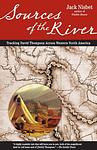
2. Sources Of The River
Tracking David Thompson Across North America
This captivating narrative delves into the adventurous journey of a young explorer in the uncharted wilderness of the Pacific Northwest during the early 19th century. The story intricately weaves together the challenges and triumphs faced as he navigates through rugged terrains, encounters diverse indigenous cultures, and documents the breathtaking landscapes. Through meticulous research and vivid storytelling, the book paints a vivid picture of the era's exploration spirit, highlighting the profound impact of these expeditions on the understanding and mapping of the region.
-
3. History Of The Idea Of Progress
A Study in the History of Ideas

This insightful work delves into the evolution of the concept of progress, tracing its roots from ancient civilizations through the Enlightenment and into the modern era. It examines how the idea of progress has been shaped by philosophical, religious, and scientific influences, and how it has been both a source of optimism and a catalyst for societal change. The narrative explores the tension between progress as a linear, inevitable force and the challenges posed by historical setbacks and cultural skepticism. Through a comprehensive analysis, it reveals how the belief in progress has continually adapted to the shifting landscapes of human thought and experience.
Purchase from Bookshop.org