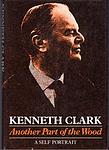
Kenneth Clark
Kenneth Clark was a British art historian, museum director, and broadcaster, best known for his television series 'Civilisation'.
Books
This list of books are ONLY the books that have been ranked on the lists that are aggregated on this site. This is not a comprehensive list of all books by this author.
-
1. Civilisation
A Personal View
"Civilisation" is an in-depth exploration of Western art and culture from the Dark Ages to the twentieth century. The book provides a comprehensive examination of the major creative and intellectual movements in Western history, including the Reformation, the Renaissance, the Industrial Revolution, and the Romantic era. The author uses art, literature, music, and architecture as a lens to explore the broader social, political, and economic context of each period, offering a rich and nuanced portrait of Western civilisation.
The 4614th Greatest Book of All TimePurchase from Bookshop.org or Amazon -
2. The Nude
A Study in Ideal Form
"The Nude: A Study in Ideal Form" is an exploration of the portrayal of the human body in art. The author analyzes the evolution of the nude form from ancient Greece to the modern era, discussing the cultural, philosophical, and aesthetic factors that have shaped its representation. The book examines the concept of 'ideal beauty', the symbolism of nudity, and the artistic techniques used to convey the human form, providing a comprehensive and insightful look into one of the most enduring themes in art history.
The 13363rd Greatest Book of All TimePurchase from Bookshop.org or Amazon -
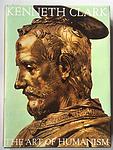
3. The Art Of Humanism
The book explores the profound impact of humanism on art and culture, tracing its origins from the Renaissance to modern times. It delves into how humanist principles have shaped artistic expression, emphasizing the value of individual creativity and the pursuit of knowledge. Through a detailed examination of various artworks and movements, the book highlights the enduring influence of humanist thought in fostering a deeper understanding of humanity and its potential. It underscores the importance of art as a reflection of human experience and a catalyst for intellectual and cultural growth.
-
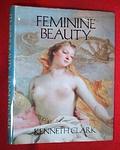
4. Feminine Beauty
A Study of the Ideal
The book explores the concept of feminine beauty through a historical and cultural lens, examining how perceptions of female aesthetics have evolved over time. It delves into the representation of women in art, literature, and society, highlighting the influence of cultural norms and ideals on the portrayal of feminine beauty. The author discusses various artistic movements and their impact on the depiction of women, offering insights into the changing standards and ideals that have shaped the understanding of beauty throughout history.
-
5. The Other Half
The Life of Sir Kenneth Clark
The book explores the profound impact of social inequality and class division on society, delving into the lives of those often overlooked or marginalized. Through a series of insightful observations and analyses, it examines how economic disparities shape individual experiences and societal structures. The narrative highlights the resilience and struggles of people living in poverty, emphasizing the need for empathy and understanding in addressing systemic issues. By shedding light on the unseen realities of the less privileged, the book calls for a more equitable and compassionate world.
-
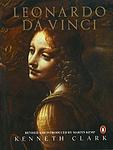
6. Leonardo Da Vinci
The book offers an insightful exploration into the life and works of Leonardo da Vinci, delving into his multifaceted genius as an artist, scientist, and thinker. It examines his profound influence on art and science, highlighting his relentless curiosity and innovative spirit. Through detailed analysis of his masterpieces and notebooks, the book paints a vivid portrait of Leonardo's creative process and intellectual pursuits, while also considering the historical and cultural context of the Renaissance period in which he lived.
-
7. Another Part Of The Wood
The book explores the complexities of human relationships and the intricacies of personal growth through the lens of a group of individuals gathered in a remote woodland setting. As they navigate their interactions and confront personal challenges, the characters reveal their vulnerabilities, desires, and the underlying tensions that shape their lives. The narrative delves into themes of self-discovery, the impact of the past on the present, and the delicate balance between isolation and connection, ultimately painting a poignant picture of the human condition.
-
8. Ruskin Today
The Modern Library of the World's Best Books

This insightful collection delves into the enduring relevance of John Ruskin's thoughts and writings, exploring his profound influence on art, architecture, and social theory. Through a curated selection of Ruskin's essays and lectures, the book highlights his passionate advocacy for beauty, truth, and moral integrity in the arts and society. It captures Ruskin's visionary ideas on the interconnectedness of nature, art, and human well-being, offering a compelling argument for the continued importance of his work in understanding and addressing contemporary cultural and social challenges.
-
9. Looking At Pictures
An Introduction to the Appreciation of Art
This insightful exploration delves into the world of art appreciation, offering readers a thoughtful guide on how to engage with and interpret visual art. Through a series of essays, the author shares personal reflections and expert observations, encouraging a deeper understanding of the emotional and intellectual responses elicited by paintings. The book emphasizes the importance of seeing beyond the surface, inviting readers to consider the historical context, artistic techniques, and the personal experiences that shape one's perception of art. It serves as both an educational resource and a passionate tribute to the transformative power of visual storytelling.
Purchase from Bookshop.org -
10. The Gothic Revival
An Essay in the History of Taste
This insightful exploration delves into the resurgence of Gothic architecture and design during the 18th and 19th centuries, examining its cultural, historical, and aesthetic significance. The narrative traces the movement's origins, its philosophical underpinnings, and its impact on art and architecture, highlighting key figures and works that defined the era. Through a detailed analysis, the book reveals how the Gothic Revival was not merely a nostalgic return to medieval forms but a complex, multifaceted phenomenon that reflected the social and intellectual currents of its time.