A. J. P. Taylor
A. J. P. Taylor was a renowned British historian known for his works on 19th and 20th-century European history. He was a prolific writer and broadcaster, often noted for his controversial and revisionist views on historical events.
Books
This list of books are ONLY the books that have been ranked on the lists that are aggregated on this site. This is not a comprehensive list of all books by this author.
-
1. The Struggle For Mastery In Europe
The book provides a comprehensive analysis of European international politics from the aftermath of the Napoleonic Wars to the outbreak of World War I. It examines the complex system of alliances, crises, and diplomatic maneuvers that characterized the continent during the 19th century, focusing on the quest for dominance among the great powers. The narrative delves into the balance of power principle, the role of nationalism, and the impact of economic and military factors on the relationships between countries such as Britain, France, Germany, Austria-Hungary, Russia, and Italy. Through a detailed account of treaties, wars, and diplomatic strategies, the work explores how the struggle for supremacy shaped the modern European state system and sowed the seeds for future conflicts.
The 6620th Greatest Book of All TimePurchase from Bookshop.org or Amazon -
2. The Origins of the Second World War
A Provocative Analysis of the Causes of World War II
This book delves into the causes and events leading to the Second World War, challenging traditional views and suggesting that it was not a premeditated act of aggression by Germany, but rather a series of miscalculations and blunders by various nations. It argues that the war was not inevitable, but was the result of flawed diplomacy and the failure of the League of Nations. The author presents a detailed analysis of the actions of major players, including Britain, France, and Russia, providing a fresh perspective on the political climate of the time.
The 14963rd Greatest Book of All TimePurchase from Amazon -
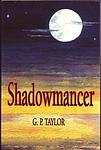
3. Shadowmancer
Set in a mystical 18th-century England, this gripping tale follows the journey of a young boy named Thomas as he battles against the dark forces of an evil sorcerer who seeks to control the world with his malevolent powers. Alongside a band of unlikely allies, including a mysterious girl and a wise old man, Thomas must navigate a world filled with ancient magic, treacherous landscapes, and hidden secrets. As the line between good and evil blurs, the story explores themes of faith, redemption, and the enduring power of hope in the face of overwhelming darkness.
Purchase from Bookshop.org -
4. Inside Hbo's Game Of Thrones

null
Purchase from Bookshop.org -
5. Essays In English History
This collection of essays offers a compelling exploration of pivotal moments and figures in English history, presenting a nuanced analysis of political, social, and economic developments from the medieval period to the modern era. Through a series of incisive and thought-provoking essays, the author delves into the complexities of historical events, shedding light on the intricate interplay of power, ideology, and human agency. The work is characterized by its engaging narrative style and insightful interpretations, making it an essential read for those seeking a deeper understanding of England's historical landscape.
-
6. English History, 1914–1945
This comprehensive historical analysis delves into the tumultuous period of English history from the onset of World War I through the aftermath of World War II, exploring the profound social, political, and economic transformations that shaped the nation. The narrative examines the impact of global conflicts on British society, the shifting dynamics of power, and the evolution of domestic policies. It provides a critical perspective on the leadership and decisions that defined this era, offering insights into the resilience and adaptability of the English people during times of unprecedented change.
-
7. War By Timetable
An accessible revisionist study that argues the outbreak of 1914 was driven less by grand designs than by the mechanical realities of mobilization: detailed railway timetables, rigid military plans and the need to move large armies on fixed schedules turned diplomatic hesitations into a run-away process, so that once certain timetables began to be executed governments found themselves compelled to escalate, producing a general European war from what started as a regional crisis.