Ernest Becker
Ernest Becker was a cultural anthropologist and interdisciplinary thinker, known for his work in existential psychology and the study of human nature. He is best known for his 1974 Pulitzer Prize-winning book, 'The Denial of Death,' which explores the human awareness of mortality and its effects on behavior.
Books
This list of books are ONLY the books that have been ranked on the lists that are aggregated on this site. This is not a comprehensive list of all books by this author.
-
1. The Denial of Death
A Psychological Perspective on Mortality and Human Behavior
"The Denial of Death" is a thought-provoking examination of the influence of death on human behavior and society. The author argues that the fear of death is a primary motivator in human life, influencing our actions, beliefs, and relationships. He explores how culture and religion are often mechanisms to deny and transcend the reality of death, offering symbolic immortality through beliefs in the afterlife or in the enduring impact of one's life work. The book also delves into the psychological impact of this denial and the concept of the "heroic individual" who seeks to leave a lasting legacy.
The 9753rd Greatest Book of All TimePurchase from Amazon -
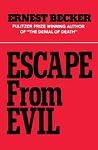
2. Escape From Evil
The Nature of Evil and the Human Condition
The book explores the human struggle with the fear of death and how this fear influences cultural and societal structures. It delves into the psychological mechanisms that drive individuals to seek meaning and transcendence, often through cultural symbols and rituals, to mitigate the anxiety of mortality. The work examines how these mechanisms can lead to both constructive and destructive behaviors, as individuals and societies attempt to assert their significance and stave off the existential dread of their impermanence. Through this lens, it offers a profound critique of human behavior and the underlying motivations that shape civilizations.
-
3. The Birth And Death Of Meaning
An Interdisciplinary Perspective on the Problem of Man
This insightful work delves into the human quest for meaning, exploring how individuals construct and deconstruct their understanding of existence. It examines the psychological and cultural frameworks that shape our perceptions, emphasizing the role of language, symbols, and societal norms in forming our sense of identity and purpose. The narrative challenges readers to confront the existential anxieties that arise from the awareness of mortality, urging a deeper reflection on the ways humans cope with the inevitability of death and the search for significance in a transient world.
Purchase from Bookshop.org