Anne Applebaum
Anne Applebaum is an American journalist and historian, known for her books on communism and the development of civil society in Central and Eastern Europe. She has won several awards, including the Pulitzer Prize for General Non-Fiction.
Books
This list of books are ONLY the books that have been ranked on the lists that are aggregated on this site. This is not a comprehensive list of all books by this author.
-
1. Gulag
A History
"Gulag: A History" provides an in-depth historical account of the Soviet Union's forced labor camp system, known as the Gulag. The book explores the inception of these camps during the reign of Vladimir Lenin, their expansion under Joseph Stalin, and their eventual decline and closure. It also delves into the daily lives of the prisoners, their hardships, and the brutal conditions they endured. The book is based on a wealth of archival material, personal interviews, and memoirs, offering a comprehensive understanding of one of the darkest periods in human history.
The 4615th Greatest Book of All TimePurchase from Bookshop.org or Amazon -
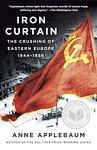
2. Iron Curtain
The Crushing of Eastern Europe, 1944-1956
"Iron Curtain" is a compelling historical analysis that delves into the brutal tactics employed by the Soviet Union to establish communist regimes in Eastern Europe after World War II. The book meticulously examines how political parties, cultural institutions, and the media were manipulated and often violently coerced to suppress opposition and control public life. Through personal stories and detailed research, it explores the profound impact of totalitarianism on the lives of individuals and the social fabric of societies behind the Iron Curtain, highlighting the methods of oppression and the legacy of this dark period in European history.
The 17162nd Greatest Book of All TimePurchase from Amazon -
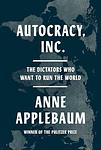
3. Autocracy, Inc.
In **Autocracy, Inc.**, Anne Applebaum explores the modern landscape of autocratic regimes, revealing how they are no longer dominated by a single leader but are instead managed by intricate networks. These networks consist of corrupt financial systems, security forces, and skilled propagandists who collaborate across borders. They engage in mutual business dealings, share resources, and propagate similar anti-democratic messages. Unlike traditional alliances, these networks are transactional and operate seamlessly across different ideologies and cultures. The book delves into the origins, persistence, and functioning of these networks, examining how democratic societies have inadvertently supported their growth and discussing potential strategies to counteract their influence.
The 17162nd Greatest Book of All TimePurchase from Amazon -
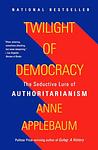
4. Twilight Of Democracy
The Seductive Lure of Authoritarianism
In this thought-provoking exploration, the author delves into the rise of authoritarianism and the erosion of democratic values in the modern world. Through a blend of personal anecdotes, historical analysis, and political commentary, the narrative examines how once-stable democracies are being undermined by populist leaders and divisive ideologies. The book highlights the role of intellectuals and media in shaping public opinion and the dangerous allure of nostalgia and conspiracy theories that fuel societal polarization. It serves as a cautionary tale, urging readers to recognize the fragility of democracy and the importance of safeguarding it against the forces of division and authoritarianism.
The 17162nd Greatest Book of All Time -
5. Red Famine
Stalin's War on Ukraine

This compelling historical analysis delves into the devastating famine that struck Soviet Ukraine in the early 1930s, a catastrophe that resulted in the deaths of millions. The narrative explores the political motivations behind the famine, highlighting how it was not merely a natural disaster but a man-made tragedy orchestrated by the Soviet regime under Stalin. Through meticulous research and personal accounts, the book uncovers the harrowing experiences of those who lived through this dark period, shedding light on the broader implications of state-induced suffering and the enduring impact on Ukrainian identity and history.
Purchase from Bookshop.org -
6. Punainen Nälkä
Stalin's War on Ukraine
Set against the backdrop of the Soviet Union's forced collectivization policies in the early 1930s, this gripping historical narrative delves into the devastating famine that ravaged Ukraine, known as the Holodomor. Through meticulous research and vivid storytelling, the book explores the political motivations behind the famine, the brutal realities faced by millions of Ukrainians, and the international response to this humanitarian catastrophe. It sheds light on the complex interplay of power, ideology, and human suffering, offering a poignant reflection on one of the darkest chapters in 20th-century history.
-
7. Between East And West
Across the Borderlands of Europe
Set against the backdrop of the post-Soviet landscape, this narrative journey traverses the borderlands of Eastern Europe, exploring the cultural, historical, and political complexities that define the region. Through vivid storytelling and personal encounters, the narrative delves into the lives of the people inhabiting these territories, revealing their struggles, resilience, and the enduring impact of shifting borders and ideologies. It paints a portrait of a region caught in the tension between past and present, East and West, offering a nuanced understanding of its unique identity and the challenges it faces in the modern world.
Purchase from Bookshop.org -
8. From A Polish Country House Kitchen
90 Recipes for the Ultimate Comfort Food
This culinary journey delves into the heart of Polish cuisine, offering a delightful exploration of traditional recipes and modern interpretations. The book captures the essence of Poland's rich culinary heritage, showcasing dishes that are both comforting and sophisticated. With a focus on fresh, seasonal ingredients, the collection of recipes is accompanied by vivid storytelling and evocative photographs that transport readers to the rustic charm of the Polish countryside. It serves as both a cookbook and a cultural narrative, inviting readers to savor the flavors and stories of Poland's vibrant food traditions.
Purchase from Bookshop.org -
9. A Fome Vermelha
Stalin's War on Ukraine
An in-depth history of the man-made famine in Soviet Ukraine in 1932–1933, explaining how forced collectivization, punitive grain requisitions, blacklists, and repression created mass starvation. Drawing on archives and survivor testimonies, it details the targeting of Ukrainian peasants and cultural elites, the sealing of borders and suppression of information, and the roles of party officials and foreign journalists. It situates the famine within efforts to crush Ukrainian national aspirations, weighs the evidence for genocidal intent, and reflects on the catastrophe’s long-term political and cultural consequences.