Robert V. Remini
Robert Vincent Remini was an American historian and a professor emeritus at the University of Illinois at Chicago. He was best known for his biographies of President Andrew Jackson and his work on the history of the United States Congress.
Books
This list of books are ONLY the books that have been ranked on the lists that are aggregated on this site. This is not a comprehensive list of all books by this author.
-
1. Andrew Jackson and the Course of American Democracy
"The Course of American Democracy" provides a detailed account of the political, social, and economic events that have shaped the United States from its inception to the present day. The author delves into the country's founding principles, major conflicts, and notable leaders, offering a comprehensive understanding of the evolution of American democracy. The book also examines the challenges and triumphs that have defined the nation's journey, emphasizing the resilience and adaptability of its democratic system.
The 17174th Greatest Book of All TimePurchase from Amazon -
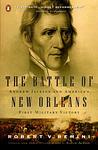
2. The Battle Of New Orleans
Andrew Jackson and America's First Military Victory
The book provides a detailed account of the pivotal Battle of New Orleans during the War of 1812, highlighting its significance in American history. It explores the strategic maneuvers and leadership of General Andrew Jackson, who successfully defended the city against a superior British force. The narrative delves into the diverse composition of Jackson's troops, including militia, free African Americans, Native Americans, and pirates, emphasizing their crucial role in the victory. The book also examines the broader political and social implications of the battle, which bolstered American nationalism and solidified Jackson's reputation as a national hero.
-
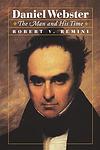
3. Daniel Webster
The Man and His Time
This biography delves into the life and legacy of one of America's most influential statesmen, exploring his pivotal role in shaping the nation's early political landscape. The narrative captures his eloquence and persuasive oratory skills, which earned him a reputation as a formidable debater and a key figure in the Senate. It examines his complex character, marked by both his profound commitment to the Union and his controversial stances on issues like slavery. Through a detailed portrayal of his personal and professional life, the book offers insights into the challenges and triumphs of a man who left an indelible mark on American history.
-
4. Henry Clay
Statesman for the Union

This comprehensive biography delves into the life and legacy of one of America's most influential statesmen, chronicling his journey from humble beginnings to becoming a pivotal figure in the early 19th-century political landscape. The narrative explores his role as a dynamic leader in the U.S. Senate, his efforts in shaping pivotal legislation, and his enduring commitment to preserving the Union amidst growing sectional tensions. Through detailed accounts of his political maneuvers and personal struggles, the book paints a vivid portrait of a man whose vision and eloquence left an indelible mark on the nation's history.
Purchase from Bookshop.org -
5. Troublemaker
The Life and History of Andrew Jackson
Set against the backdrop of early 19th-century America, this historical narrative delves into the tumultuous and often controversial life of a prominent political figure known for his fiery temperament and unyielding determination. The story explores his rise from humble beginnings to becoming a pivotal force in shaping the nation's political landscape, highlighting his fierce battles against entrenched interests and his unwavering commitment to his ideals. Through a blend of personal anecdotes and political intrigue, the book paints a vivid portrait of a man whose legacy continues to influence American politics today.
Purchase from Bookshop.org -
6. The House
The History of the House of Representatives
A sweeping institutional history of the U.S. House of Representatives that traces its origins in the Founding through 19th-century turmoil to its development as a modern, highly organized, and often partisan chamber. It interweaves narratives of pivotal figures, procedural innovations, and landmark conflicts—over slavery, Reconstruction, patronage, party machines, and 20th-century reforms—to show how rules, leaders, and electoral incentives shaped lawmaking and democratic practice. The account emphasizes the evolution of leadership roles and the committee system, revealing how the balance between centralized control and rank-and-file independence has both reflected and directed broader American political and social change.
-
7. John Quincy Adams
A vivid political biography that follows Adams from precocious diplomat and architect of early American foreign policy—shaping the Monroe Doctrine and negotiating the acquisition of Florida—to a frustrated and often isolated presidency undermined by the “corrupt bargain,” and finally to a long, passionate second career in the House of Representatives where he became a leading opponent of slavery, a stalwart defender of civil liberties (most famously in the Amistad case), and a persistent voice for national principle; drawing on correspondence and government records, the book portrays a brilliant, principled but aloof statesman whose integrity limited his political popularity even as it cemented his lasting influence on American institutions.
-
8. Andrew Jackson And The Course Of American Freedom, 1822 1832. Vol. Ii.
1822–1832
A meticulous political narrative that follows a dominant figure from his consolidation of regional power to his emergence as a national leader, chronicling the campaigns, crises, and decisions that reshaped the presidency and American politics between 1822 and 1832. The book examines his populist appeal and party-building, the use of patronage and patronship to create a durable political coalition, and his confrontations with entrenched interests — most notably the battle with the Second Bank of the United States and the handling of nullification and states’ rights. It also covers the administration’s Indian removal policy and the legal and moral controversies it provoked, as well as the evolving media, electoral, and institutional frameworks that accompanied the expansion of popular democracy, painting a complex portrait of a leader whose methods and outcomes profoundly altered the course of the republic.
-
9. Andrew Jackson And The Course Of American Empire 1776 1821. Course Of American Freedom 1822 1832. 2 Vols. 1977 & 1981
A comprehensive two-volume biography that traces the rise of a rough-hewn frontier figure into a dominant and divisive national leader, portraying his military exploits, political ascent, and transformative presidency; it examines his role in expanding executive power, forging a new popular democratic style, fighting the national bank, enforcing Indian removal, and shaping the course of American nationalism and sectional tensions, while balancing admiring portraits of his energy and leadership with critical analysis of his authoritarian tendencies and lasting controversies.
Purchase from Bookshop.org -
10. Andrew Jackson And The Course Of The American Empire, 1767 1821 Volume I
1767–1821
This volume traces the rise of Andrew Jackson from his frontier birth and Revolutionary War orphanhood through his legal and militia career in Tennessee and his emergence as a national military leader, showing how his rugged personal character, wartime experiences (including the Creek War and the Battle of New Orleans), and political alliances shaped his outlook and ambitions; the narrative places Jackson within the broader context of early American expansion, sectional tensions, Indian-white relations, and the evolution of republican institutions, explaining how the events and controversies of 1767–1821 forged both a powerful public figure and the contours of a changing American polity.
Purchase from Bookshop.org -
11. The Life Of Andrew Jackson
A comprehensive political and personal portrait that follows the rise of a frontier-born lawyer and military hero to the nation’s highest office, detailing his military triumphs (notably at New Orleans), populist appeal, and transformative yet controversial presidency; it examines his fierce battles with the national bank and political elites, his assertive expansion of executive power, and the policies—most tragically Indian Removal—that have left a lasting moral and historical stain, concluding with an assessment of a complex legacy as both a champion of the common man and a divisive, authoritarian figure.
Purchase from Bookshop.org