Thomas L. Friedman
Thomas L. Friedman is an American political commentator and author. He is a three-time Pulitzer Prize winner and writes a weekly column for The New York Times. Friedman is known for his works on globalization, foreign affairs, and environmental issues.
Books
This list of books are ONLY the books that have been ranked on the lists that are aggregated on this site. This is not a comprehensive list of all books by this author.
-
1. From Beirut to Jerusalem
Updated with a New Chapter
This book is a comprehensive exploration of the Middle East and its complex history, politics, and conflicts, written by a journalist who spent a decade in the region. The author offers an insightful analysis of the Lebanese civil war, the Israeli-Palestinian conflict, and the broader regional dynamics, providing an in-depth understanding of the issues from a personal perspective. The book combines historical research, political analysis, and personal anecdotes, making it an engaging and informative read for anyone interested in Middle Eastern affairs.
The 9265th Greatest Book of All TimePurchase from Bookshop.org or Amazon -
2. Hot, Flat, And Crowded
Why We Need a Green Revolution—and How It Can Renew America
This book delves into the complex interplay between global warming, globalization, and population growth, arguing that the convergence of these three forces has created a world that is 'hot, flat, and crowded.' The author emphasizes the urgent need for a green revolution, advocating for the United States to lead the way in adopting more sustainable energy practices and technologies. Through a mix of reporting, analysis, and advocacy, the book presents a compelling case for how embracing green energy not only addresses environmental challenges but also can drive economic growth and maintain the country's competitive edge in the global market.
The 12402nd Greatest Book of All TimePurchase from Amazon -
3. The World Is Flat
A Brief History of the Twenty-First Century
This book presents a compelling analysis of globalization in the early 21st century, arguing that the world has become "flat" through technological and political changes that have removed barriers to international trade and communication. The author explores how these changes have allowed individuals and companies from all over the globe to compete and collaborate in ways that were previously impossible, fundamentally altering economies, societies, and the balance of power. Through a series of anecdotes and analyses, the book examines the forces flattening the world, the implications for governments, businesses, and individuals, and the challenges and opportunities presented by this new global landscape.
The 14390th Greatest Book of All TimePurchase from Amazon -
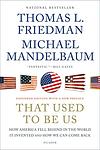
4. That Used To Be Us
How America Fell Behind in the World It Invented and How We Can Come Back
This book offers a critical analysis of the major challenges facing the United States, including globalization, the revolution in information technology, the nation's chronic deficits, and its pattern of excessive energy consumption. The authors argue that the country has lost its way in addressing these issues, which are crucial for maintaining its global leadership and economic vitality. Through a combination of historical insight and contemporary analysis, the book not only diagnoses the problems but also presents a series of recommendations for how the United States can regain its competitive edge and ensure its future prosperity. The narrative is a call to action for leaders and citizens alike to embrace innovation, education, and sustainable practices as pathways to a more successful and resilient nation.
The 14554th Greatest Book of All TimePurchase from Amazon -
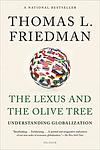
5. The Lexus And The Olive Tree
Understanding Globalization
This insightful work explores the complex dynamics of globalization, illustrating how the rapid spread of technology and free-market capitalism is reshaping the world. It delves into the tension between the drive for economic prosperity and the preservation of cultural identity, symbolized by the contrasting images of the Lexus, representing modernity and innovation, and the olive tree, symbolizing tradition and roots. Through a blend of personal anecdotes, historical analysis, and economic theory, the book provides a comprehensive understanding of the forces shaping the global landscape and the challenges and opportunities they present for individuals and nations alike.
The 17174th Greatest Book of All Time