Noam Chomsky
Noam Chomsky is a renowned linguist, philosopher, cognitive scientist, historian, social critic, and political activist. He is often referred to as the father of modern linguistics and is also a major figure in analytic philosophy. Chomsky has authored over 100 books on topics such as linguistics, war, politics, and mass media.
Books
This list of books are ONLY the books that have been ranked on the lists that are aggregated on this site. This is not a comprehensive list of all books by this author.
-
1. Reflections On Language
This insightful work delves into the intricate nature of human language, exploring its profound implications on cognitive science and philosophy. It challenges conventional views by presenting the idea that language is an innate faculty, deeply embedded in the human mind, rather than a learned behavior. Through a series of essays, it examines the relationship between language and thought, the limitations of linguistic theory, and the broader impact of linguistic structures on human understanding. The book invites readers to reflect on the complexities of language and its pivotal role in shaping human experience and knowledge.
The 5293rd Greatest Book of All TimePurchase from Bookshop.org or Amazon -
2. Language And Mind
The book explores the intricate relationship between language and human cognition, delving into the nature of linguistic structures and their role in shaping thought processes. It introduces the concept of a universal grammar, suggesting that the ability to acquire language is innate to humans and rooted in our biological makeup. The work also examines the implications of linguistic theory for understanding the mind, arguing that language is a window into the cognitive capabilities that distinguish humans from other species. Through a series of essays, it challenges traditional views and offers a groundbreaking perspective on the interplay between language, thought, and human nature.
The 9148th Greatest Book of All TimePurchase from Bookshop.org or Amazon -
3. Manufacturing Consent
The Political Economy of the Mass Media
The book explores how the mass media in the United States serves as a propaganda system that promotes the interests of the elite economic, political, and social groups. It introduces the "propaganda model" to explain the forces behind media biases, arguing that the concentration of media ownership, the influence of funding sources, and the reliance on official information sources result in a systematic filtering of news that supports the agendas of those in power. Through detailed case studies, the authors demonstrate how this model leads to media coverage that often obscures important truths and shapes public opinion in ways that benefit the dominant elite groups at the expense of democratic discourse.
The 13506th Greatest Book of All TimePurchase from Bookshop.org or Amazon -
4. Syntactic Structures
This groundbreaking work introduces the theory of generative grammar, revolutionizing the study of linguistics by arguing that the structure of language is innate to the human mind rather than learned through social interaction. The book presents a new approach to the study of language, suggesting that linguistic structures are not simply mirrors of social realities but are governed by universal rules and principles. It also introduces the concept of transformational-generative grammar, a framework for describing the syntactic structures of language.
The 14201st Greatest Book of All TimePurchase from Bookshop.org or Amazon -
5. The Fateful Triangle
The United States, Israel, and the Palestinians
"The Fateful Triangle" explores the complex relationships and political dynamics between the United States, Israel, and Palestine. The book critically examines how U.S. foreign policy, particularly its unwavering support for Israel, has impacted the Israeli-Palestinian conflict. Through a detailed analysis of historical events, media coverage, and political rhetoric, the author argues that this triangular relationship has perpetuated injustice and hindered a peaceful resolution in the Middle East. The work challenges readers to reconsider the narratives commonly accepted in Western media and political discourse, advocating for a more nuanced and equitable approach to Middle Eastern politics.
The 17161st Greatest Book of All TimePurchase from Amazon -
6. The Climate Crisis And The Global Green New Deal
The Political Economy of Saving the Planet

This compelling work delves into the urgent environmental challenges facing our planet, advocating for a transformative approach to address the climate crisis. It emphasizes the necessity of a comprehensive, global Green New Deal that prioritizes sustainable development, equitable economic policies, and international cooperation. The book critiques current political and economic systems, arguing that they exacerbate environmental degradation and social inequality. It calls for a radical shift in how societies operate, urging collective action to avert ecological disaster and ensure a just and sustainable future for all.
The 17161st Greatest Book of All TimePurchase from Bookshop.org -
7. Hegemony Or Survival
America's Quest for Global Dominance
The book critically examines the United States' foreign policy and its pursuit of global dominance, arguing that this quest for hegemony poses significant threats to international peace and security. It explores how U.S. actions, driven by political and economic interests, often undermine democratic principles and human rights, leading to widespread instability and resentment. The author warns that such a trajectory could ultimately lead to catastrophic consequences, urging a reevaluation of priorities towards more cooperative and sustainable global relations.
-
8. Requiem For The American Dream
The 10 Principles of Concentration of Wealth & Power
The book presents a critical analysis of the increasing concentration of wealth and power in the United States, arguing that this trend undermines democracy and erodes the middle class. Through a series of interviews, the author outlines ten principles that have led to this imbalance, including reducing democracy, shaping ideology, and shifting the burden of taxation. The work highlights how corporate interests and political elites manipulate policies to serve their own ends, resulting in economic inequality and social injustice. It serves as a call to action for citizens to reclaim democratic control and work towards a more equitable society.
-
9. Consequences Of Capitalism
Manufacturing Discontent and Resistance
The book explores the profound impact of neoliberal capitalism on global societies, highlighting how economic and political systems are manipulated to benefit the elite at the expense of the majority. It delves into the mechanisms of power and control, examining how media and propaganda shape public perception and maintain the status quo. The authors argue for the necessity of grassroots activism and solidarity to challenge these entrenched systems, advocating for a more equitable and just society. Through a critical analysis of historical and contemporary events, the book underscores the urgent need for systemic change to address social and economic injustices.
-
10. On Palestine
No sub-title available
The book explores the complex and ongoing conflict between Israel and Palestine, offering a critical analysis of the political, historical, and social factors that have shaped the region. It delves into the power dynamics at play, particularly focusing on the role of the United States in supporting Israeli policies. Through a series of discussions, the authors advocate for a more equitable and just resolution to the conflict, emphasizing the importance of international solidarity and the recognition of Palestinian rights. The work challenges mainstream narratives and encourages readers to consider alternative perspectives on achieving peace and justice in the region.
-
11. Who Rules The World?
The book critically examines the dynamics of global power, focusing on how political and economic elites influence international affairs. It explores the role of the United States in shaping global policies, often prioritizing corporate and elite interests over democratic principles and human rights. The author delves into historical and contemporary events to illustrate how power structures perpetuate inequality and conflict, urging readers to question mainstream narratives and consider the impact of these power dynamics on global justice and peace.
-
12. Understanding Power
The Indispensable Chomsky
The book presents a series of discussions and interviews with a renowned intellectual, exploring the dynamics of power and its influence on society, politics, and media. Through a critical lens, it examines how power structures manipulate public perception, control information, and perpetuate inequality. The conversations delve into historical and contemporary events, offering insights into the mechanisms of control and the potential for grassroots movements to challenge and change the status quo. The work encourages readers to question authority and seek a deeper understanding of the forces shaping the world.
-
13. Gaza In Crisis
Reflections on Israel's War Against the Palestinians
This insightful work delves into the complex and often contentious issues surrounding the Israeli-Palestinian conflict, focusing on the humanitarian and political crisis in Gaza. It critically examines the historical context, the impact of Israeli policies, and the role of international actors in perpetuating the ongoing strife. Through a blend of rigorous analysis and compelling narratives, the book sheds light on the struggles faced by the Palestinian people, the geopolitical dynamics at play, and the urgent need for a just and lasting resolution to the conflict.
-
14. Autoridad Ilegítima
Sobre el abuso de poder y el ataque a la democracia
In this thought-provoking analysis, the author delves into the dynamics of power and control, scrutinizing how authority is often wielded without legitimacy. Through a series of essays, the book explores the mechanisms by which institutions, governments, and corporations maintain dominance, often at the expense of individual freedoms and democratic principles. The author challenges readers to question the status quo, urging a critical examination of the structures that govern society and advocating for a more equitable distribution of power.
-
15. On Power And Ideology
The Managua Lectures
This thought-provoking work delves into the intricate relationship between political power and ideological control, exploring how dominant institutions shape public perception and maintain authority. Through a series of lectures, the author critically examines the mechanisms by which governments and elites manipulate information and discourse to perpetuate their interests, often at the expense of truth and justice. The book challenges readers to question the narratives presented by those in power and encourages a deeper understanding of the socio-political forces that influence global events and policies.
-
16. Global Discontents
Conversations on the Rising Threats to Democracy
In this compelling collection of interviews, the renowned intellectual delves into the pressing issues facing the world today, offering a critical examination of global politics and economics. Through insightful dialogue, he explores the roots of widespread discontent, highlighting the influence of corporate power, the erosion of democracy, and the impact of neoliberal policies on ordinary citizens. The discussions provide a thought-provoking analysis of how these forces shape international relations and contribute to social and economic inequalities, urging readers to consider the possibilities for meaningful change and resistance.
-
17. On Democracy & Education
This insightful work delves into the intricate relationship between democratic ideals and the educational systems that shape society. It critically examines how education can either empower individuals to participate meaningfully in democratic processes or serve as a tool for maintaining existing power structures. Through a blend of historical analysis and contemporary critique, the text argues for a transformative approach to education that fosters critical thinking, encourages active citizenship, and challenges the status quo, ultimately advocating for a more equitable and participatory society.
-
18. Chomsky On Anarchism
No sub-title available
This insightful collection of essays and interviews delves into the principles and practices of anarchism, exploring its historical roots and contemporary relevance. The author, a renowned linguist and political thinker, articulates a vision of society that emphasizes decentralized power, voluntary cooperation, and mutual aid. Through a critical examination of state power and capitalist structures, the text advocates for a more equitable and just world, challenging readers to rethink traditional notions of authority and governance. The work serves as both an introduction to anarchist thought and a compelling argument for its application in modern society.
-
19. Hopes And Prospects
In this insightful collection of essays, the author delves into the intricate dynamics of global politics and economics, offering a critical examination of the power structures that shape our world. Through a blend of historical analysis and contemporary critique, the work explores the persistent challenges faced by developing nations, the influence of corporate interests, and the role of the United States in international affairs. The narrative is both a call to action and a beacon of hope, urging readers to consider the possibilities for a more equitable and just global society.
-
20. How The World Works )
An Introduction to the Ideas of Noam Chomsky
This insightful work delves into the intricate mechanisms of global power dynamics, offering a critical analysis of political and economic structures that shape our world. Through a collection of interviews and essays, it explores themes such as media manipulation, corporate influence, and the disparity between public perception and reality. The book challenges conventional narratives, encouraging readers to question the status quo and consider the underlying forces that govern international relations and domestic policies. It serves as a compelling call to awareness and action, urging individuals to engage with the world more critically and consciously.
-
21. Chomsky & Mujica
On Western Terrorism: From Hiroshima to Drone Warfare
In a compelling dialogue, two influential figures engage in a profound exploration of contemporary global issues, delving into topics such as social justice, economic inequality, and the role of power in shaping societies. Through their insightful exchange, they challenge prevailing narratives and offer a vision for a more equitable and sustainable world, drawing from their rich experiences and diverse perspectives. Their conversation serves as a call to action, urging readers to critically examine the structures that govern our lives and to envision transformative change.
-
22. Nuclear War And Environmental Catastrophe
A Conversation with Laray Polk
This thought-provoking work delves into the dual existential threats facing humanity: nuclear warfare and environmental degradation. Through a series of insightful discussions, it explores the historical, political, and social factors that have led to these crises, emphasizing the urgent need for global awareness and action. The book underscores the interconnectedness of these issues and calls for a collective responsibility to avert potential disasters, advocating for informed public engagement and policy changes to secure a sustainable future for the planet.
-
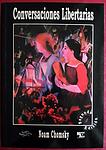
23. Conversaciones Libertarias Con Noam Chomsky
This insightful dialogue delves into the principles of libertarian socialism, exploring the intersections of power, freedom, and justice in contemporary society. Through a series of thought-provoking conversations, the book challenges conventional political paradigms, advocating for a more equitable and participatory form of governance. It critiques the prevailing economic systems and highlights the importance of grassroots movements in fostering genuine democratic change. The discussions are rich with historical context and philosophical depth, offering a compelling vision for a more just and humane world.
-
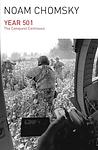
24. Year 501
The Conquest Continues
This compelling work delves into the historical and ongoing patterns of Western imperialism, examining how powerful nations have systematically exploited weaker regions under the guise of spreading civilization and democracy. The narrative critically analyzes the economic and political strategies employed by dominant powers to maintain control over global resources and influence, highlighting the stark contrast between the rhetoric of humanitarianism and the reality of oppression and exploitation. Through a meticulous examination of historical events and policies, the book challenges readers to reconsider the true motives behind international interventions and the persistent legacy of colonialism in shaping the modern world.
-
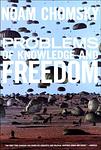
25. Problems Of Knowledge And Freedom
The Russell Lectures
In this thought-provoking work, the author delves into the intricate relationship between knowledge and freedom, exploring how power structures influence and often distort our understanding of truth. Through a critical examination of intellectual and political systems, the text challenges readers to consider the ways in which authority can manipulate information to maintain control. The author advocates for a more liberated and informed society, urging individuals to question dominant narratives and seek out authentic knowledge as a means of achieving true freedom.
-
26. What We Say Goes
Conversations on U.S. Power in a Changing World
In this compelling collection of interviews, the author delves into the intricacies of global politics, examining the influence of powerful nations on world affairs. Through a critical lens, the discussions explore themes of imperialism, economic dominance, and the manipulation of public opinion. The conversations reveal the often-hidden motives behind foreign policies and the impact of these actions on global justice and human rights. The work serves as a thought-provoking critique of the status quo, urging readers to question the narratives presented by those in power and to consider the broader implications of political decisions.
-
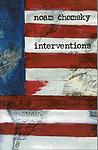
27. Interventions
A Life in War and Peace
This insightful collection of essays delves into the intricacies of global politics, offering a critical examination of U.S. foreign policy and its implications on international relations. The author meticulously dissects various interventions, highlighting the often overlooked consequences of military and economic actions on global stability and human rights. Through a blend of historical analysis and contemporary critique, the work challenges readers to reconsider the narratives presented by mainstream media and to question the ethical dimensions of power and influence in the modern world.
-
28. La Educación
The book delves into the intricate dynamics of education systems, critiquing how they often serve as tools for maintaining societal hierarchies rather than fostering genuine intellectual growth and critical thinking. It explores the tension between institutionalized education and the pursuit of knowledge, advocating for a more liberating and empowering approach to learning that encourages questioning and creativity. Through a series of essays and discussions, it challenges readers to reconsider the purpose of education and its role in shaping both individual consciousness and broader societal structures.
-
29. Necessary Illusions
Thought Control in Democratic Societies
This thought-provoking work delves into the intricate dynamics of media and democracy, exploring how powerful institutions manipulate public perception to maintain control. It argues that the media serves as a tool for elite interests, shaping narratives to manufacture consent among the populace. Through a critical examination of historical and contemporary examples, the book challenges readers to question the authenticity of the information they consume and to recognize the underlying biases that influence public discourse. It ultimately calls for a more informed and engaged citizenry to uphold the principles of a truly democratic society.
-
30. The Architecture Of Language
This insightful work delves into the intricate structures and principles underlying human language, exploring the innate linguistic capabilities that distinguish humans from other species. It examines the universal grammar theory, suggesting that all languages share a common structural basis rooted in the human brain. Through a series of lectures and discussions, the text challenges traditional linguistic theories, offering a revolutionary perspective on how language is acquired and processed. The book also addresses the implications of these ideas for understanding the nature of the human mind and cognition.
-
31. The New Military Humanism
Lessons from Kosovo
In this incisive critique, the author examines the concept of humanitarian intervention, particularly focusing on the NATO bombing of Yugoslavia in 1999. The narrative challenges the prevailing narrative that such military actions are purely altruistic, arguing instead that they often serve the strategic interests of powerful nations under the guise of moral responsibility. Through a detailed analysis of media portrayal and political rhetoric, the book questions the ethical implications of using military force as a tool for humanitarian purposes, urging readers to reconsider the true motivations behind such interventions.
-
32. Rogue States
The Rule of Force in World Affairs
In this incisive critique, the author delves into the dynamics of global power, examining how certain nations, particularly the United States, often act unilaterally and in defiance of international norms. The narrative explores the concept of "rogue states," challenging the conventional understanding by suggesting that the term can be applied to powerful countries that engage in aggressive foreign policies, economic coercion, and military interventions. Through a series of case studies and historical analyses, the book argues for a reevaluation of how global justice and human rights are pursued, urging readers to question the moral and ethical implications of state actions on the world stage.
-
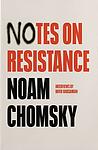
33. Notes On Resistance
In this thought-provoking exploration, the author delves into the intricate dynamics of power, authority, and dissent, offering a critical examination of how resistance movements have shaped and been shaped by the socio-political landscapes they inhabit. Through a series of essays, the narrative weaves together historical and contemporary examples, highlighting the enduring struggle for justice and equality against oppressive systems. The work challenges readers to reconsider their understanding of activism, urging them to recognize the importance of informed and strategic resistance in the pursuit of a more equitable world.
-
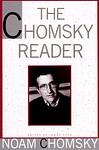
34. The Chomsky Reader
This collection of essays and interviews delves into the profound insights of a renowned linguist and political thinker, exploring themes of language, power, and media. It offers a critical examination of the structures that shape human communication and societal norms, while also addressing the intricate relationship between language and thought. The work challenges conventional perspectives, encouraging readers to question authority and consider the broader implications of political and media narratives on public consciousness.
Purchase from Bookshop.org -
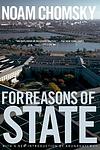
35. For Reasons Of State
This thought-provoking work delves into the intricate dynamics of power and governance, critically examining the mechanisms through which states justify their actions under the guise of national interest. It explores the interplay between political authority and public consent, shedding light on the often opaque processes that shape policy decisions. Through a meticulous analysis of historical and contemporary events, the book challenges readers to question the ethical implications of state actions and the narratives constructed to maintain control, urging a reevaluation of the relationship between citizens and their governments.
Purchase from Bookshop.org -
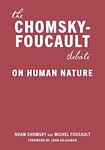
36. The Chomsky Foucault Debate
On Human Nature
In this engaging and thought-provoking exchange, two of the 20th century's most influential intellectuals delve into the nature of human knowledge, power, and justice. Through a series of debates, they explore the intersections of linguistics, philosophy, and politics, offering contrasting perspectives on the role of science and the potential for human progress. While one argues for the existence of universal moral principles rooted in human nature, the other challenges this notion, emphasizing the historical and cultural constructs that shape our understanding of truth and morality. This dialogue not only highlights their differing viewpoints but also invites readers to reflect on the complexities of human thought and society.
Purchase from Bookshop.org -
37. Internationalism Or Extinction
In this thought-provoking work, the author delves into the pressing global challenges that threaten humanity's survival, emphasizing the urgent need for international cooperation and solidarity. The book explores the catastrophic consequences of nuclear proliferation, climate change, and economic inequality, arguing that these issues transcend national borders and require a collective response. Through a critical analysis of political and economic systems, the author advocates for a shift towards a more equitable and sustainable world order, warning that failure to act could lead to dire consequences for future generations.
Purchase from Bookshop.org -
38. The Essential Chomsky
Selected Writings on Politics, Society, and Culture
This comprehensive collection brings together a selection of essays and interviews that span the influential thinker's career, offering insights into his groundbreaking work in linguistics, philosophy, and political activism. The compilation delves into topics such as the nature of language, the role of intellectuals in society, and critiques of media and power structures, providing a thorough overview of his contributions to understanding human cognition and social justice. Through a blend of theoretical exploration and practical analysis, the work challenges readers to question prevailing narratives and consider alternative perspectives on global issues.
Purchase from Bookshop.org -
39. Media Control
The Spectacular Achievements of Propaganda
This insightful work delves into the intricate mechanisms through which powerful entities manipulate public opinion and shape societal narratives. It explores the concept of "manufacturing consent," where media outlets, often influenced by corporate and governmental interests, subtly guide the public's perception of reality. By dissecting historical and contemporary examples, the book highlights how information is selectively presented to maintain control over the masses, fostering a passive acceptance of the status quo. Through a critical lens, it challenges readers to question the authenticity of the information they consume and encourages a more discerning approach to understanding media's role in democracy.
Purchase from Bookshop.org -
40. What Kind Of Creatures Are We?
None
This thought-provoking work delves into the essence of human nature, exploring the unique cognitive capacities that distinguish humans from other species. It examines the intricacies of language, the nature of knowledge, and the limits of human understanding, drawing on insights from philosophy, linguistics, and cognitive science. The book challenges readers to reflect on the profound questions of what it means to be human, the potential and limitations of our intellectual capabilities, and the ethical implications of our actions in the world.
Purchase from Bookshop.org -
41. Because We Say So
This collection of essays delves into the intricacies of global politics, economics, and media, offering a critical examination of the power dynamics that shape our world. Through a series of incisive analyses, the author challenges the narratives propagated by political elites and mainstream media, highlighting the often-overlooked consequences of foreign policy decisions and economic practices. The work serves as a call to action, urging readers to question authority, seek truth, and advocate for justice and equality in an increasingly complex global landscape.
Purchase from Bookshop.org -
42. Kdo Vlada Svetu?
This insightful work delves into the intricate dynamics of global power structures, examining how political and economic elites shape world affairs to serve their interests. It critically analyzes the influence of multinational corporations, financial institutions, and government alliances in perpetuating inequality and undermining democracy. Through a series of compelling arguments, the book challenges readers to reconsider the narratives presented by mainstream media and encourages a deeper understanding of the forces that govern our world.
-
43. Undocumented
This insightful work delves into the complex and often controversial topic of immigration, particularly focusing on the experiences and challenges faced by undocumented immigrants. Through a critical lens, it explores the socio-political and economic factors that drive migration, while also highlighting the systemic injustices and human rights issues that arise from current immigration policies. The narrative is both a call to action and a plea for empathy, urging readers to reconsider the narratives surrounding immigration and to advocate for more humane and equitable solutions.
-
44. Sobre El Anarquismo
This insightful work delves into the principles and philosophy of anarchism, exploring its historical roots and its relevance in contemporary society. It challenges conventional political structures and advocates for a society based on voluntary cooperation and mutual aid, free from hierarchical authority. The text provides a critical analysis of power dynamics, emphasizing the importance of individual freedom and the potential for grassroots movements to effect meaningful change. Through a series of essays, the author articulates a vision of a more equitable and just world, encouraging readers to question the status quo and consider alternative forms of social organization.
Purchase from Bookshop.org -
45. Profit Over People
Neoliberalism and Global Order
This incisive critique delves into the pervasive influence of neoliberalism on global politics and economics, highlighting how the prioritization of corporate interests and profit maximization often undermines democratic principles and social welfare. Through a series of compelling arguments, the text exposes the ways in which powerful institutions manipulate policies to favor the elite, exacerbating inequality and marginalizing the voices of ordinary citizens. It serves as a call to action for greater accountability and a more equitable distribution of resources, urging readers to question the status quo and advocate for systemic change.
-
46. Die Verantwortlichkeit Der Intellektuellen
This thought-provoking work delves into the moral and ethical responsibilities of intellectuals in society, particularly in the context of political and social issues. It critically examines how those with knowledge and influence should engage with power structures, challenge injustices, and advocate for truth and transparency. Through a series of essays, the book encourages readers to reflect on the role of intellectuals in shaping public discourse and holding authorities accountable, urging them to use their platforms to promote justice and equality.
-
47. Language And Responsibility
A collection of incisive essays and lectures arguing that human language is best explained by an innate generative capacity rather than by behaviorist or purely empiricist accounts; it defends transformational‑generative grammar, emphasizes the creativity and structural constraints of linguistic competence, critiques prevailing methodologies in psychology and linguistics, and explores the philosophical and scientific implications of studying language for our understanding of mind, knowledge, and human nature.
Purchase from Bookshop.org -
48. De Essentiële Chomsky
A compact anthology that distills the author’s most influential ideas, pairing accessible explanations of his theory of language and generative grammar with sharp critiques of state power, U.S. foreign policy, corporate media, and economic inequality; the collected essays and interviews introduce his central claims about human nature, intellectual responsibility, and the political structures that shape public life, offering a concise entry point to both his linguistic and political thought.
Purchase from Bookshop.org -
50. Anarchism, Marxism And Hope For The Future
A concise examination of the historical and theoretical tensions between anarchist and Marxist traditions, arguing for a libertarian socialist politics that rejects authoritarian centralized power in favor of decentralized, participatory institutions; it critiques state capitalism and imperialism, highlights the importance of grassroots democracy and worker self-management, and offers a cautiously optimistic vision for social transformation grounded in collective organization and resistance to entrenched elites.
-
51. 9 11
A concise, polemical examination of the September 11 attacks and their aftermath that places the events in the longer context of U.S. foreign policy, arguing that historical interventions, support for authoritarian regimes, and economic domination helped produce grievances exploited by extremists; it critiques official narratives and mainstream media coverage, warns that militarized, retributive responses risk worsening violence and eroding civil liberties, and urges public debate and policy changes that address underlying political and social causes rather than relying primarily on war and coercion.
Purchase from Bookshop.org -
52. Occupy
A concise defense of the 2011 Occupy movement that situates its protests against growing economic inequality, corporate domination of politics and a compliant media, arguing that grassroots, participatory democracy and nonviolent direct action offer the most promising means to challenge entrenched power. It examines historical and structural causes of social and economic injustice, critiques elite institutions that marginalize popular voices, and urges sustained popular engagement to rebuild more equitable and accountable political systems.
Purchase from Bookshop.org -
53. Power And Terror
Post-9/11 Talks and Interviews
A concise, polemical critique of post-9/11 U.S. foreign and domestic policy that argues the “war on terror” serves to justify long-standing patterns of military intervention, economic pressure, and support for repressive regimes; it shows how fear and media manipulation erode civil liberties and democratic debate at home while masking double standards and human-rights abuses abroad, places contemporary actions in a broader historical context of imperial power, and calls for popular activism and egalitarian alternatives to challenge entrenched state and corporate interests.
Purchase from Bookshop.org