Baruch de Spinoza
Baruch de Spinoza was a Dutch philosopher of Portuguese Sephardi origin. He is considered one of the great rationalists of 17th-century philosophy and laid the groundwork for the 18th-century Enlightenment.
Books
This list of books are ONLY the books that have been ranked on the lists that are aggregated on this site. This is not a comprehensive list of all books by this author.
-
1. Ethics
Demonstrated in Geometrical Order
"Ethics" is a philosophical work that explores complex ideas about God, the universe, human emotions, and the path to enlightenment. The book outlines a metaphysical, epistemological, and ethical system in which God and the universe are one and the same, rejecting traditional notions of a personal deity and asserting that understanding the natural world leads to peace of mind and happiness. The work delves into the nature of the human mind and its emotions, advocating for the pursuit of reason and knowledge to achieve a calm, enlightened state.
The 374th Greatest Book of All TimePurchase from Bookshop.org or Amazon -
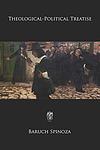
2. Tractatus Theologico Politicus
A Political Treatise
"Tractatus Theologico-Politicus" is a seminal work that explores the relationship between religion, politics, and philosophy. The author argues for the separation of theology and philosophy, asserting that the purpose of the state is to promote peace and security through rational governance, free from religious influence. He critiques the role of organized religion in politics and defends the freedom of thought and expression, advocating for a secular, democratic political order. The work also delves into biblical criticism, challenging traditional interpretations and suggesting that the Bible should be analyzed through a historical and contextual lens.
The 2149th Greatest Book of All TimePurchase from Bookshop.org or Amazon -
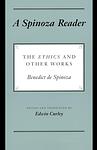
3. A Spinoza Reader
The Ethics and Other Works
The book is a comprehensive collection of Baruch de Spinoza's most significant philosophical writings, offering readers insight into his rationalist approach and metaphysical ideas. It includes selections from his major works, such as "Ethics," where Spinoza explores the nature of reality, the human mind, and the path to true happiness through understanding and virtue. The reader is guided through Spinoza's thoughts on God, nature, and the interconnectedness of all things, emphasizing his belief in the power of reason and the pursuit of intellectual and spiritual enlightenment.
-
4. Tratado Teológico Político
A Treatise on the Emendation of the Intellect

This seminal work explores the intricate relationship between religion, politics, and philosophy, advocating for the separation of church and state to ensure freedom of thought and expression. It delves into the interpretation of scripture, arguing for a rational and historical approach to understanding religious texts, while critiquing the dogmatic and authoritarian tendencies of organized religion. The text champions democratic governance and the importance of individual liberty, positing that true piety and societal harmony arise from a foundation of reason and open discourse.
-
5. On The Improvement Of The Understanding
The work outlines a program for correcting and perfecting the human mind by identifying and removing inadequate ideas and false beliefs and by building knowledge from clear, distinct ideas and first causes; it criticizes reliance on authority and imagination, analyzes the role of language and signs, distinguishes three kinds of knowledge—imagination (opinion), reason (demonstrative knowledge), and intuitive knowledge—and proposes a disciplined method of careful definition, demonstration, and attention to causal relations that aims to produce adequate ideas, secure true knowledge, and promote intellectual freedom and blessedness.
Purchase from Bookshop.org