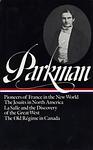
Francis Parkman
Francis Parkman was an American historian, best known for his works on the French and Indian War and the Oregon Trail. His detailed narratives and vivid descriptions have made significant contributions to the field of American history.
Books
This list of books are ONLY the books that have been ranked on the lists that are aggregated on this site. This is not a comprehensive list of all books by this author.
-
1. The Oregon Trail
Sketches of Prairie and Rocky-Mountain Life
"The Oregon Trail" is a historical account of a two-and-a-half month summer tour in 1846 of the U.S. states of Nebraska, Kansas, Colorado, and Wyoming. The book captures the experiences of the author and his companion as they journey from St. Louis to the Rocky Mountains and back. The narrative is rich with descriptions of the landscapes, wildlife, and people they encounter, including several Native American tribes. The book provides a vivid depiction of the West before industrialization and settlement.
The 5857th Greatest Book of All TimePurchase from Amazon -
2. France And England In North America
A Series of Historical Narratives
This historical work offers a comprehensive examination of the complex and often turbulent relationship between France and England as they vied for dominance in North America from the sixteenth through the eighteenth centuries. The narrative delves into the exploration, colonization, and eventual conflicts that arose between the two European powers, highlighting the roles of key figures and the impact of their struggles on the indigenous populations. The series of volumes meticulously details the political maneuvers, military engagements, and cultural clashes that ultimately shaped the continent's colonial landscape and set the stage for the future of the United States and Canada.
The 5863rd Greatest Book of All TimePurchase from Amazon -
3. La Salle And The Discovery Of The Great West
A Historical Narrative
This historical narrative delves into the adventurous and ambitious life of the French explorer, René-Robert Cavelier, Sieur de La Salle, as he embarks on a daring expedition to explore and claim the vast territories of the Mississippi River and the Great Lakes region for France. The story captures the challenges and triumphs faced by La Salle and his companions, highlighting the intricate dynamics of European colonial ambitions, Native American alliances, and the relentless pursuit of discovery in the uncharted wilderness of North America during the late 17th century. Through meticulous research and vivid storytelling, the narrative paints a compelling portrait of exploration, resilience, and the indomitable spirit of one of history's most enigmatic explorers.
The 15915th Greatest Book of All TimePurchase from Bookshop.org or Amazon -
4. Pioneers Of France In The New World

A vivid narrative of the early French ventures in North America that traces the explorers, traders, missionaries, and settlers who crossed the Atlantic in the 16th and 17th centuries; it recreates voyages and the founding of settlements such as Quebec, the alliances and conflicts with Indigenous peoples, the hardships of wilderness life, and the political, commercial and religious motives that drove colonization, all rendered with close attention to landscape, character, and the cultural clashes that shaped New France.
Purchase from Bookshop.org -
5. Francis Parkman
Francis Parkman Jr. (September 16, 1823 – November 8, 1893) was an American historian, best known as author of The Oregon Trail: Sketches of Prairie and Rocky-Mountain Life and his monumental seven-volume France and England in North America. These works are still valued as historical sources and as literature. He was also a leading horticulturist, briefly a professor of horticulture at Harvard University and author of several books on the topic. Parkman wrote essays opposed to legal voting for women that continued to circulate long after his death. Parkman was a trustee of the Boston Athenæum from 1858 until his death in 1893.
-
6. The Francis Parkman Reader
A curated selection of 19th-century narrative history and travel writing that brings to life colonial North America’s clashes and journeys, presenting dramatic accounts of French-English rivalry, frontier warfare, exploration of the transcontinental trails, and encounters with Indigenous peoples. Combining meticulous archival detail with literary description, the pieces emphasize vivid landscapes, military campaigns, and the complexities of cultural contact, offering both a portrait of imperial expansion and an example of the period’s historical style and influence.