John F. Kennedy
John F. Kennedy, often referred to by his initials JFK, was the 35th President of the United States, serving from January 1961 until his assassination in November 1963. He is known for his charismatic leadership, the Cuban Missile Crisis, the establishment of the Peace Corps, and his vision for the American space program.
Books
This list of books are ONLY the books that have been ranked on the lists that are aggregated on this site. This is not a comprehensive list of all books by this author.
-
1. Profiles in Courage
Decisive Moments in the Lives of Celebrated Americans
This book highlights the stories of eight U.S. Senators who displayed immense courage and integrity in the face of pressure from their parties and constituents. The author examines their acts of bravery and principle, often leading to severe consequences in their personal and political lives. The book aims to inspire readers with historical examples of political courage, emphasizing the importance of individual action for the collective good.
The 3455th Greatest Book of All TimePurchase from Bookshop.org or Amazon -
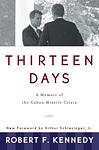
2. Thirteen Days
A Memoir of the Cuban Missile Crisis
Set during the height of the Cold War, this gripping narrative offers an insider's perspective on the Cuban Missile Crisis, a pivotal moment in history when the world teetered on the brink of nuclear war. Through the eyes of a key participant, the story unfolds over thirteen tense days in October 1962, detailing the intense deliberations and strategic maneuvers within the highest echelons of the U.S. government. The account highlights the delicate balance of diplomacy, the weight of leadership, and the profound responsibility of decision-making under immense pressure, ultimately showcasing the triumph of cautious negotiation over catastrophic conflict.
-
4. The Real Anthony Fauci
Bill Gates, Big Pharma, and the Global War on Democracy and Public Health

A polemical account that accuses a long‑time U.S. infectious‑disease official of prioritizing pharmaceutical interests, suppressing scientific dissent, and contributing to public‑health failures during outbreaks; the book weaves investigative claims, selective citations, and contested interpretations to argue alleged conflicts of interest and misconduct, and has been widely criticized and fact‑checked by experts and journalists for factual errors, misleading assertions, and unsupported conclusions.