Tony Judt
Tony Judt was a British historian, essayist, and university professor who specialized in European history. He was known for his works on the history of Europe in the 20th century and his critiques of contemporary political issues.
Books
This list of books are ONLY the books that have been ranked on the lists that are aggregated on this site. This is not a comprehensive list of all books by this author.
-
1. Postwar
A History of Europe Since 1945
"Postwar" is a comprehensive analysis of the history of Europe from the end of World War II to the early 21st century. The book examines the major political, cultural, social, and economic changes that have shaped the continent, including the Cold War, the rise and fall of the Soviet Union, the rebuilding of Western Europe, and the challenges of integrating Eastern Europe into the European Union. It also delves into the impact of these events on the daily lives of Europeans, exploring themes of memory, identity, and the struggle to come to terms with the past.
The 1638th Greatest Book of All TimePurchase from Bookshop.org or Amazon -
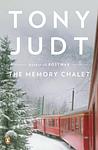
2. The Memory Chalet
The book is a poignant and reflective memoir that captures the author's life and thoughts as he grapples with a debilitating illness. Through a series of vivid, meticulously crafted essays, he revisits his past, exploring themes of memory, history, and identity. The narrative weaves together personal anecdotes, cultural observations, and intellectual insights, offering a rich tapestry of experiences and reflections that underscore the resilience of the human spirit in the face of adversity.
The 9654th Greatest Book of All TimePurchase from Amazon -
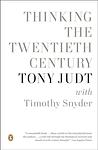
3. Thinking The Twentieth Century
Intellectuals and Politics in the Twentieth Century
This book is a profound intellectual history of the 20th century, presented through a series of engaging conversations between two eminent historians. It explores the major ideological currents of the century, including Marxism, socialism, liberalism, and fascism, while also delving into the personal experiences and reflections of one of the authors, who was facing a terminal illness during the discussions. The dialogue format allows for a dynamic exploration of how historical events, personal experiences, and intellectual debates have shaped our understanding of the modern world. Through these conversations, the book offers insights into the role of intellectuals and politicians in navigating the complex political landscapes of the 20th century, making it a compelling read for anyone interested in history, politics, and the power of ideas.
The 17163rd Greatest Book of All TimePurchase from Amazon