Andrew Miller
Andrew Miller is a British author known for his historical novels. He has won several awards, including the James Tait Black Memorial Prize and the Costa Book of the Year Award for his novel 'Pure'.
Books
This list of books are ONLY the books that have been ranked on the lists that are aggregated on this site. This is not a comprehensive list of all books by this author.
-
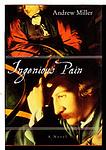
1. Ingenious Pain
The book explores the life of James Dyer, a man born in 18th century England with a peculiar condition - he cannot feel physical pain. Despite this, Dyer's life is far from painless as he navigates through various experiences, from working as a sideshow attraction to becoming a surgeon. As he encounters love, loss, and the complexities of human existence, Dyer's inability to feel pain becomes both a blessing and a curse, leading him on a journey of self-discovery and ultimately questioning the true nature of pain and its role in shaping our lives.
The 4545th Greatest Book of All TimePurchase from Amazon -
2. The Land In Winter
December 1962, in a small village near Bristol: two neighbouring young couples—one in a newly appointed doctor’s cottage, the other in a run-down farm—find themselves bound by the easy friendship of the two expectant women. When an unusually severe winter isolates them from the outside world, the enforced quiet removes everyday distractions and brings simmering resentments and unforeseen discoveries to the surface, forcing each couple to reckon with their relationships and futures.
The 11933rd Greatest Book of All TimePurchase from Bookshop.org or Amazon -
3. Pure
Set in pre-revolutionary France, the novel follows a young engineer who is tasked with demolishing an overflowing cemetery in Paris. As he undertakes this macabre task, he encounters a variety of characters, including a rebellious nun, a gravedigger, and a family living on the cemetery grounds. The book explores themes of mortality, the inevitability of progress, and the fragility of existence, all set against the backdrop of a society on the brink of dramatic change.
The 17175th Greatest Book of All TimePurchase from Amazon -
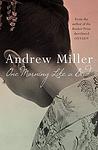
4. One Morning Like A Bird
Set against the backdrop of Tokyo in the late 1930s, the narrative follows Yuji Takano, a young poet navigating the complexities of life as Japan edges closer to war. As he grapples with personal aspirations and societal expectations, Yuji finds himself torn between his love for the arts and the mounting pressure to conform to the nationalistic fervor sweeping the country. Through his relationships with friends, family, and a burgeoning romance, Yuji's journey explores themes of identity, duty, and the inevitable loss of innocence in a world on the brink of transformation.
-
5. Xenophon's Symposium

Set in ancient Athens, this engaging narrative unfolds during a lively banquet where Socrates and his companions engage in a spirited discussion about love, virtue, and the nature of human happiness. Through witty dialogues and philosophical debates, the characters explore the complexities of human relationships and the pursuit of a meaningful life, offering readers a glimpse into the intellectual and social dynamics of classical Greece. The story captures the essence of camaraderie, intellectual curiosity, and the timeless quest for understanding one's place in the world.
Purchase from Bookshop.org -
6. Casanova
Set in the vibrant and tumultuous backdrop of 18th-century Europe, this novel follows the legendary adventurer and libertine as he navigates a world filled with intrigue, romance, and danger. The story delves into the complexities of his character, exploring the duality of his charm and cunning, as well as his relentless pursuit of pleasure and freedom. Through a series of captivating encounters and escapades, the narrative paints a vivid portrait of a man who is both a product of his time and a timeless symbol of the human desire for connection and meaning.
-
7. Puur
Set in late-18th-century Paris, the story follows a young engineer summoned to clear a centuries-old, pestilential cemetery at the city's heart; charged with removing bones and creating a new public space, he confronts physical decay, bureaucratic obstruction and local superstition. As the excavation exposes both literal and moral rot, his relationships and loyalties are tested, and the project becomes a stark meditation on mortality, social order and the fragile promise of renewal on the eve of upheaval.