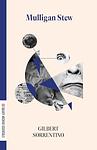
Gilbert Sorrentino
Gilbert Sorrentino was an American novelist, short story writer, poet, literary critic, and editor. He is known for his experimental and innovative writing style, and his works often explore themes of language, art, and the human condition.
Books
This list of books are ONLY the books that have been ranked on the lists that are aggregated on this site. This is not a comprehensive list of all books by this author.
-
1. Mulligan Stew
"Mulligan Stew" is a postmodern novel that centers around an unsuccessful writer, Antony Lamont, who is attempting to pen a detective novel. The book is filled with literary and cultural references, parodying various genres and styles. It also features characters from his failed novel who are aware of their fictional status and openly rebel against their creator. The narrative is non-linear and includes letters, lists, interviews, and even a short play, creating a complex and satirical exploration of the writing process.
The 17165th Greatest Book of All TimePurchase from Amazon -
2. ஆட்டுக்குட்டிகள் அளிக்கும் தண்டனை

Set in a vibrant and gritty urban landscape, this novel explores the complexities of human relationships through a series of interconnected vignettes. The narrative delves into the lives of various characters, each grappling with their own personal struggles and desires, while navigating the chaotic and often unforgiving world around them. Through sharp wit and poignant observations, the story captures the essence of human vulnerability and resilience, painting a vivid picture of the intricate dance between hope and despair.
-
3. Imaginative Qualities Of Actual Things
A sharply observant collection of essays that probes the relationship between language, imagination, and reality, arguing that fiction’s strength comes from its capacity to render actual things with imaginative intensity. With wit and formal daring, the pieces move between literary criticism and reflections on craft, challenging conventional critical categories while defending experimentation, ambiguity, and the reader’s active role in making meaning.
-
Purchase from Bookshop.org