Jean Paul Sartre
Jean-Paul Sartre was a French existentialist philosopher, playwright, novelist, political activist, biographer, and literary critic. He was one of the key figures in the philosophy of existentialism and phenomenology, and one of the leading figures in 20th-century French philosophy and Marxism.
Books
This list of books are ONLY the books that have been ranked on the lists that are aggregated on this site. This is not a comprehensive list of all books by this author.
-
1. Nausea
The novel follows a historian living in a small French town, struggling with a strange and unsettling feeling of disgust and revulsion he calls 'nausea'. He grapples with the existential dread of his own existence and the meaningless of life, continually questioning his own perceptions and the nature of reality. As he navigates through his everyday life, he is plagued by his philosophical thoughts and the overwhelming sensation of nausea, leading him to a profound existential crisis.
The 245th Greatest Book of All TimePurchase from Bookshop.org or Amazon -
2. The Words
This autobiographical work delves into the formative years of a young boy growing up in early 20th-century France, exploring the profound impact of literature and storytelling on his development. Through a reflective narrative, the protagonist examines his childhood experiences, revealing how the written word became both a refuge and a tool for self-discovery. The memoir intricately weaves themes of identity, imagination, and the quest for meaning, offering a candid glimpse into the mind of a budding intellectual grappling with the complexities of life and the power of language.
The 403rd Greatest Book of All TimePurchase from Bookshop.org or Amazon -
3. Being and Nothingness
An Essay on Phenomenological Ontology
This philosophical work delves into the concept of existentialism and phenomenology, offering an in-depth analysis of human consciousness and existence. The author argues that we are all essentially free and responsible for our actions, and that we construct our own identities through our actions and interactions with others. The book also explores the idea of 'nothingness' and 'bad faith', suggesting that we often deny our freedom and hide from the responsibility of our actions, leading to a life of inauthenticity.
The 638th Greatest Book of All TimePurchase from Bookshop.org or Amazon -
4. No Exit
A Play in One Act
The book is a profound existentialist play that delves into the human psyche and the concept of hell through the experiences of three deceased characters who find themselves trapped together in a mysterious, windowless room. As they engage in intense psychological games and confront the worst aspects of their earthly behaviors, they come to the harrowing realization that their torment comes not from any external punishment, but from each other and the eternal company they are forced to keep. The narrative explores themes of freedom, responsibility, and the often unbearable nature of human existence, encapsulated in the famous line, "Hell is other people."
The 1409th Greatest Book of All TimePurchase from Bookshop.org or Amazon -
5. Existentialism And Humanism
The book is a philosophical work that presents the core tenets of existentialist thought, emphasizing the individual's unique position as a self-determining agent responsible for the authenticity of their choices and actions. It argues that human existence precedes essence, meaning that people first exist without predetermined purpose and must then define themselves through their decisions and commitments. The text also addresses the implications of this freedom, including the weight of responsibility it places on individuals and the consequent anxiety, as well as the absence of a universal moral code. It concludes with a discussion on the role of human solidarity and the ethical considerations that arise from our interconnectedness with others.
The 2700th Greatest Book of All TimePurchase from Bookshop.org or Amazon -
6. The Roads To Freedom
Set against the backdrop of pre-World War II Europe, this philosophical novel explores the intricate lives of a group of intellectuals grappling with the concepts of freedom, choice, and responsibility. As they navigate personal and political upheavals, the characters confront existential dilemmas, questioning the essence of freedom in a world on the brink of chaos. Through their struggles, the narrative delves into the complexities of human relationships, the burden of free will, and the search for authenticity in a society fraught with uncertainty and change.
The 3638th Greatest Book of All TimePurchase from Bookshop.org or Amazon -
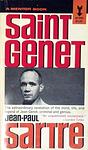
7. Saint Genet
Actor and Martyr
This philosophical treatise delves into the life and works of a controversial French writer, exploring the complex interplay between his personal experiences, his homosexuality, and his transgressive literature. The author employs existentialist and phenomenological analysis to dissect the writer's journey of self-discovery and self-creation through his provocative plays, novels, and political activism. The examination serves as a broader commentary on the nature of sainthood, martyrdom, and the role of the artist in society, ultimately framing the writer's life as a quest for freedom and authenticity against the constraints of societal norms and moral condemnation.
The 7967th Greatest Book of All TimePurchase from Amazon -
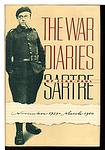
8. War Diaries
Notebooks from a Phoney War
"War Diaries" is a collection of personal notebooks kept by the philosopher during the early years of World War II, specifically from 1939 to 1940. These diaries provide a unique insight into his thoughts and feelings during this tumultuous period, capturing his reflections on the intellectual and social climate of the time. The entries delve into his philosophical musings, everyday challenges, and his observations on the impact of the war on French society and culture. Through these diaries, readers gain an intimate understanding of the author's development of existential ideas in response to the war's unfolding events.
The 8768th Greatest Book of All TimePurchase from Bookshop.org or Amazon -
9. The Flies
A Play in Three Acts
In this existentialist play, the protagonist, Orestes, returns to his hometown of Argos to avenge the murder of his father, King Agamemnon, by his mother Clytemnestra and her lover Aegisthus. Orestes grapples with themes of freedom, guilt, and responsibility as he confronts the oppressive moral and religious order imposed by the gods and the townspeople, who are plagued by remorse and symbolized by swarms of flies. Through his actions and choices, Orestes ultimately rejects divine authority and embraces his own autonomy, challenging the societal norms that bind the people of Argos.
The 8835th Greatest Book of All TimePurchase from Amazon -
10. The Family Idiot
Gustave Flaubert, 1821-1857
"The Family Idiot" is a monumental philosophical study that delves into the life and work of a famous 19th-century writer, exploring the complex interplay between his personal experiences, societal influences, and creative expression. The author employs existentialist and phenomenological analysis to dissect the subject's family dynamics, education, and psychological development, arguing that these factors significantly shaped his worldview and literary output. Through an exhaustive examination of biographical details, the author seeks to understand the essence of human freedom and the role of the individual within the broader context of history and culture, ultimately presenting a detailed portrait of a man whose life and art were deeply intertwined.
The 9358th Greatest Book of All TimePurchase from Amazon -
11. The Wall
The book in question is a profound exploration of the human condition, particularly the psychological turmoil and existential dread faced by individuals confronting their mortality. Set against the backdrop of the Spanish Civil War, it follows the story of a group of prisoners sentenced to death, focusing on their emotional responses and the philosophical introspection of the protagonist. As the characters grapple with the inevitability of their fate, the narrative delves into themes of freedom, the absurdity of existence, and the search for meaning in a seemingly indifferent universe, ultimately presenting a stark examination of the choices one makes when faced with the ultimate end.
The 9885th Greatest Book of All TimePurchase from Bookshop.org or Amazon -
12. Literature And Existentialism

This work presents a sustained defense of literature as a committed, existential act: writers and their characters embody human freedom and bear responsibility for choices, and literary creation must engage with social and political reality rather than retreat into art-for-art’s-sake. Drawing on existentialist concepts such as consciousness, nothingness, and bad faith, it treats the novel and drama as projects that disclose human possibilities, contingency, and the moral stakes of action. The aesthetic is therefore inseparable from ethics—stylistic choices matter because they reveal situations, provoke readers’ consciences, and encourage collective engagement.
The 15686th Greatest Book of All TimePurchase from Bookshop.org -
13. Anti Semite And Jew
An Exploration of the Jewish Question
The book explores the complex dynamics of anti-Semitism, examining it as a deeply ingrained social and psychological phenomenon. It delves into the mindset of the anti-Semite, who constructs a scapegoat in the Jew to avoid confronting their own insecurities and failures. The work also discusses the identity and existential struggles faced by Jews in a society that marginalizes them, highlighting the tension between assimilation and maintaining cultural identity. Through a philosophical lens, it critiques the irrationality and moral failings of prejudice, urging a more authentic and ethical engagement with others.
-
14. Iron In The Soul
Set against the backdrop of World War II, this novel delves into the existential struggles of a group of French soldiers grappling with the chaos and futility of war. As they face the impending German invasion, each character confronts their own sense of identity, freedom, and moral responsibility. The narrative explores themes of despair, courage, and the search for meaning in a world teetering on the brink of collapse, offering a profound reflection on the human condition in times of crisis.
Purchase from Bookshop.org -
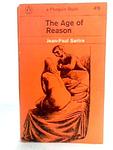
15. The Age Of Reason
Set in the turbulent backdrop of pre-World War II Paris, the narrative delves into the existential struggles of a philosophy professor grappling with the concepts of freedom and responsibility. As he navigates the complexities of personal relationships and societal expectations, he is confronted with the daunting task of making life-altering decisions that challenge his beliefs and ideals. The story intricately explores themes of existentialism, the pursuit of authenticity, and the inherent conflicts between individual desires and moral obligations, painting a vivid picture of a man caught in the throes of an existential crisis.
Purchase from Bookshop.org -
16. The Reprieve
Set against the backdrop of the Munich Agreement in 1938, this novel delves into the lives of various characters grappling with the looming threat of war. As Europe teeters on the brink of conflict, the narrative intricately weaves together the personal struggles, existential dilemmas, and political tensions faced by individuals from different walks of life. Through a series of interconnected stories, the book explores themes of fear, uncertainty, and the human condition, capturing the pervasive sense of anxiety and anticipation that permeates a world on the edge of chaos.
Purchase from Bookshop.org -
17. The Psychology Of Imagination
This seminal work delves into the intricate workings of the human mind, exploring how imagination functions as a dynamic and transformative force in shaping our perception of reality. It examines the interplay between consciousness and imagination, arguing that imagination is not merely a passive reflection of the world but an active process that constructs and reconstructs experiences. Through a philosophical lens, the text challenges traditional notions of imagination, proposing that it is a fundamental aspect of human freedom and creativity, enabling individuals to transcend the constraints of the present and envision new possibilities.
Purchase from Bookshop.org -
18. Critique Of Dialectical Reason, Vol 1
Theory of Practical Ensembles
This philosophical work delves into the complexities of human freedom and the structures of society, exploring how individuals navigate the constraints imposed by social and historical contexts. It examines the interplay between individual agency and collective structures, arguing that while humans strive for freedom, they are often entangled in a web of social relations that shape their actions and thoughts. Through a detailed analysis of dialectical reasoning, it seeks to uncover the tensions between personal autonomy and societal forces, ultimately proposing a framework for understanding the dynamic and often contradictory nature of human existence.
Purchase from Bookshop.org -
19. Les Mains Sales
Set against the backdrop of a fictional Eastern European country during World War II, this gripping play delves into the moral complexities of political activism and ideological purity. The story follows Hugo, a young intellectual who joins a communist resistance group, grappling with his own ideals and the harsh realities of revolutionary politics. As he becomes embroiled in a plot to assassinate a party leader, Hugo's internal conflict intensifies, forcing him to confront the blurred lines between personal ambition, loyalty, and the greater good. Through intense dialogue and dramatic tension, the narrative explores themes of betrayal, identity, and the existential struggle for meaning in a world fraught with ethical dilemmas.
Purchase from Bookshop.org -
20. Esquisse D'une Theorie Des Emotions
This philosophical exploration delves into the nature and origin of emotions, proposing that they are not passive experiences but rather active, intentional acts that individuals use to transform their reality. By examining emotions through a phenomenological lens, the work challenges traditional views, suggesting that emotions are a form of consciousness that people employ to navigate and manipulate their world. It argues that emotions are not mere reactions to external stimuli but are deeply intertwined with human freedom and choice, reflecting the individual's engagement with their environment and their existential condition.
-
21. Le Diable Et Le Bon Dieu
Set against the backdrop of the German Peasants' War, this philosophical drama explores the moral and existential dilemmas faced by its protagonist, Goetz, a former mercenary turned religious zealot. The narrative delves into the complexities of human nature, as Goetz grapples with the duality of good and evil within himself, questioning the authenticity of his actions and the true nature of freedom. Through a series of intense confrontations and introspective revelations, the story examines the struggle for personal redemption and the pursuit of a meaningful existence in a world rife with chaos and moral ambiguity.
-
22. اگزیستانسیالیسم و اصالت بشر
Existentialism is a Humanism
This philosophical work delves into the core principles of existentialism, emphasizing the idea that existence precedes essence, meaning individuals are not defined by any predetermined nature or purpose. It argues that humans are free and responsible for their own actions, and this freedom is both a source of anguish and empowerment. The text challenges readers to embrace their autonomy, make authentic choices, and confront the inherent absurdity of life without relying on external moral codes or divine guidance. Through this exploration, it underscores the importance of personal responsibility and the creation of one's own essence through actions and decisions.
-
23. We Have Only This Life To Live
This collection of essays and interviews offers a profound exploration of existentialism, delving into the intricacies of human freedom, responsibility, and the essence of being. Through a series of thought-provoking reflections, the work examines the complexities of individual choice and the inherent challenges of living authentically in a world often marked by absurdity and conflict. The text invites readers to confront the existential dilemmas of modern life, encouraging a deeper understanding of the self and the pursuit of meaning amidst the chaos of existence.
Purchase from Bookshop.org -
24. Witness To My Life
The Letters of Jean-Paul Sartre to Simone de Beauvoir, 1926-1939
The book offers an intimate glimpse into the personal and philosophical journey of a renowned existentialist thinker, capturing the essence of his thoughts and experiences through a series of letters. These correspondences reveal the complexities of his relationships, his evolving ideas on freedom and responsibility, and his reflections on the socio-political landscape of his time. Through candid exchanges, readers gain insight into the mind of a man grappling with the intricacies of human existence, love, and the pursuit of authenticity.
-
25. Intimacy
Set against the backdrop of existentialist philosophy, this narrative delves into the complexities of human relationships and the quest for authentic connections. The story revolves around a woman trapped in a loveless marriage, grappling with her desires and the societal constraints that bind her. Through a series of introspective reflections and interactions with her lover, she confronts the paradoxes of freedom and responsibility, ultimately seeking a deeper understanding of herself and the nature of intimacy. The narrative explores themes of alienation, self-deception, and the struggle for genuine emotional fulfillment.
Purchase from Bookshop.org -
26. What Is Literature?
This seminal work explores the role of literature in society, examining the responsibilities of writers and readers in the creation and interpretation of texts. It delves into the nature of writing as an act of communication and engagement, emphasizing the importance of freedom and choice in both the production and reception of literary works. The text argues that literature should not merely entertain but provoke thought and inspire action, challenging readers to confront their own beliefs and the world around them. Through a philosophical lens, it dissects the relationship between literature and existentialism, highlighting the power of words to shape human experience and understanding.
Purchase from Bookshop.org -
27. Siena
-
29. Die Kindheit Eines Chefs. Erzählungen
Erzählungen
Set against the backdrop of pre-World War II France, this narrative delves into the formative years of a young boy named Lucien, exploring the complexities of identity, power, and existential angst. As Lucien navigates the challenges of adolescence, he grapples with societal expectations, familial pressures, and his own burgeoning ambitions. The story intricately examines the psychological and moral development of Lucien as he transitions from innocence to a more cynical understanding of the world, ultimately questioning the nature of leadership and the essence of selfhood.
-
30. Les Jeux Sont Faits. Texte Et Documents.
Texte Et Documents
In this thought-provoking narrative, the story unfolds in a world where the dead can observe the living but cannot intervene. The protagonist, Pierre, is murdered and finds himself in the afterlife, where he meets Eve, a woman who has also recently died. As they navigate this ethereal realm, they are given a rare chance to return to the living world to rectify their unfinished business. However, they soon discover that altering their fates is more challenging than anticipated, leading to profound reflections on free will, destiny, and the nature of human existence.
-
31. Слова. Мухи. Почтительная потаскушка. За закрытыми дверями
A collection that juxtaposes an introspective memoir of a childhood shaped by language and performance with three stark dramas about freedom, guilt, and the gaze of others. Across occupied cities, Southern train cars, and a sealed afterlife salon, characters confront bad faith, social hypocrisy, racism, and the crushing weight of responsibility, discovering that liberation demands choice and its anguish. The pieces explore how identity is constructed before others, how myths of power and piety perpetuate oppression, and how escape lies not in excuses but in assuming one’s acts. Together they form a compact primer on existential freedom and its moral consequences.
-
32. De Jaren Des Onderscheids
Set on the eve of World War II, the novel follows several French characters as they confront intimate and political crossroads—decisions about love, parenthood and military service—while the looming crisis forces them to reckon with their responsibilities. Through close psychological portraits, it probes existential themes of freedom, choice, bad faith and commitment, showing how external events lay bare inner contradictions and compel moral action.
-
33. Het Oponthoud
-
Purchase from Bookshop.org
-
36. Terningerne Er Kastet
Two people who have recently died meet in the afterlife and are granted twenty-four hours back on earth to put right the injustices and unfinished business they left behind; as they try to intervene in others’ lives and assert their will, they confront entrenched social forces, personal histories, and moral ambiguity that limit the effects of their actions. The story uses their brief reprieve to probe themes of freedom, responsibility, chance versus determinism, and whether meaningful change can be achieved when fate and social structures push back.
-
37. Existentialismen är En Humanism
The essay argues that human beings have no predetermined essence and therefore must create themselves through choices—‘existence precedes essence’—making individuals radically free and wholly responsible for their actions, which produces both anguish and moral seriousness. It defends this stance against charges of despair, amorality, or subjectivism by insisting that each choice implicitly endorses a model of humanity and thus carries universal moral weight and concern for others. Emphasizing authenticity and committed action, the text urges that freedom entails responsibility for both personal projects and their wider social consequences, calling for solidarity and ethical engagement rather than resignation.
Purchase from Bookshop.org -
38. The Condemned Of Altona
In postwar Germany a wealthy bourgeois family is shaken when the youngest son, shut away in the ancestral home and haunted by the country’s recent crimes, is confronted by relatives who have their own political ambitions and moral compromises; the household’s polite veneer peels away as rivalries, hypocrisies and suppressed guilt surface, forcing each character to face questions of personal responsibility, freedom and the consequences of inaction, and driving the group toward a bitter, tragic reckoning.
Purchase from Bookshop.org -
39. L'età Della Ragione
Mathieu Delarue, a Parisian philosophy teacher on the eve of World War II, grapples with the meaning of freedom as he confronts conscription and a personal crisis when his partner becomes pregnant; torn between desire, responsibility and political uncertainty, he repeatedly fails to act decisively and is forced to face his own self-deception. The novel examines in intimate, often ironic detail how social pressures and inner contradictions limit authentic choice, exploring existential themes of responsibility, bad faith and the heavy moral consequences of action under the shadow of impending war.