Benito Pérez Galdós
Benito Pérez Galdós was a Spanish realist novelist and one of the leading literary figures in 19th-century Spain. He is best known for his series of novels known as 'Episodios Nacionales,' which depict Spanish history from the Battle of Trafalgar to the early 20th century.
Books
This list of books are ONLY the books that have been ranked on the lists that are aggregated on this site. This is not a comprehensive list of all books by this author.
-
1. Fortunata and Jacinta
Two Stories of Married Women
"Fortunata and Jacinta" is a novel set in 19th century Spain, that explores the lives of two women - Fortunata, a poor but beautiful woman, and Jacinta, a wealthy and well-bred lady. Both women are in love with the same man, a wealthy and idle individual who leads a life of debauchery. The novel offers a rich and detailed portrayal of Madrid society during the period, and the stark contrast between the lives of the rich and the poor. It raises questions about marriage, social status, and the role of women in society.
The 523rd Greatest Book of All TimePurchase from Bookshop.org or Amazon -
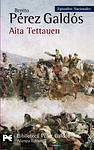
2. National Episodes
Episodios Nacionales
The book is a historical novel that vividly portrays the tumultuous events of 19th-century Spain through the eyes of various characters, blending fiction with real historical events. It captures the essence of Spanish society, politics, and culture during a period marked by wars, revolutions, and social upheaval. The narrative intricately weaves personal stories with national history, providing a rich, multi-faceted perspective on the era's significant events and the impact they had on the lives of ordinary people. Through its detailed and engaging storytelling, the book offers a profound exploration of Spain's complex historical landscape.
The 3053rd Greatest Book of All TimePurchase from Bookshop.org or Amazon -
3. Compassion
"Compassion" is a compelling narrative that explores the themes of poverty, compassion, and human morality. Set in 19th-century Spain, it follows the story of a wealthy woman who, after an encounter with a poor, blind beggar, is moved to reassess her life and the societal norms of the time. This chance meeting prompts her to question the established social order and her privileged position within it, leading to a profound personal transformation. This novel is a poignant exploration of human empathy and the societal structures that often hinder its expression.
The 3323rd Greatest Book of All TimePurchase from Bookshop.org or Amazon -
4. Doña Perfecta
This novel is a vivid portrayal of the clash between progress and tradition, set in a fictional Spanish town. The story centers around a young engineer who arrives with ideas of modernization and progress, only to find himself in conflict with the conservative and deeply religious values upheld by his aunt, the titular character, and the town's society. This conflict escalates into a dramatic struggle that exposes the hypocrisy, intolerance, and moral rigidity of the town, ultimately leading to tragic consequences. Through this narrative, the novel critiques the resistance to change and the destructive nature of fanaticism, reflecting broader social tensions within Spain during the 19th century.
The 6767th Greatest Book of All TimePurchase from Bookshop.org or Amazon -
5. Fortunata Y Jacinta Ii
Dos historias de casadas
In the continuation of the story, the novel delves deeper into the lives of its central characters, exploring themes of love, betrayal, and societal expectations in 19th-century Madrid. The narrative intricately weaves the contrasting lives of Fortunata, a passionate and impulsive woman, and Jacinta, a more reserved and conventional figure, as they navigate the complexities of their relationships with the charming yet morally ambiguous Juanito Santa Cruz. The novel paints a vivid picture of the social and cultural dynamics of the time, highlighting the struggles and resilience of its characters as they confront personal and societal challenges.
-
6. Fortunata Y Jacinta I
Dos historias de casadas
The novel explores the contrasting lives of two women in 19th-century Madrid, delving into themes of love, social class, and morality. Fortunata, a passionate and spirited woman from a humble background, becomes entangled in a tumultuous relationship with Juanito Santa Cruz, a wealthy and capricious man. Meanwhile, Jacinta, Juanito's virtuous and patient wife, struggles with her own desires and societal expectations. Through their intertwined stories, the narrative examines the complexities of human relationships and the societal norms that shape individual destinies.
-
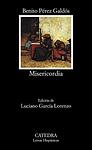
7. Misericordia
The novel explores themes of poverty, charity, and social inequality through the story of Benina, a devoted and resourceful servant who struggles to support her blind mistress, Doña Paca, amidst the harsh realities of Madrid's lower class. Despite her own dire circumstances, Benina demonstrates unwavering compassion and ingenuity, often resorting to begging and fabricating stories to secure their survival. The narrative delves into the complexities of human dignity and the moral dilemmas faced by individuals in a society marked by stark economic disparities, ultimately highlighting the resilience and selflessness of those who endure hardship with grace.
-
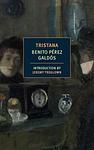
8. Tristana
The novel explores the life of a young woman named Tristana, who is caught in a struggle between societal expectations and her desire for independence in 19th-century Spain. After the death of her parents, she becomes the ward of Don Lope, a man who takes advantage of her vulnerability. As Tristana matures, she yearns for personal freedom and intellectual growth, aspiring to break free from the constraints imposed by her guardian and society. Her journey is marked by a complex relationship with Don Lope and a romantic involvement with a young artist named Horacio, through which she grapples with issues of love, autonomy, and the pursuit of her own identity.
-
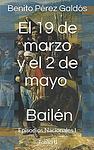
9. El 19 De Marzo Y El 2 De Mayo
Episodios Nacionales
The book explores the tumultuous events surrounding the Spanish War of Independence, focusing on the uprisings against French occupation in Madrid on March 19 and May 2, 1808. Through vivid storytelling and rich historical detail, it captures the spirit of resistance and the complex interplay of political and social forces during this period. The narrative delves into the lives of ordinary citizens and key historical figures, illustrating the courage and determination that fueled the fight for national sovereignty and identity amidst chaos and conflict.
-
10. Trafalgar
Episodios Nacionales
Set against the backdrop of the historic Battle of Trafalgar, the novel follows the experiences of a young Spanish boy, Gabriel, who becomes embroiled in the naval conflict between the British Royal Navy and the combined fleets of France and Spain. Through Gabriel's eyes, the reader witnesses the chaos and heroism of battle, as well as the personal stories of those involved, highlighting themes of patriotism, courage, and the harsh realities of war. The narrative vividly captures the tension and drama of the battle while providing a poignant reflection on the impact of war on individuals and nations.
-
11. La Batalla De Los Arapiles
Episodios Nacionales, Segunda Serie
The novel is set during the Peninsular War and follows the experiences of Gabriel de Araceli, a young Spanish soldier who becomes embroiled in the tumultuous events surrounding the Battle of Salamanca. Through Gabriel's eyes, the narrative explores themes of patriotism, love, and the chaos of war, as he navigates personal and political challenges. The story vividly depicts the impact of the conflict on both individuals and the broader Spanish society, capturing the spirit and struggles of the era with rich historical detail and emotional depth.
-
12. Juan Martín, El Empecinado
Episodios Nacionales
The novel follows the life and exploits of Juan Martín Díez, known as "El Empecinado," a legendary figure in Spanish history renowned for his role in the Peninsular War against Napoleonic forces. Set in the early 19th century, the story captures his transformation from a humble peasant into a formidable guerrilla leader, highlighting his courage, strategic acumen, and unwavering commitment to the Spanish cause. Through vivid depictions of battles and personal struggles, the narrative explores themes of patriotism, resilience, and the complexities of heroism, offering a rich portrayal of a tumultuous period in Spain's past.
-
13. Cádiz
Set during the tumultuous period of the Peninsular War, the novel weaves a tale of love, intrigue, and political upheaval in the Spanish city of Cádiz. The story follows the lives of several characters whose personal dramas unfold against the backdrop of the city's resistance against Napoleonic forces. Through their experiences, the narrative explores themes of patriotism, sacrifice, and the struggle for freedom, while also delving into the complexities of human relationships and the impact of war on society. The vibrant depiction of Cádiz and its resilient inhabitants highlights the spirit of defiance and hope in the face of adversity.
-
14. Gerona
Los Sitios de Zaragoza
The novel is set during the Peninsular War and vividly depicts the harrowing siege of the city of Gerona by Napoleonic forces. Through the eyes of various characters, the narrative explores themes of heroism, sacrifice, and the resilience of the human spirit in the face of overwhelming adversity. The story captures the struggles and determination of the city's defenders, highlighting both the brutality of war and the profound sense of community and patriotism that emerges amidst the chaos. The novel serves as a poignant reflection on the costs of war and the enduring strength of national identity.
-
15. Zaragoza
The novel is set during the Peninsular War and vividly portrays the siege of Zaragoza, capturing the resilience and spirit of its inhabitants as they endure the brutal conflict. Through a tapestry of characters, the story delves into themes of heroism, sacrifice, and the impact of war on both individuals and communities. The narrative intertwines personal stories with historical events, offering a poignant exploration of human endurance and the complexities of national identity amidst the backdrop of a city under siege.
-
16. Electra
Drama en cinco actos
The book is a dramatic exploration of social and political themes set in early 20th-century Spain, focusing on the life of a young woman named Electra. The narrative delves into her struggles for personal freedom and autonomy against the backdrop of a conservative society dominated by religious and patriarchal influences. Through Electra's journey, the story critiques the oppressive structures and advocates for progressive change, highlighting the tension between tradition and modernity. The characters and their interactions serve as a microcosm of the broader societal conflicts, making the story both a personal and political commentary.
-
17. Napoleón En Chamartín
Episodios Nacionales, Segunda Serie, Volumen 2
The novel is set during the Peninsular War and follows the experiences of Gabriel de Araceli, a young man who becomes embroiled in the tumultuous events surrounding Napoleon's invasion of Spain. As Gabriel navigates the complexities of war-torn Madrid, he encounters a variety of characters, each representing different facets of Spanish society during this period of upheaval. Through his eyes, the narrative explores themes of patriotism, loyalty, and the struggle for national identity, all while capturing the chaos and uncertainty of a country under foreign occupation.
-
18. Bailén
The novel is set during the Peninsular War and follows the events leading up to the Battle of Bailén, a significant Spanish victory against Napoleon's forces. It explores the lives of various characters from different social backgrounds, highlighting their personal struggles and transformations amidst the turmoil of war. Through vivid descriptions and intricate character development, the narrative delves into themes of patriotism, sacrifice, and the impact of historical events on individual lives, capturing the spirit and resilience of the Spanish people during a pivotal moment in their history.
-
19. La Corte De Carlos Iv
Episodios Nacionales
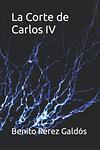
The novel explores the political and social dynamics of Spain during the reign of King Carlos IV, focusing on the intrigues and power struggles within the royal court. Through a vivid portrayal of historical events and fictional characters, it delves into themes of ambition, loyalty, and betrayal, capturing the complexities of the era. The narrative intertwines personal stories with broader historical developments, offering a rich tapestry of 19th-century Spanish life and the challenges faced by those navigating the shifting tides of power and influence.
-
20. Marianela
Set in 19th-century Spain, this poignant tale explores themes of beauty, love, and societal perception through the life of a young, impoverished girl who serves as a guide to a blind, aristocratic man. As they navigate the complexities of their friendship, the story delves into the contrast between inner and outer beauty, challenging the characters' understanding of love and acceptance. The narrative unfolds with a mix of hope and tragedy, ultimately questioning the true nature of happiness and the societal norms that define it.
Purchase from Bookshop.org