Edmund Spenser
Edmund Spenser was an English poet best known for his epic poem 'The Faerie Queene'. He is considered one of the greatest poets of the English Renaissance.
Books
This list of books are ONLY the books that have been ranked on the lists that are aggregated on this site. This is not a comprehensive list of all books by this author.
-
1. The Faerie Queene
Disposed into Twelve Books, Fashioning XII Moral Virtues
"The Faerie Queene" is an epic allegorical poem that follows several medieval knights, representing various virtues, as they navigate quests assigned by the Faerie Queene. The narrative is deeply imbued with Christian symbolism and Elizabethan political allegory. Each book in the series focuses on a particular virtue and the knight who embodies it, presenting a complex, interconnected tapestry of moral, ethical, and political conduct. The poem is renowned for its intricate allegories, rich characterization, and the creation of a unique verse form known as the Spenserian stanza.
The 1279th Greatest Book of All TimePurchase from Bookshop.org or Amazon -
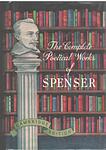
2. The Poetical Works Of Edmund Spenser
This collection encompasses the lyrical and narrative poetry of a prominent English Renaissance poet, known for his rich imagination and mastery of language. It includes his most famous epic, a fantastical allegory celebrating the Tudor dynasty and Elizabeth I, as well as a series of pastoral poems that blend classical themes with English folklore. The poet's work is characterized by its intricate verse forms, vivid imagery, and the use of archaic language, reflecting his deep admiration for medieval chivalry and his desire to create a distinctly English poetic tradition.
The 7216th Greatest Book of All TimePurchase from Amazon -
3. Complaints, Containing Sundrie Small Poems Of The World's Vanitie

This collection of poems delves into the fleeting nature of worldly pursuits and the inherent vanity of human endeavors. Through a series of poignant and reflective verses, the poet explores themes of transience, moral decay, and the inevitable passage of time, urging readers to seek deeper, more meaningful pursuits beyond the superficial allure of earthly pleasures. The work serves as a contemplative meditation on the human condition, blending rich allegory with vivid imagery to convey its timeless message.