Camilo José Cela
Camilo José Cela was a Spanish novelist, short story writer, and essayist associated with the Generation of '36 movement. He won the Nobel Prize in Literature in 1989 for his rich and intensive prose, which with restrained compassion forms a challenging vision of man's vulnerability.
Books
This list of books are ONLY the books that have been ranked on the lists that are aggregated on this site. This is not a comprehensive list of all books by this author.
-
1. The Hive
La Colmena
"The Hive" is a novel set in post-Civil War Spain, during the harsh years of Madrid's postwar recovery. It provides a gritty and realistic portrayal of the struggles faced by ordinary citizens in a society marked by deprivation and repression. The narrative is non-linear and fragmented, featuring a vast array of characters from various social classes, whose lives intertwine in a depiction of the bleakness and despair of the time. The book was initially banned in Spain due to its critical view of Franco's regime.
The 692nd Greatest Book of All TimePurchase from Bookshop.org or Amazon -
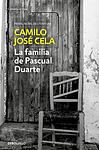
2. The Family Of Pascual Duarte
The book is a harrowing narrative of a man from rural Spain, chronicling his life marked by violence and hardship in the early 20th century. Written as a series of letters from prison, the protagonist recounts his tumultuous journey through a series of misfortunes, familial strife, and brutal personal impulses that lead him down a path of murder and eventual execution. The novel delves into themes of fate, existential despair, and the brutal realism of peasant life, offering a stark portrayal of a man struggling against the inexorable pull of his own tragic nature.
The 2565th Greatest Book of All TimePurchase from Bookshop.org or Amazon -
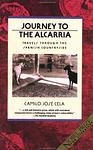
3. Journey to the Alcarria
Travels Through the Spanish Countryside
"Journey to the Alcarria" is a travel literature piece that takes the reader on a journey through the Alcarria region in Spain. The protagonist, a solitary traveler, explores the landscape, culture, and people of this region, offering detailed descriptions and observations. The narrative captures the essence of Spain's post-war period, revealing the harsh realities of rural life and the resilience of its people. The book is both a physical journey through a specific place and a metaphorical journey into the human condition.
The 3323rd Greatest Book of All TimePurchase from Bookshop.org or Amazon -
4. Mazurka For Two Dead Men
Set in the rugged landscape of Galicia in the early 20th century, the novel weaves a tale of vengeance and passion through the lives of the inhabitants of a small village. The narrative centers around the murder of a nationalist and the subsequent revenge killing of a local musician, exploring the impact of these deaths on their families and the community. Rich in folklore and the harsh realities of rural life, the story delves into themes of tradition, violence, and the haunting presence of history, all while capturing the deep-seated emotions and complexities of its characters.
The 12326th Greatest Book of All TimePurchase from Bookshop.org or Amazon -
5. Del Miño Al Bidasoa
Notas de un vagabundaje
This travelogue offers a vivid and reflective journey through the diverse landscapes and cultures of northern Spain, capturing the essence of the region's rich history and vibrant traditions. The narrative unfolds as a series of observations and encounters, blending the author's keen eye for detail with his philosophical musings on life and human nature. As the journey progresses from the banks of the Miño River to the Bidasoa, readers are treated to a tapestry of local customs, folklore, and the unique character of the people who inhabit these lands, all conveyed with a touch of humor and a deep appreciation for the beauty of the Spanish countryside.
-
6. Christ Versus Arizona

Set against the backdrop of the American Southwest, this narrative weaves a tapestry of interconnected stories that delve into the human condition, exploring themes of morality, redemption, and the eternal struggle between good and evil. Through a series of vignettes, the reader is introduced to a diverse cast of characters, each grappling with their own demons and desires, as they navigate the harsh realities of life in a land marked by stark contrasts and unforgiving landscapes. The narrative's rich, evocative prose paints a vivid picture of a world where the sacred and the profane coexist, challenging the reader to ponder the complexities of faith, identity, and the inexorable passage of time.
Purchase from Bookshop.org -
7. Улей
A mosaic of interlocking vignettes set in post–Civil War Madrid, the novel follows dozens of characters—shopkeepers, prostitutes, intellectuals, clerks and ex-soldiers—over a few days as their lives brush against one another in cramped cafés, boarding houses and streets; through brief, unsparing scenes it reveals hunger, hypocrisy, loneliness and small acts of tenderness, creating a crowded, claustrophobic portrait of a city under repression and the fragile human efforts to survive with dignity.
Purchase from Bookshop.org