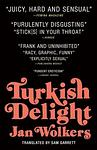
Jan Wolkers
Jan Wolkers was a Dutch author, sculptor, and painter. He is considered one of the 'Great Four' writers of post-World War II Dutch literature. His work often dealt with themes of sexuality, death, and existentialism.
Books
This list of books are ONLY the books that have been ranked on the lists that are aggregated on this site. This is not a comprehensive list of all books by this author.
-
1. Terug naar Oegstgeest
The book is a reflective and autobiographical novel that delves into the protagonist's childhood and formative years in the Dutch village of Oegstgeest. Through a series of vivid memories and introspective passages, the narrative explores themes of family dynamics, religious upbringing, and the search for identity. The protagonist grapples with the constraints of his conservative environment while yearning for freedom and self-expression. The novel paints a poignant picture of the tension between the past and the present, capturing the bittersweet nature of nostalgia and the complexities of personal growth.
The 1858th Greatest Book of All TimePurchase from Amazon -
2. Turkish Delight
The 4538th Greatest Book of All TimePurchase from Amazon -
3. Kort Amerikaans

Set in the aftermath of World War II, this poignant narrative explores the tumultuous journey of a young man grappling with the complexities of love, loss, and identity. As he navigates the remnants of a war-torn society, he is confronted with the harsh realities of life, including the haunting memories of his past and the fleeting nature of human connections. Through a series of intense and often raw experiences, the protagonist's internal struggles are laid bare, offering a profound reflection on the resilience of the human spirit amidst the chaos of a changing world.
Purchase from Bookshop.org -
4. Het Vroege Werk
A compact collection of early writings that crackle with raw, autobiographical energy, tracing youthful desire and rebellion through blunt, image-rich prose; the pieces move between sensual awakenings and stark encounters with nature, death and social constraint, juxtaposing tenderness and violence to sketch a formative, uncompromising vision of identity and belonging.