Christopher Alexander
Christopher Alexander was a British-American architect and design theorist, known for his work on the nature of human-centered design. He authored several influential books, including 'A Pattern Language' and 'The Timeless Way of Building.' His work has had a significant impact on architecture, urban design, and software development.
Books
This list of books are ONLY the books that have been ranked on the lists that are aggregated on this site. This is not a comprehensive list of all books by this author.
-
1. A Pattern Language
Towns, Buildings, Construction
This book is a seminal work in the field of architecture and urban design, presenting a holistic system for designing spaces at every scale, from regions and towns to individual buildings and rooms. It introduces 253 interrelated patterns that address the social, psychological, and practical needs of inhabitants, each pattern describing a problem and offering a core solution. The work emphasizes the importance of creating environments that are human-centered, harmonious, and adaptable, encouraging readers to apply these timeless patterns to create spaces that are aesthetically pleasing, functional, and inherently satisfying to live and work in.
The 4223rd Greatest Book of All TimePurchase from Bookshop.org or Amazon -
2. The Timeless Way Of Building
This influential work delves into the essence of creating spaces that resonate with life and harmony, emphasizing the importance of patterns in architecture and urban design. It explores the concept of a "timeless way" of building, where the focus is on understanding and applying patterns that naturally emerge from human interaction with the environment. The book advocates for a holistic approach to design, where the built environment is seen as a living entity that evolves organically, fostering a deep connection between people and their surroundings. Through this lens, it challenges conventional architectural practices and inspires a more intuitive, pattern-based approach to creating spaces that truly feel alive.
The 17175th Greatest Book of All Time -
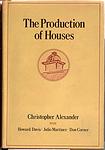
3. The Production Of Houses
The book presents a comprehensive approach to housing design and construction, emphasizing the importance of creating living environments that are both functional and harmonious. It introduces a systematic methodology for designing houses, focusing on the collaboration between architects, builders, and residents to ensure that the final product meets the needs and desires of its inhabitants. Through detailed case studies and practical examples, the book illustrates how to apply these principles to create homes that are not only aesthetically pleasing but also deeply connected to their surroundings and the people who live in them.
-
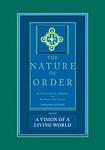
4. The Nature Of Order
An Essay on the Art of Building and the Nature of the Universe
This comprehensive work delves into the intricate relationship between architecture, nature, and human life, proposing a new paradigm for understanding the built environment. It explores the concept of "living structure," emphasizing the importance of harmony, beauty, and order in design. Through a blend of philosophical insights and practical examples, the book challenges conventional architectural practices, advocating for a more holistic approach that respects the natural world and enhances human well-being. It invites readers to reconsider the way spaces are created, urging a return to intuitive, organic methods that resonate with the essence of life itself.
-
5. The Battle For The Life And Beauty Of The Earth
A Struggle Between World-Systems

This insightful work delves into the intricate relationship between architecture, community, and the natural world, advocating for a harmonious approach to urban planning and design. Through a series of compelling narratives and case studies, it challenges conventional architectural practices, emphasizing the importance of creating spaces that nurture human well-being and reflect the inherent beauty of the earth. The book calls for a transformative shift in how we perceive and construct our environments, urging a return to principles that prioritize life, sustainability, and the interconnectedness of all living things.
-
6. A City Is Not A Tree
This thought-provoking work challenges conventional urban planning by critiquing the simplistic, hierarchical structures often used to design cities. It argues for a more organic approach, emphasizing the interconnectedness and complexity of urban environments. The book advocates for a design philosophy that mirrors the intricate, overlapping networks found in natural ecosystems, proposing that cities should be seen as living organisms rather than rigid, tree-like structures. Through this lens, it encourages planners to embrace the dynamic, fluid nature of urban life, fostering environments that are adaptable, resilient, and reflective of the diverse needs of their inhabitants.