Ian MacDonald
Ian MacDonald was a British music critic and author, best known for his book 'Revolution in the Head,' which analyzes the music of The Beatles.
Books
This list of books are ONLY the books that have been ranked on the lists that are aggregated on this site. This is not a comprehensive list of all books by this author.
-
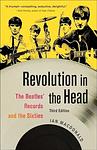
1. Revolution in the Head
The Beatles' Records and the Sixties
This book provides a comprehensive analysis of the Beatles' music and its cultural impact during the 1960s. It delves into the creation and significance of each track, examining the technical innovations, lyrical content, and the sociopolitical context of the era. The work offers a song-by-song breakdown, exploring how the band's evolving creative dynamics and the tumultuous decade they helped define were reflected in their recordings. It is both a critical study of the band's discography and a reflection on the revolutionary spirit of the sixties, highlighting how the group's work was intertwined with the broader changes in music, politics, and society.
The 5847th Greatest Book of All TimePurchase from Bookshop.org or Amazon -
2. The People's Music
Selected Journalism

This insightful exploration delves into the transformative power of music, tracing its evolution from the post-war era to the dawn of the 21st century. Through a series of essays, it examines how popular music has mirrored societal changes, influenced cultural movements, and shaped individual identities. By analyzing iconic songs and artists, the narrative reveals the deep connection between music and the human experience, offering a profound reflection on how melodies and lyrics have become a universal language that transcends boundaries and unites people across generations.
-
3. The New Shostakovitch
A provocative reassessment of Shostakovich that portrays the composer as a covert dissident, reading his symphonies and quartets as coded chronicles of life under Stalin. Blending biography, political history, and close musical analysis, it argues that irony, satire, and memorial lament thread through his oeuvre as acts of resistance, while also tracing the personal costs of survival in a terror state. Though controversial for its speculative leaps, it offers a vivid, emotionally charged narrative that reframes the music as a moral testimony of the Soviet century.