Christopher Clark
Christopher Clark is an Australian historian and professor of modern history. He is best known for his works on Prussian and German history, including the acclaimed book 'The Sleepwalkers: How Europe Went to War in 1914'.
Books
This list of books are ONLY the books that have been ranked on the lists that are aggregated on this site. This is not a comprehensive list of all books by this author.
-
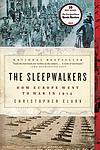
1. The Sleepwalkers
How Europe Went to War in 1914
"The Sleepwalkers" by Christopher Clark is a comprehensive account of the events leading up to World War I. The book argues that the war was not caused by any one nation or individual, but rather a combination of factors including nationalism, alliances, and miscommunication. Clark explores the complex political landscape of Europe in the early 20th century and the actions of key players such as Kaiser Wilhelm II and Archduke Franz Ferdinand. The book provides a detailed analysis of the events leading up to the war and challenges traditional narratives of blame and responsibility.
The 11663rd Greatest Book of All TimePurchase from Bookshop.org or Amazon -
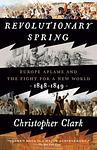
2. Revolutionary Spring
Fighting for a New World 1848-1849
Set against the backdrop of the tumultuous year of 1848, this historical narrative delves into the widespread revolutionary movements that swept across Europe, challenging the old order and advocating for political and social change. The book intricately weaves together the stories of various uprisings, examining the motivations, aspirations, and outcomes of the revolutionaries who sought to reshape their societies. Through a detailed exploration of the interconnected events and the diverse cast of characters involved, it offers a comprehensive understanding of a pivotal moment in European history that set the stage for modern political ideologies and movements.
The 17166th Greatest Book of All TimePurchase from Bookshop.org or Amazon -
3. Iron Kingdom
The Rise and Downfall of Prussia, 1600-1947

This comprehensive historical narrative delves into the rise and fall of Prussia, exploring its transformation from a modest duchy to a formidable European power. The book intricately examines the socio-political and military developments that defined Prussia's unique identity, highlighting its influence on German unification and European geopolitics. Through a detailed analysis of key figures, events, and cultural shifts, the narrative captures the complexities of Prussian society and its enduring legacy in shaping modern Europe.
Purchase from Bookshop.org -
4. Preußen. Aufstieg Und Niedergang. 1600 1947
Aufstieg und Niedergang, 1600–1947
A sweeping political and social history that traces the transformation of a small duchy into a dominant European power and its eventual collapse, examining how military tradition, efficient bureaucracy, landed aristocracy and modernizing impulses shaped its governance and society from the 17th century through 1947. The narrative links institutional development, cultural attitudes and political choices—including state-building, nationalism and imperial ambition—to major events such as German unification and the two world wars. It emphasizes continuities and contradictions in Prussia’s legacy, showing how strengths that enabled its rise also contributed to authoritarianism and downfall.
-
5. Slaapwandelaars
How Europe Went to War in 1914
Een diepgravende, op uitgebreide archiefbronnen gebaseerde studie van de jaren voorafgaand aan 1914 die laat zien hoe Europese grootmachten — door nationalisme, alliantiedwang, diplomatieke misverstanden en bureaucratische inertie — geleidelijk en onbedoeld naar een grootschalig conflict afglijden; de auteur weerlegt eenvoudige schuldtoewijzingen en toont hoe een complex web van intenties, miscommunicatie en toevalligheden samenwerkte om de Eerste Wereldoorlog te ontketenen.
Purchase from Bookshop.org -
6. Europese Lente
Een beknopte, breed opgezette geschiedenis van de revolutiegolf van 1848 in Europa: het onderzoekt hoe liberale, nationale en sociale verlangens in uiteenlopende landen samenvielen, hoe gebeurtenissen elkaar beïnvloedden en waarom de uitkomsten – van hervorming tot brute repressie – zo verschillend waren; de auteur benadrukt de onderlinge verbondenheid en de contingentheid van de gebeurtenissen en laat zien hoe 1848 bijdroeg aan de vorming van moderne politieke culturen en instituties.