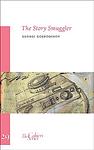
Georgi Gospodinov
Georgi Gospodinov is a Bulgarian writer, poet, and playwright, known for his novels, short stories, and poetry. His works often explore themes of memory, history, and the passage of time.
Books
This list of books are ONLY the books that have been ranked on the lists that are aggregated on this site. This is not a comprehensive list of all books by this author.
-
1. Natural Novel
"Natural Novel" is a thought-provoking and imaginative work that seamlessly weaves together various narratives and perspectives. The book explores the concept of storytelling and its power to shape our understanding of reality. Through a blend of fiction, memoir, and philosophical musings, the author delves into the complexities of human existence, the interconnectedness of life, and the search for meaning in a world filled with both beauty and tragedy. With its poetic prose and profound insights, "Natural Novel" invites readers to contemplate the boundaries between truth and fiction, ultimately challenging conventional notions of storytelling.
The 3161st Greatest Book of All TimePurchase from Amazon -
2. Time Shelter
The novel explores the concept of time as a refuge, where a mysterious clinic offers an escape into meticulously recreated past decades for patients suffering from Alzheimer's and other memory-related conditions. As the clinic's popularity grows, it begins to attract healthy individuals seeking solace from the uncertainties of modern life, leading to unexpected societal consequences. The narrative delves into themes of memory, identity, and the human desire to find comfort in nostalgia, while questioning the implications of living in a constructed past. Through a blend of poignant storytelling and philosophical reflection, the book examines the complexities of time and the impact of collective memory on personal and national identity.
The 4579th Greatest Book of All TimePurchase from Bookshop.org or Amazon -
3. Физика на тъгата

The novel is a contemplative exploration of memory, time, and the human condition, weaving together personal and collective histories. It follows a narrator who delves into his own past and the memories of others, using the mythical figure of the Minotaur as a metaphor for isolation and the labyrinthine nature of human experience. Through fragmented narratives and reflections, the book examines themes of nostalgia, loss, and the search for meaning in a world marked by both beauty and melancholy.
-
4. The Story Smuggler
Set against the backdrop of a politically turbulent Eastern Europe, this narrative follows a young boy who discovers the power of storytelling as a means of survival and resistance. As he navigates the complexities of a repressive regime, he becomes a "story smuggler," using tales to preserve history, culture, and identity. Through his eyes, readers are taken on a journey that explores the intersection of personal and collective memory, highlighting the resilience of the human spirit in the face of adversity.
-
5. Fizyka Smutku
This novel intricately weaves a tapestry of memories, myths, and existential musings, exploring the labyrinthine corridors of human consciousness. It delves into the depths of collective and personal histories, using the myth of the Minotaur as a metaphor for the complexities of identity and the passage of time. Through a series of fragmented narratives, the story traverses various epochs and perspectives, capturing the essence of melancholy and the universal quest for understanding and connection in a world marked by loss and longing.