Bruce D. Perry
Bruce D. Perry is an American psychiatrist and neuroscientist, known for his work on the impact of trauma and neglect on the developing brain. He is the Senior Fellow of The ChildTrauma Academy and an adjunct professor of psychiatry and behavioral sciences at the Feinberg School of Medicine in Chicago.
Books
This list of books are ONLY the books that have been ranked on the lists that are aggregated on this site. This is not a comprehensive list of all books by this author.
-
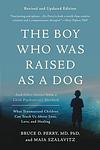
1. The Boy Who Was Raised As A Dog
And Other Stories from a Child Psychiatrist's Notebook - What Traumatized Children Can Teach Us About Loss, Love, and Healing
This book delves into the complex world of child psychiatry through a series of poignant case studies, each shedding light on the impact of trauma on the developing brain. The narrative explores the remarkable resilience of children and the ability of the right therapeutic interventions to heal psychological wounds. Through the lens of a seasoned child psychiatrist, readers gain insights into the science of human experience, the importance of nurturing relationships, and the transformative power of empathy and understanding in overcoming the most harrowing childhood experiences.
The 17173rd Greatest Book of All Time -
2. What Happened To You?
Conversations on Trauma, Resilience, and Healing
The book explores the profound impact of early childhood experiences on brain development and behavior, emphasizing the importance of understanding trauma and its effects. Through a series of conversations, it delves into how past experiences shape our responses and interactions, advocating for a shift from asking "What's wrong with you?" to "What happened to you?" This perspective encourages empathy and healing by recognizing the underlying causes of behavior, highlighting the resilience of the human spirit and the potential for recovery and growth through supportive relationships and environments.
-
3. Dc Comics
 Purchase from Bookshop.org
 -
4. Born For Love
Why Empathy Is Essential — and Endangered
This book explains that humans are biologically wired for connection and empathy, showing—through neuroscience, case studies, and developmental research—how early relationships shape the brain and emotional life; it argues that warmth, attuned caregiving, and safe social environments are essential for healthy development, while neglect, stress, and modern social trends can blunt empathy and promote behavioral and mental-health problems, and it offers practical recommendations for parents, educators, and policymakers to nurture empathy and resilience in children and communities.
Purchase from Bookshop.org