Judith Wright
Judith Wright was an Australian poet, environmentalist, and campaigner for Aboriginal land rights. She is well-known for her poetry that often explores themes of nature, identity, and social justice.
Books
This list of books are ONLY the books that have been ranked on the lists that are aggregated on this site. This is not a comprehensive list of all books by this author.
-
1. Poems Of Judith Wright
This collection encapsulates the lyrical and poignant work of one of Australia's most revered poets, offering a profound exploration of the human condition, the natural world, and the intricate connections between them. The poems delve into themes of love, loss, and the quest for justice, reflecting the poet's deep engagement with the landscape, history, and social issues of her homeland. With a keen eye for detail and a masterful use of language, the poet crafts verses that are both intimate and universal, inviting readers to ponder their own place in the world and the impact of their actions on the environment and society.
The 7657th Greatest Book of All TimePurchase from Amazon -
2. Transformed!
The Science of Spectacular Living

In this insightful guide, readers are taken on a transformative journey towards self-discovery and personal growth. The narrative delves into the intricacies of human behavior, emphasizing the importance of understanding one's emotions and motivations to foster meaningful change. Through a blend of psychological insights and practical exercises, the book encourages individuals to confront their inner barriers, embrace their true potential, and cultivate a more fulfilling and authentic life. It serves as a beacon for those seeking to break free from limiting patterns and embrace a path of continuous self-improvement.
-
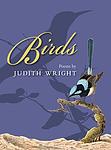
3. Birds
A lyrical collection of poems that contemplates native birdlife and the Australian landscape, using vivid imagery and musical cadence to explore freedom, belonging, memory, and mortality. Through attentive portraits of flight, song, and seasonal change, it reflects on the intimate ties between people and place and hints at an ethic of care for the natural world.