William Poundstone
William Poundstone is an American author known for his books on a variety of subjects including science, mathematics, and popular culture. He has written several well-received books such as 'Fortune's Formula' and 'Priceless: The Myth of Fair Value (and How to Take Advantage of It)'.
Books
This list of books are ONLY the books that have been ranked on the lists that are aggregated on this site. This is not a comprehensive list of all books by this author.
-
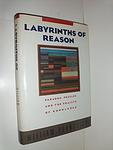
1. Labyrinths Of Reason
Paradox, Puzzles, and the Frailty of Knowledge
"Labyrinths of Reason" delves into the complex and often paradoxical world of logic, mathematics, and philosophy, exploring a wide range of puzzles, paradoxes, and thought experiments that challenge our understanding of reality and rationality. The book examines the limitations of human knowledge and the fallibility of logical reasoning, discussing topics such as decision theory, probability, and the nature of beliefs and contradictions. Through engaging and accessible analysis, it invites readers to contemplate the profound questions and inherent uncertainties that lie at the heart of both science and philosophy.
The 17173rd Greatest Book of All TimePurchase from Amazon -
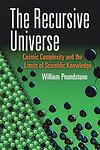
2. The Recursive Universe
Cosmic Complexity and the Limits of Scientific Knowledge
This thought-provoking exploration delves into the fascinating intersection of science, mathematics, and philosophy, examining how simple rules can lead to complex and unpredictable outcomes. Through the lens of cellular automata, the narrative investigates the nature of the universe, chaos theory, and the potential for a deterministic yet unpredictable reality. By drawing parallels between these mathematical models and the real world, it challenges readers to reconsider their understanding of order, randomness, and the very fabric of existence.
-
3. Priceless
The Myth of Fair Value (and How to Take Advantage of It)

A lively tour of the psychology behind prices, showing how our sense of value is shaped by context, comparisons, and subtle cues rather than objective worth. Drawing on experiments in behavioral economics and psychophysics, it explains anchoring, 9-ending effects, decoy options, and other tactics used by marketers, retailers, and negotiators to steer choices. Through case studies from shopping, menus, legal damages, and salary talks, it reveals why we overpay, how numbers frame decisions, and what strategies can help us resist manipulation. The result is a toolkit for recognizing and countering pricing games in everyday life.
Purchase from Bookshop.org -
4. Are You Smart Enough To Work At Google?
Trick Questions, Zen-like Riddles, and Misleading Interview Questions—and How to Answer Them
A lively investigation of the brainteasers, puzzles, and unconventional interview tactics used by top tech companies to evaluate creativity and problem‑solving, centered on Google's hiring practices; it traces the historical roots of IQ testing and puzzle questions, recounts memorable interview stories, analyzes why such methods gained popularity and why many firms later shifted to more structured, data‑driven assessments, and offers practical guidance for approaching tricky interview problems while critiquing the limits and biases of puzzle‑based hiring.
Purchase from Bookshop.org