Tim Wu
Tim Wu is a professor at Columbia Law School, known for his work on antitrust policy and internet freedom. He coined the term 'net neutrality' and has written several influential books on technology and policy.
Books
This list of books are ONLY the books that have been ranked on the lists that are aggregated on this site. This is not a comprehensive list of all books by this author.
-
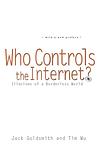
1. Who Controls The Internet?
Illusions of a Borderless World
This insightful book delves into the complex and evolving dynamics of internet governance, exploring the tension between the borderless nature of the internet and the traditional sovereignty of nation-states. The authors argue that while the internet was initially perceived as a global, unregulated space, governments have increasingly asserted control over online activities within their jurisdictions. Through a series of case studies and historical analysis, the book illustrates how legal, political, and cultural forces shape the internet, challenging the notion of a universally free and open digital world.
The 10845th Greatest Book of All TimePurchase from Bookshop.org or Amazon -
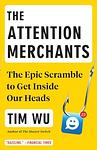
2. The Attention Merchants
The Epic Scramble to Get Inside Our Heads
In this insightful exploration of the history and evolution of advertising, the book delves into how businesses and media have continuously sought to capture and commodify human attention. It traces the journey from the early days of print advertising to the modern digital age, where attention has become a highly coveted currency. The narrative highlights the strategies employed by various industries to engage audiences, often blurring the lines between entertainment and marketing, and raises critical questions about the impact of these practices on society and individual autonomy.
The 11803rd Greatest Book of All TimePurchase from Amazon -
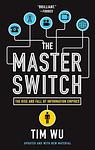
3. The Master Switch
The Rise and Fall of Information Empires
The book explores the cyclical nature of information industries, detailing how they often start with a period of open innovation and competition, only to become dominated by monopolistic entities that stifle further innovation. Through historical case studies of industries like telephony, radio, television, and the internet, it illustrates the recurring pattern of consolidation and control. The narrative underscores the tension between open and closed systems, raising important questions about the future of information and communication technologies in the face of increasing corporate power.
The 17166th Greatest Book of All TimePurchase from Bookshop.org or Amazon