Sam Harris
Sam Harris is an American author, philosopher, neuroscientist, and podcast host known for his writings on religion, ethics, and free will. He is a prominent figure in the New Atheism movement and has authored several books, including 'The End of Faith' and 'Waking Up'.
Books
This list of books are ONLY the books that have been ranked on the lists that are aggregated on this site. This is not a comprehensive list of all books by this author.
-
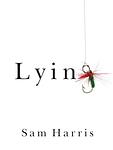
1. Lying
The Science of Deception
The book explores the concept of lying and its implications on personal and societal levels. It argues that even seemingly harmless white lies can erode trust and damage relationships. Through a philosophical and psychological lens, the author advocates for radical honesty, suggesting that truthfulness is a moral imperative that leads to more authentic and meaningful interactions. The book challenges readers to reconsider the role of honesty in their lives and the potential benefits of living without deception.
The 17175th Greatest Book of All TimePurchase from Amazon -
2. Islam And The Future Of Tolerance
A Dialogue
The book presents a dialogue between a neuroscientist and a former Islamist, exploring the complexities of Islam and its relationship with modernity and tolerance. Through their conversation, they delve into the challenges of reforming Islamic practices and beliefs to align with contemporary values, while addressing misconceptions and stereotypes about the religion. The authors aim to foster a nuanced understanding of Islam, advocating for a critical yet respectful discourse that encourages reform and coexistence without compromising on the principles of free speech and human rights.
-
3. The Moral Landscape
How Science Can Determine Human Values
The book explores the idea that science can and should be an authority on moral issues, challenging the traditional separation between science and human values. It argues that moral truths exist and can be understood through empirical means, suggesting that well-being can be objectively measured and that moral decisions can be guided by scientific understanding. The author contends that moral relativism is flawed and that a scientific approach to ethics can lead to a more rational and beneficial society. Through this framework, the book seeks to redefine the relationship between science and morality, advocating for a world where human flourishing is the ultimate moral goal.
-
4. The End Of Faith
Religion, Terror, and the Future of Reason
The book critically examines the clash between religious faith and rational thought, arguing that religious beliefs often lead to violence and hinder progress. It explores how faith-based ideologies can perpetuate conflict and impede scientific and moral advancements. The author advocates for a more reasoned and evidence-based approach to ethics and public policy, emphasizing the need for a secular worldview to foster global peace and understanding. Through a blend of philosophical analysis and historical examples, the book challenges readers to reconsider the role of religion in modern society.
-
5. Letter To A Christian Nation
A Challenge to Faith
The book is a critical examination of religious beliefs, particularly focusing on Christianity in the United States. It addresses the conflicts between religious doctrines and scientific understanding, arguing for a more rational and evidence-based approach to morality and ethics. The author challenges the influence of religion on public policy and education, advocating for a secular society where reason and compassion guide human progress. Through direct and provocative arguments, the book seeks to engage believers and non-believers alike in a dialogue about the role of faith in the modern world.
-
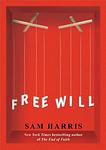
6. Free Will
A Book About Free Will
The book explores the concept of free will, arguing that it is an illusion and that human thoughts and actions are determined by prior causes beyond individual control. It delves into the implications of this perspective on morality, personal responsibility, and the justice system, suggesting that understanding the absence of free will can lead to greater compassion and a more rational approach to human behavior. Through a blend of neuroscience and philosophy, the book challenges traditional notions of autonomy and accountability, encouraging readers to reconsider how they perceive their own choices and the actions of others.
-
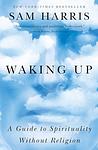
7. Waking Up
A Guide to Spirituality Without Religion
The book explores the intersection of spirituality and science, offering a secular approach to understanding consciousness and the pursuit of well-being. It delves into the nature of the self, the illusion of free will, and the potential for personal transformation through practices like meditation. The author argues for a rational approach to spirituality that is grounded in empirical evidence and neuroscience, challenging traditional religious beliefs while advocating for the benefits of mindfulness and self-awareness in achieving a fulfilling life.
-
8. Making Sense
The Guide to a Thinking World

In this thought-provoking exploration, the author delves into the complexities of human understanding, examining how we interpret the world through the lens of science, philosophy, and spirituality. By engaging in conversations with leading thinkers across various disciplines, the narrative challenges conventional wisdom and encourages readers to question their assumptions about reality, morality, and the nature of consciousness. Through a blend of rigorous analysis and accessible dialogue, the book seeks to illuminate the pathways to a more coherent and meaningful comprehension of our existence.
Purchase from Bookshop.org -
9. Het Morele Landschap
How Science Can Determine Human Values
Argues that questions of right and wrong are empirical matters about the flourishing of conscious creatures and can, in principle, be answered by science; it proposes wellbeing as the foundation for morality, uses the metaphor of a “landscape” with peaks and valleys representing better and worse ways to flourish, rejects moral relativism and purely faith-based ethics, and urges the use of neuroscience, psychology, and social science to discover objective moral truths while acknowledging practical and philosophical complexities.